
Faster access to some newer medical devices. (Representative image) NEW DELHI: Patients in India could get faster access to some newer medical devices already approved in the European Union, with the government expanding its list of trusted foreign regulatory jurisdictions while also easing licensing requirements for manufacturers outsourcing sterilisation.The Health Ministry has amended the Medical Devices Rules, 2017 to include the European Union among jurisdictions recognised for waiver of clinical investigation requirements for eligible medical devices that do not have a predicate device in India. The list earlier included the US, UK, Australia, Canada and Japan.The change means eligible devices that have already received regulatory approval in the EU can potentially avoid a fresh clinical investigation in India, reducing the time and regulatory steps required before they can be made available to patients. The waiver remains subject to the conditions prescribed under the rules.The government said the move would reduce regulatory timelines for manufacturers and importers and facilitate faster availability of advanced medical technologies in India. The addition of the EU also brings India’s medical-device regulatory framework closer to international regulatory practices.Separately, manufacturers outsourcing sterilisation to a facility with a valid licence will no longer need a separate loan licence, reducing paperwork, compliance costs and delays. However, they will still have to print the sterilisation facility’s licence number on the device label, with six months to comply. The labelling requirement had drawn industry concerns over added compliance burden and possible export delays.Join conversationView All Comments →Share your thoughts in the commentsInsightfulAgreeDisagreeSkepticalConcerningPromisingWorth ReadingBig DevelopmentPost CommentBe respectful · TOI community guidelinesThe government has also introduced a standard fee schedule for testing and evaluation of medical devices. The new charges include Rs 5,000 for implantation tests, Rs 2,000 for sterility testing, Rs 1,000 for syringes and needles and Rs 3,000 for surgical sutures. Testing fees for condoms and intrauterine devices have been fixed at Rs 2,500 each.For tests not specified in the schedule, the charges will be decided by the concerned laboratory or medical device testing officer. The prescribed fees will automatically rise by 5% annually.The three changes are aimed at cutting regulatory duplication, making compliance costs more predictable and speeding up access to medical devices while retaining requirements for quality, safety and traceability. The sterilisation and testing-fee amendments were notified as the Medical Devices (Second Amendment) Rules, 2026.Get the latest India News and Live updates. Download the TOI app.About the AuthorAnuja JaiswalAnuja Jaiswal is a Senior Assistant Editor at The Times of India, with an impressive 18-year career in narrative journalism. She specializes in health and heritage reporting, expertly simplifying complex health information to make it engaging and understandable for readers. Her deep dives into heritage topics are well-researched, resulting in captivating narratives that resonate with her audience. Over the years, she has worked in Chandigarh, Chhattisgarh and West UP, gaining diverse on-ground experience that shapes her storytelling.Read MoreEnd of ArticleFollow Us On Social MediaVideosBihar BPSC Protest Explodes In Patna As Students Break Barricades, Police Use Water Cannons | WatchIndia Opens DRDO Missile Technologies To Defence Firms In Major Push For Indigenous ProductionXi-Modi Meeting In Delhi? China Prepares Massive Delegation As India-China Ties Show Fresh ThawExplained: Why Are Sugar Prices Rising In India Despite Record Sugarcane Production?Supreme Court Notice To 20 Rebel TMC MPs On Abhishek Banerjee’s Disqualification Plea’People Were Shot In The Head’: Sonam Wangchuk Seeks Inquiry Report Into 2025 Ladakh ViolenceAjeet Bharti EXCLUSIVE On ‘Reservation Hatao Andolan’, Harsh Dubey, CJP & His Criticism Of BJPTMC’s Abhishek Banerjee Moves Supreme Court Over Delay In Disqualification Of 20 Rebel TMC MPsTrump Pushes $103,265 H-1B Fee; 71% Indian Professionals Brace For Major Immigration BlowJaishankar Meets Putin In Moscow, India-Russia Trade Soars As Both Sides Target $100 Billion By 2030123Photostories5 iconic places in Maharashtra where Ganesh Chaturthi is more than a festivalChinese singer Liu Yu’s Manish Malhotra couture moment in Paris is proof that Indian craftsmanship needs no introduction10 baby girl names that sound modern but have ancient roots5 traditional Bengali sarees you probably haven’t heard ofFrom castor to coconut oil: Natural oils for faster beard growthTraitors 2: From Shalini Passi’s over Rs 2,000 crore family wealth to Mallika Sherawat’s Rs 170 crore fortune, here’s a look at the net worth of popular contestantsYour blood pressure could be rising because of these 7 everyday habits you may think are completely harmless7 simple ways to live every day like a holiday like Dua Lipa, despite working full-timeUrvashi Rautela makes a tricolour statement in a one-of-a-kind gown that took 3 months to createOptical illusion personality test: The object you spot first reveals the trait you’re probably in denial about123Hot PicksBPSC exam rowSugar priceNew Zealand social media banTrump tariffICSI CS june resultNEET UG 2026Sridhar VembuTrump’s SpaceXNEET PG 2026 admit cardTop TrendingBandra Parsi BungalowSuresh GowdaRupali ChakankarKarnataka Food Licence SuspensionAllahabad High CourtMumbai Airport DemolitionRam RahimDelhi Women AccidentDelhi Gurgaon RainMaharashtra Hill Tragedy

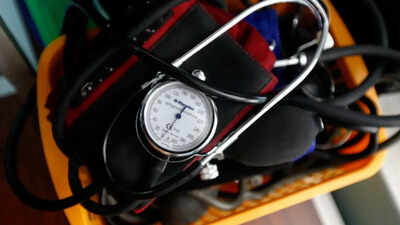
NEW DELHI: Patients in India could get faster access to some newer medical devices already approved in the European Union, with the government expanding its list of trusted foreign regulatory jurisdictions while also easing licensing requirements for manufacturers outsourcing sterilisation.The Health Ministry has amended the Medical Devices Rules, 2017 to include the European Union among jurisdictions recognised for waiver of clinical investigation requirements for eligible medical devices that do not have a predicate device in India. The list earlier included the US, UK, Australia, Canada and Japan.The change means eligible devices that have already received regulatory approval in the EU can potentially avoid a fresh clinical investigation in India, reducing the time and regulatory steps required before they can be made available to patients. The waiver remains subject to the conditions prescribed under the rules.The government said the move would reduce regulatory timelines for manufacturers and importers and facilitate faster availability of advanced medical technologies in India. The addition of the EU also brings India’s medical-device regulatory framework closer to international regulatory practices.Separately, manufacturers outsourcing sterilisation to a facility with a valid licence will no longer need a separate loan licence, reducing paperwork, compliance costs and delays. However, they will still have to print the sterilisation facility’s licence number on the device label, with six months to comply. The labelling requirement had drawn industry concerns over added compliance burden and possible export delays.
Share your thoughts in the comments
Be respectful · TOI community guidelines
The government has also introduced a standard fee schedule for testing and evaluation of medical devices. The new charges include Rs 5,000 for implantation tests, Rs 2,000 for sterility testing, Rs 1,000 for syringes and needles and Rs 3,000 for surgical sutures. Testing fees for condoms and intrauterine devices have been fixed at Rs 2,500 each.For tests not specified in the schedule, the charges will be decided by the concerned laboratory or medical device testing officer. The prescribed fees will automatically rise by 5% annually.The three changes are aimed at cutting regulatory duplication, making compliance costs more predictable and speeding up access to medical devices while retaining requirements for quality, safety and traceability. The sterilisation and testing-fee amendments were notified as the Medical Devices (Second Amendment) Rules, 2026.


