
An excavator undertakes the filling of Harahi pond in Darbhanga Supreme Court has agreed to intervene in a case of alleged encroachment of three iconic water bodies in the Bihar town following a petition by a civil society groupDarbhanga sits at the heart of Mithilanchal, the mythic land of Sita that forms part of Bihar’s northeast. It is a region rich in lore and timeless rituals. And central to those rituals are lakes and ponds, by whose banks people mark and commemorate every landmark from birth to death. Central as the water bodies are to its community life, many of them are facing a slow death. The plight of three such lakes has now prompted an intervention by the Supreme Court itself.The apex court usually refrains from entertaining matters related to local issues and asks petitioners to approach high courts. But it agreed to examine the case in which the petitioners have accused the govt itself of posing a threat to the three water bodies – Ganga Sagar, Digghi, and Harahi, which were built by three local kings and have been around for nearly a millennium – by launching a ‘beautification’ project under the Bihar Urban Infrastructure Development Corporation (BUIDCO).A bench of Justices Vikram Nath and Sandeep Mehta has sought an explanation from Bihar govt over the BUIDCO plan. Locals say the govt’s plan to fill parts of the ponds to construct kiosks, restaurants, and pavements is nothing but encroachment in the guise of “beautification”. Eklavya Prasad, who has worked extensively on the conservation of water bodies said “the govt is causing irreversible damage to the ponds in the name of beautification”.Deciding to act on their concerns, a group of retired academics, environmentalists, and citizens under the banner of Talab Bachao Abhiyan (TBA) said in their plea that the filling of ponds violates orders passed by National Green Tribunal (NGT), high court, and Supreme Court itself. The petitioners want the removal of all encroachments around the ponds, and their restoration “to their original position as depicted in the maps of the years 1868 and 1960”.Narayan Chaudhary, who heads TBA and has spent decades fighting legal battles to save water bodies, said the crisis of the Darnbhanga ponds has been unfolding for years, but authorities did not recognise it. “Per the District Gazetteer of 1964, Darbhanga – once called the ‘city of ponds’ – had 350 ponds. The Darbhanga Nagar Nigam now puts the figure at less than 100. That means around 250 ponds have disappeared in 60 years. Now, the govt itself is filling historic ponds in violation of Wetland Rules and judicial orders. Per official records, the three ponds spread over 253 bighas, but more than 25% of the area is under encroachment,” he said.Slamming the BUIDCO project, retired professor of botany Vidya Nath Jha said it would lead to the death of the ponds. “Filling parts of the water bodies will destroy biodiversity and the self-cleaning capacity maintained by insects and aquatic life,” he told TOI.Mithilanchal has a long tradition of constructing ponds as a water management system suited to its flood-prone, riverine landscape. Districts like Madhubani had over 10,000 ponds and Darbhanga around 9,000. These ponds serve as vital rainwater harvesting structures and recharge groundwater, mitigate floods by storing excess water, and provide water during droughts.Sayed Shamim Ahmad, who came to the city as a student in 1964 and retired as a professor, talks of the larger loss that occurs when a pond is filled. “During my PhD research in 1980, I had mapped 108 wetlands where 88 types of birds, including migratory ones, used to come. More than 60% of the wetlands have now vanished. Ponds have gone, groundwater is depleting, and a water crisis is looming. It is high time the govt gave priority to the preservation of water bodies,” he said.The concerns of experts and members of civil society speak to a larger phenomenon visible across Bihar. Per the 2025 water bodies census, the total number of water bodies in Bihar is 36,856, a 19% drop from the 2019 census.As Darbhanga waits on SC to save its water bodies, environmentalist Prasad underlined the issue at stake. “The govt needs to know that revival and preservation is not just about physical structures – it requires maintaining the entire ecosystem, water quality, biodiversity, and making people connect with the ponds. Filling ponds for commercial activity may draw crowds, but will ultimately damage them. Community involvement in preservation is essential to prevent flooding and sustain groundwater levels,” he said.Get the latest India news and live updates. Download the TOI App.End of ArticleFollow Us On Social MediaVideos’Black Magic, Cow Urine’: Shiv Sena (UBT) Leader’s Daughter-In-Law Makes Shocking Allegations’I Lock Up Religion When…’: Annamalai Confirms ‘We The Leaders’ Will Become Political PartyWatch: Assam CM Himanta Sarma Drives Road Roller, Destroys Seized Drugs’1 Indian Missing’: MEA Condemns Attack On Vessel Carrying Indian Crew Off Oman Coast’Do I Have To Ask Trump?’: Omar Abdullah Launches Attack At Modi Govt Over Jammu-Kashmir StatehoodBJP Rejects Omar Abdullah’s ‘Operation Lotus’ Allegation, Demands Proof Or Public ApologyHapur Woman Critical After Allegedly Drinking Acid From Sealed Water Bottle; Police Launch ProbeElection Commission Updates Form 6 With New SIR DeclarationIndian Army Plans To Induct 450 Carl Gustaf M4 Rocket LaunchersDelhi To Get Its First Solar Tree At Secretariat; Pilot Project May Expand Across The City123PhotostoriesThese 4 signs are said to have the highest IQWomen over 30, especially mothers, face these 5 common health problems: Doctor says early prevention can make all the differenceTrying for a baby? This one dental habit could make a difference”Scrambled egg mein crush…aur phir”: Raj Thackeray shares his unique Egg recipe loved by his father and Bal ThackerayForget crash diets and health hacks: Cardiologist reveals 5 simple daily habits that can transform your health, one day at a timeTop 3 eggs in the world and the right way to consume themnside Sudesh Lehri’s luxurious 4-BHK Mumbai home: A private studio, home theatre and moreWhy seemingly healthy young Indians are collapsing without warning: Doctors explain how AEDS can mean the difference between life and deathKate Middleton ditched soft neutrals for a show-stopping red look at Wimbledon 20265 late-night drinks that help support healthy blood sugar, according to dietitians123Hot PicksAgniveer result 2026DU UG Admissions 2026Vietnam boat accidentSonam Wangchuk Hunger strikeIslam makhachevKarnataka Bus newsBengaluru delivery boyKolkata Mosque prayersHamad bin Khalifa Al ThaniTop TrendingUFC 329 HighlightsNHL Player InjuryErling Haaland FatherFIFA World Cup 2026Chhattisgarh Student MurderTS EAMCET Phase 1 seat allotmentRamesh MhatreDelhi NCR rainGurgaon EncounterIran war

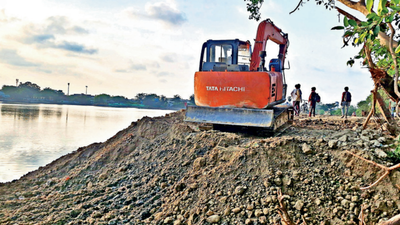
Supreme Court has agreed to intervene in a case of alleged encroachment of three iconic water bodies in the Bihar town following a petition by a civil society groupDarbhanga sits at the heart of Mithilanchal, the mythic land of Sita that forms part of Bihar’s northeast. It is a region rich in lore and timeless rituals. And central to those rituals are lakes and ponds, by whose banks people mark and commemorate every landmark from birth to death. Central as the water bodies are to its community life, many of them are facing a slow death. The plight of three such lakes has now prompted an intervention by the Supreme Court itself.The apex court usually refrains from entertaining matters related to local issues and asks petitioners to approach high courts. But it agreed to examine the case in which the petitioners have accused the govt itself of posing a threat to the three water bodies – Ganga Sagar, Digghi, and Harahi, which were built by three local kings and have been around for nearly a millennium – by launching a ‘beautification’ project under the Bihar Urban Infrastructure Development Corporation (BUIDCO).
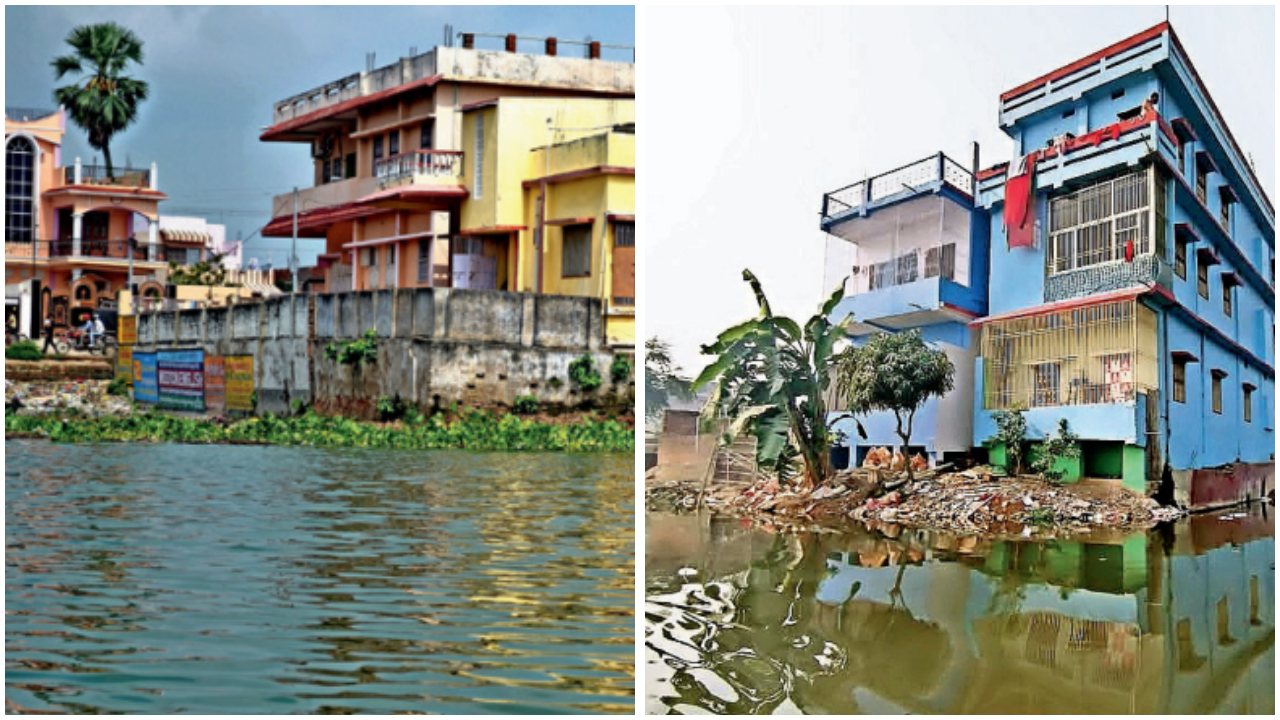
A bench of Justices Vikram Nath and Sandeep Mehta has sought an explanation from Bihar govt over the BUIDCO plan. Locals say the govt’s plan to fill parts of the ponds to construct kiosks, restaurants, and pavements is nothing but encroachment in the guise of “beautification”. Eklavya Prasad, who has worked extensively on the conservation of water bodies said “the govt is causing irreversible damage to the ponds in the name of beautification”.Deciding to act on their concerns, a group of retired academics, environmentalists, and citizens under the banner of Talab Bachao Abhiyan (TBA) said in their plea that the filling of ponds violates orders passed by National Green Tribunal (NGT), high court, and Supreme Court itself. The petitioners want the removal of all encroachments around the ponds, and their restoration “to their original position as depicted in the maps of the years 1868 and 1960”.Narayan Chaudhary, who heads TBA and has spent decades fighting legal battles to save water bodies, said the crisis of the Darnbhanga ponds has been unfolding for years, but authorities did not recognise it. “Per the District Gazetteer of 1964, Darbhanga – once called the ‘city of ponds’ – had 350 ponds. The Darbhanga Nagar Nigam now puts the figure at less than 100. That means around 250 ponds have disappeared in 60 years. Now, the govt itself is filling historic ponds in violation of Wetland Rules and judicial orders. Per official records, the three ponds spread over 253 bighas, but more than 25% of the area is under encroachment,” he said.Slamming the BUIDCO project, retired professor of botany Vidya Nath Jha said it would lead to the death of the ponds. “Filling parts of the water bodies will destroy biodiversity and the self-cleaning capacity maintained by insects and aquatic life,” he told TOI.Mithilanchal has a long tradition of constructing ponds as a water management system suited to its flood-prone, riverine landscape. Districts like Madhubani had over 10,000 ponds and Darbhanga around 9,000. These ponds serve as vital rainwater harvesting structures and recharge groundwater, mitigate floods by storing excess water, and provide water during droughts.Sayed Shamim Ahmad, who came to the city as a student in 1964 and retired as a professor, talks of the larger loss that occurs when a pond is filled. “During my PhD research in 1980, I had mapped 108 wetlands where 88 types of birds, including migratory ones, used to come. More than 60% of the wetlands have now vanished. Ponds have gone, groundwater is depleting, and a water crisis is looming. It is high time the govt gave priority to the preservation of water bodies,” he said.The concerns of experts and members of civil society speak to a larger phenomenon visible across Bihar. Per the 2025 water bodies census, the total number of water bodies in Bihar is 36,856, a 19% drop from the 2019 census.As Darbhanga waits on SC to save its water bodies, environmentalist Prasad underlined the issue at stake. “The govt needs to know that revival and preservation is not just about physical structures – it requires maintaining the entire ecosystem, water quality, biodiversity, and making people connect with the ponds. Filling ponds for commercial activity may draw crowds, but will ultimately damage them. Community involvement in preservation is essential to prevent flooding and sustain groundwater levels,” he said.


