
All trial courts shall consider framing of charges within 60 to 90 days, the SC bench said. NEW DELHI: Expressing concern that many engaging in the practice of dowry are not getting punished, Supreme Court has passed a series of directions to streamline and expedite trial in such cases.A bench of Justices Sanjay Karol and Augustine George Masih said there was a need for time-bound completion of trial in dowry cases and directed the high courts to periodically review pending criminal appeals.“Many who openly seek and give dowry go scot-free. It has been noted time and again, in various judicial pronouncements, that Dowry Prohibition Act, 1961, suffers from various difficulties in its implementation. This Court further acknowledged that when it comes to the giving and taking of dowry in particular, this practice unfortunately has deep roots in society; hence, it being not a matter of swift change, a concentrated effort is needed on the part of all the involved parties, be it Legislature, Judiciary, law enforcement agencies, civil society organisations, etc,” the apex court said.It said that all trial courts shall endeavour, as far as is practicable and subject to compliance with statutory safeguards under CrPC/BNSS, to secure prompt appearance of the accused after the filing of a chargesheet, and thereafter, consider the framing of charges within 60 to 90 days.“Trial Courts/High Courts shall discourage unnecessary adjournments and ensure that adjournments are granted only after recording reasons in writing. Where counsel for the accused repeatedly remains absent without sufficient cause, appropriate Legal Aid Counsel or Amicus Curiae may be appointed to ensure that proceedings are not unnecessarily delayed. Additionally, where the Investigating Officer has been transferred or has retired, a substitute or holding officer shall be nominated sufficiently in advance to avoid adjournments,” it said.Join conversationView All Comments →Share your thoughts in the commentsInsightfulAgreeDisagreeSkepticalConcerningPromisingWorth ReadingBig DevelopmentPost CommentBe respectful · TOI community guidelinesThe bench also directed states/Union territories and high courts to conduct periodic training and sensitisation programmes for judicial officers, police officials, prosecutors, protection officers, counsellors through judicial academies, police training institutions and other appropriate bodies.Get the latest India News and Live updates. Download the TOI app.End of ArticleFollow Us On Social MediaVideosCM Suvendu Adhikari Urges Skilled Bengalis Abroad To Return, Promises Jobs Under Double-Engine Govt’Blind Pakistan Activated Spies To Locate India’s S-400′ During Op Sindoor, Ex-Air Marshal RevealsCamac Street Showdown: TMC Blocks Police During Billboard Removal, Banerjee Announces Court MoveNepal Floods: 288 Indians Uncontactable, 21 Rescued So Far, MEA Shares Key Updates | WatchFour Killed, One Missing In Manipur Ambush As Naga-Kuki Tensions Erupt Again, Probe Launch | WatchFake IAS Officer Tripti Rajput Under Probe, Police Recover CBI Cards And Government DocumentsWhy A Supreme Court Judge Wants The Rajasthan High Court Acting Chief Justice Transferred?18 Rounds, Point-Blank: How Haryanvi Singer Ankit Balyan Was Gunned Down Outside Gym In UPIndia-China Talks Yield 8-Point Consensus; New Military Hotlines, Border Talks On The TableSkardu Base Was India’s Target During Operation Sindoor, Ex-CDS Reveals Why Strike Was Aborted123PhotostoriesFrom battling alcohol addiction and depression to drastic weight loss transformation; Ram Kapoor says, ‘Was 140 Kilos During Niyat, Couldn’t Walk 20 Steps…’Madras checks to kimono sleeves: Fashion trends the world rediscovered from AsiaFlying soon? 5 things you should never do on a flight4 countries where YouTube is blocked; here’s whyPolka dots to Gingham: 5 trendy prints taking over fashion this seasonLearn all about the viral Kora turmeric DIY mask: Does this desi glow hack actually work?Life didn’t go as planned? 5 things to remember when everything feels uncertain8 simple hacks to peel potatoes; the one that works the best and why5 Fluffy and furry dog breeds that can make your home even more adorable7 houseplants that may help keep mosquitoes away: From basil to mint123Hot PicksNepal floodUPTET Result 2026Sunny LeoneKerala name changeRRB NTPC UG CBT 2 examAnkit Baliyan murderSridhar VembuDelhi murderNEET PG 2026 admit cardTop TrendingAnkit Balyan MurderChandigarh MurderSamay RainaUdaipur HotelFlorida Car CrashUS Green Card HolderBengal HospitalTamil Nadu Son MurderElon MuskKanpur Aircraft Crash

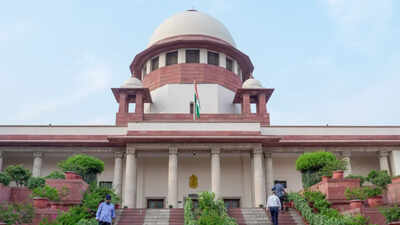
NEW DELHI: Expressing concern that many engaging in the practice of dowry are not getting punished, Supreme Court has passed a series of directions to streamline and expedite trial in such cases.A bench of Justices Sanjay Karol and Augustine George Masih said there was a need for time-bound completion of trial in dowry cases and directed the high courts to periodically review pending criminal appeals.“Many who openly seek and give dowry go scot-free. It has been noted time and again, in various judicial pronouncements, that Dowry Prohibition Act, 1961, suffers from various difficulties in its implementation. This Court further acknowledged that when it comes to the giving and taking of dowry in particular, this practice unfortunately has deep roots in society; hence, it being not a matter of swift change, a concentrated effort is needed on the part of all the involved parties, be it Legislature, Judiciary, law enforcement agencies, civil society organisations, etc,” the apex court said.It said that all trial courts shall endeavour, as far as is practicable and subject to compliance with statutory safeguards under CrPC/BNSS, to secure prompt appearance of the accused after the filing of a chargesheet, and thereafter, consider the framing of charges within 60 to 90 days.“Trial Courts/High Courts shall discourage unnecessary adjournments and ensure that adjournments are granted only after recording reasons in writing. Where counsel for the accused repeatedly remains absent without sufficient cause, appropriate Legal Aid Counsel or Amicus Curiae may be appointed to ensure that proceedings are not unnecessarily delayed. Additionally, where the Investigating Officer has been transferred or has retired, a substitute or holding officer shall be nominated sufficiently in advance to avoid adjournments,” it said.
Share your thoughts in the comments
Be respectful · TOI community guidelines
The bench also directed states/Union territories and high courts to conduct periodic training and sensitisation programmes for judicial officers, police officials, prosecutors, protection officers, counsellors through judicial academies, police training institutions and other appropriate bodies.


