
The report shows ‘girdawari’ was completed on time in less than half of India NEW DELHI: With deficit monsoon causing worry among policymakers over kharif sowing, the latest report by the statistics ministry has revealed severe gaps in the agriculture data collection system tracking crop acreage and food production.The grassroots field data is used by Commission for Agriculture Costs and Prices (CACP) to calculate production costs and shape national advance estimates, which govt uses to decide critical food security interventions, such as imposing export bans, adjusting import duties or releasing emergency buffer stocks to curb inflation.At the national level, the report shows that “girdawari”, which is the foundational block of crop statistics and refers to official crop enumeration inspections conducted by village revenue officers, was completed on time in less than half of the country.Instances of non-completion of “girdawari” in 2023-24 in Andhra Pradesh, Assam, Bihar, Gujarat, Haryana, Jharkhand, Karnataka, Maharashtra, Punjab, Telangana, Uttar Pradesh and West Bengal were “alarmingly high”, resulting in timely completion in only 43% sample villages during early kharif, 46% during late kharif, 48% during rabi and 33% during summer, the report said.”Suitable action needs to be taken by the respective state authorities to ensure timely completion of ‘girdawari’ in all the states,” said the report titled Review of Crop Statistics System released last week.Besides, it noted that 63% of village maps, which are essential to trace altered plots and land-use boundaries are 20 years old, indicating they may not accurately represent the changes that would have taken place due to construction and urbanisation. “Use of outdated maps leads to problems of identification of survey numbers… regular updation of maps is essential,” said the report.In West Bengal and Puducherry, all villages had maps that were last updated more than two decades ago, while it was 99% in Odisha, 98% in Uttarakhand, 94% in Assam, 93% each in Tamil Nadu and Jharkhand. In contrast, merely 5% villages in Gujarat had maps updated more than 20 years old.The report also found that the crop-cutting experiments (CCEs), which are the scientific foundation used to evaluate average yields and calculate final food output, were being conducted by untrained staff, who were assigned this task by the revenue officers. The overall number of CCE was estimated at around 1.2 million in 2023-24As much as 40% CCEs in Jharkhand and Uttar Pradesh were carried out by untrained personnel, while in Madhya Pradesh, Maharashtra and West Bengal more than 10% CCEs were conducted by junior staff, the report said.Get the latest India news and live updates. Download the TOI App.End of ArticleFollow Us On Social MediaVideos’Black Magic, Cow Urine’: Shiv Sena (UBT) Leader’s Daughter-In-Law Makes Shocking Allegations’I Lock Up Religion When…’: Annamalai Confirms ‘We The Leaders’ Will Become Political PartyWatch: Assam CM Himanta Sarma Drives Road Roller, Destroys Seized Drugs’1 Indian Missing’: MEA Condemns Attack On Vessel Carrying Indian Crew Off Oman Coast’Do I Have To Ask Trump?’: Omar Abdullah Launches Attack At Modi Govt Over Jammu-Kashmir StatehoodBJP Rejects Omar Abdullah’s ‘Operation Lotus’ Allegation, Demands Proof Or Public ApologyHapur Woman Critical After Allegedly Drinking Acid From Sealed Water Bottle; Police Launch ProbeElection Commission Updates Form 6 With New SIR DeclarationIndian Army Plans To Induct 450 Carl Gustaf M4 Rocket LaunchersDelhi To Get Its First Solar Tree At Secretariat; Pilot Project May Expand Across The City123PhotostoriesThese 4 signs are said to have the highest IQWomen over 30, especially mothers, face these 5 common health problems: Doctor says early prevention can make all the differenceTrying for a baby? This one dental habit could make a difference”Scrambled egg mein crush…aur phir”: Raj Thackeray shares his unique Egg recipe loved by his father and Bal ThackerayForget crash diets and health hacks: Cardiologist reveals 5 simple daily habits that can transform your health, one day at a timeTop 3 eggs in the world and the right way to consume themnside Sudesh Lehri’s luxurious 4-BHK Mumbai home: A private studio, home theatre and moreWhy seemingly healthy young Indians are collapsing without warning: Doctors explain how AEDS can mean the difference between life and deathKate Middleton ditched soft neutrals for a show-stopping red look at Wimbledon 20265 late-night drinks that help support healthy blood sugar, according to dietitians123Hot PicksAgniveer result 2026DU UG Admissions 2026Vietnam boat accidentSonam Wangchuk Hunger strikeIslam makhachevKarnataka Bus newsBengaluru delivery boyKolkata Mosque prayersHamad bin Khalifa Al ThaniTop TrendingUFC 329 HighlightsNHL Player InjuryErling Haaland FatherFIFA World Cup 2026Chhattisgarh Student MurderTS EAMCET Phase 1 seat allotmentRamesh MhatreDelhi NCR rainGurgaon EncounterIran war

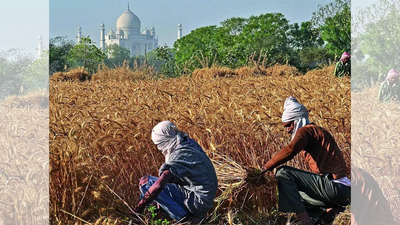
NEW DELHI: With deficit monsoon causing worry among policymakers over kharif sowing, the latest report by the statistics ministry has revealed severe gaps in the agriculture data collection system tracking crop acreage and food production.The grassroots field data is used by Commission for Agriculture Costs and Prices (CACP) to calculate production costs and shape national advance estimates, which govt uses to decide critical food security interventions, such as imposing export bans, adjusting import duties or releasing emergency buffer stocks to curb inflation.At the national level, the report shows that “girdawari”, which is the foundational block of crop statistics and refers to official crop enumeration inspections conducted by village revenue officers, was completed on time in less than half of the country.Instances of non-completion of “girdawari” in 2023-24 in Andhra Pradesh, Assam, Bihar, Gujarat, Haryana, Jharkhand, Karnataka, Maharashtra, Punjab, Telangana, Uttar Pradesh and West Bengal were “alarmingly high”, resulting in timely completion in only 43% sample villages during early kharif, 46% during late kharif, 48% during rabi and 33% during summer, the report said.“Suitable action needs to be taken by the respective state authorities to ensure timely completion of ‘girdawari’ in all the states,” said the report titled Review of Crop Statistics System released last week.Besides, it noted that 63% of village maps, which are essential to trace altered plots and land-use boundaries are 20 years old, indicating they may not accurately represent the changes that would have taken place due to construction and urbanisation. “Use of outdated maps leads to problems of identification of survey numbers… regular updation of maps is essential,” said the report.In West Bengal and Puducherry, all villages had maps that were last updated more than two decades ago, while it was 99% in Odisha, 98% in Uttarakhand, 94% in Assam, 93% each in Tamil Nadu and Jharkhand. In contrast, merely 5% villages in Gujarat had maps updated more than 20 years old.The report also found that the crop-cutting experiments (CCEs), which are the scientific foundation used to evaluate average yields and calculate final food output, were being conducted by untrained staff, who were assigned this task by the revenue officers. The overall number of CCE was estimated at around 1.2 million in 2023-24As much as 40% CCEs in Jharkhand and Uttar Pradesh were carried out by untrained personnel, while in Madhya Pradesh, Maharashtra and West Bengal more than 10% CCEs were conducted by junior staff, the report said.


