
NEW DELHI: Veteran journalist and news anchor Sudhir Chaudhary on Thursday shared his reflections on the evolution of television journalism and the fast-changing landscape of digital news during a session at the Fourth Annual Storyboard18 Digital News Publishers Association (DNPA) Conclave 2026 in New Delhi.In an engaging conversation moderated by RJ Raunac — the artist, entertainer, and entrepreneur popularly known as “Bauaa” — the discussion, themed “The new world order of news: rewriting the playbook for a resilient digital future”, explored how technology continues to redefine storytelling, credibility, and audience engagement in modern newsrooms.Responding to a question about the dramatic shift from the early days of television to the rise of the digital and AI-driven era, Chaudhary traced his journey from the mid-1990s, when India’s TV news industry was just taking root.“When I began my career in 1994–95, television was just taking off in India. There was only one news bulletin a day, aired around 9 or 10 pm. People would wait eagerly for that slot, believing it marked the dawn of a new era in broadcasting. It was truly just the beginning,” he said, recalling how the medium evolved from a single nightly bulletin to over 400 channels running 24 hours across the country today.Sharing anecdotes from his early reportage, Chaudhary highlighted the challenges of telling stories when technology was limited. He recounted how, during the Kargil War in 1999, which he called India’s first “televised war,” sending footage from the conflict zone to Delhi took up to two days, often leaving reporters anxious and helpless.Sharing another memory from the 2002 Parliament attack, he said, “I had the best visuals, best footage of the incident, but there was no medium to send it from the Parliament to my office in Noida. Though OB vans were a thing, we did not have OB vans available that day.”Reflecting on how far the industry has come, he observed that despite the tools changing—from broadcast to social media, and now AI—certain core principles have remained constant.“People say TV is dying now since it’s being taken over by social media, which is also being challenged by AI. But I feel certain things have not changed,” he said.Emphasising the enduring essence of journalism, Chaudhary noted, “Storytelling, clarity, and responsibility — these things have never changed. Technology can create content for you, but the emotion and intent behind the content will always be driven by you.”The DNPA Conclave 2026 brought together policymakers, editors, technologists, and industry leaders to deliberate on the future of news in an AI-led world. The day’s sessions examined how innovation, regulation, and ethics can coexist to shape a trustworthy and sustainable digital media environment for the next decade.End of ArticleFollow Us On Social MediaVideos’Owe India A Great Lot Of Debt’: Israel PM Benjamin Netanyahu Hails PM Modi During Joint StatementFrom Rajasthan to Assam: India is Building Highway Airstrips for Modern Warfare’Heads Must Roll’: Centre Says Sorry Over NCERT Chapter, Supreme Court Demands AccountabilityUmmah Politics Erupts As Pakistan Targets Israel’s Hexagon Alliance Plan Naming India A Key AllyIndian Army Showcases Combat Power Near India-Pak BorderRare Husband-Wife Debate In Assembly: Mehtab Chandee Questions Meghalaya CM On Livestock Projects’Namaste’ In Japan: Young Indian Origin Boy Touches Yogi Adityanath Feet Recites Sacred ShlokasFrom Selfies To Shared Ride: PM Modi’s Day One In Israel Signals Strong Strategic Bond With IndiaFrom Accusations To Engagement: Canada Changes Tone On Indian Interference Before Carney Visit’Living In La La Land’: India Destroys Pakistan At UN, Says J&K’s Budget Is Double Of IMF Bailout123PhotostoriesNot just the clothes! Rashmika Mandanna and Vijay Deverakonda’s heritage wedding jewellery has the internet talkingWhat sets luxury cars apart? 5 features you won’t find in economy modelsWalking at 12-3-30 for weight loss: Can this low-impact routine help you lose fat effectively?From ‘Ramayana’ and ‘Dhurandhar’ to ‘Toxic’ and ‘King’: Looking at 2026’s MOST EXPENSIVE films in BollywoodHow to make Amritsari Aloo Wadi Ki Sabzi for dinnerDipika Kakar breaks down after meeting her mother in-law in the hospital; gets discharged after her cyst removal surgeryWorld’s top 10 tourism economies ranked, India on the listVijay Deverakonda and Rashmika Mandanna wedding: Revisiting the ‘Virosh’ love story in pictures7 tallest buildings in Dubai that define the city’s iconic skylineChef Sanjeev Kapoor rediscover’s childhood joy with traditional Holi dishes123Hot PicksNew Indian Railways reformsSaudi poultry import banGold rate todayBihar wedding shootIncome Tax CalculatorPublic holidays February 2026Bank Holidays februaryTop TrendingThe RockJason KelceBrittany MahomesHow to get Iron Man Skin in FortniteBank Holidays in MarchStephen Curry WifeSaudi Arabia Poultry BansKamal Maula Mosque DisputeBhojshala Madhya PradeshSalman Agha Wife

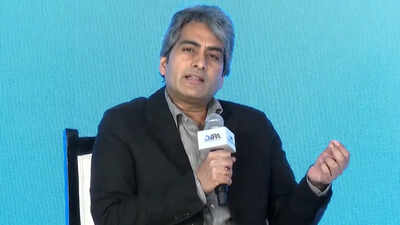
NEW DELHI: Veteran journalist and news anchor Sudhir Chaudhary on Thursday shared his reflections on the evolution of television journalism and the fast-changing landscape of digital news during a session at the Fourth Annual Storyboard18 Digital News Publishers Association (DNPA) Conclave 2026 in New Delhi.In an engaging conversation moderated by RJ Raunac — the artist, entertainer, and entrepreneur popularly known as “Bauaa” — the discussion, themed “The new world order of news: rewriting the playbook for a resilient digital future”, explored how technology continues to redefine storytelling, credibility, and audience engagement in modern newsrooms.Responding to a question about the dramatic shift from the early days of television to the rise of the digital and AI-driven era, Chaudhary traced his journey from the mid-1990s, when India’s TV news industry was just taking root.“When I began my career in 1994–95, television was just taking off in India. There was only one news bulletin a day, aired around 9 or 10 pm. People would wait eagerly for that slot, believing it marked the dawn of a new era in broadcasting. It was truly just the beginning,” he said, recalling how the medium evolved from a single nightly bulletin to over 400 channels running 24 hours across the country today.Sharing anecdotes from his early reportage, Chaudhary highlighted the challenges of telling stories when technology was limited. He recounted how, during the Kargil War in 1999, which he called India’s first “televised war,” sending footage from the conflict zone to Delhi took up to two days, often leaving reporters anxious and helpless.Sharing another memory from the 2002 Parliament attack, he said, “I had the best visuals, best footage of the incident, but there was no medium to send it from the Parliament to my office in Noida. Though OB vans were a thing, we did not have OB vans available that day.”Reflecting on how far the industry has come, he observed that despite the tools changing—from broadcast to social media, and now AI—certain core principles have remained constant.“People say TV is dying now since it’s being taken over by social media, which is also being challenged by AI. But I feel certain things have not changed,” he said.Emphasising the enduring essence of journalism, Chaudhary noted, “Storytelling, clarity, and responsibility — these things have never changed. Technology can create content for you, but the emotion and intent behind the content will always be driven by you.”The DNPA Conclave 2026 brought together policymakers, editors, technologists, and industry leaders to deliberate on the future of news in an AI-led world. The day’s sessions examined how innovation, regulation, and ethics can coexist to shape a trustworthy and sustainable digital media environment for the next decade.


