
NEW DELHI: It is only the ‘gaddi’ (throne) of an erstwhile Maharaja which can be bequeathed as per the rule of primogeniture, which makes the eldest male lineal descendant the successor, but properties and royal assets have to be divided among legal heirs as per the Hindu or Muslim succession law, the Supreme Court has ruled.A bench of Justices Pankaj Mithal and SVN Bhatti said “only the perceived throne devolved according to the rule of primogeniture, but not the personal private properties of the ruler”, and set aside the HC order which held that the rule of primogeniture would prevail in the succession of properties. The court brings the curtain down on litigation going on for the last 49 years among descendants of Maharaja Paramjit Singh of Kapurthala. The court directed the eldest male to share property with his other legal heirs as per Hindu succession law.It said the merger agreement signed by the Maharaja with the Indian govt preserved the rule of primogeniture only in respect of succession to the throne but in no way guaranteed this in respect of the private personal properties of the Maharaja.The court said that the rulers surrendered their sovereignty and assumed the status of ordinary citizens upon signing the merger agreement with certain rights and privileges as set out in the Constitution.”Such a person, though defined as a ‘ruler’, has no territory and exercises no sovereignty over any subjects. He is simply a citizen of India with certain privileges because he or his predecessors surrendered their territory, powers, and sovereignty to the Dominion of India. Apparently, such rulers were in name only, with no lands or personal property. They were rajas without praja,” it said.”In view of the above discussion that the properties declared to be the private properties of the Maharaja would devolve according to Hindu law/law of succession and not by rule of primogeniture, the judgment and order of the learned single judge as well as of the division bench of HC which holds that the rule of primogeniture would prevail in the succession of properties is illegal and is unsustainable in law,” the bench said.End of ArticleFollow Us On Social MediaVideos’Trauma Care Part Of Right To Life’: SC Orders 112 As One Unified Emergency Response NumberAfter 20 Years In Saudi Prison, Kerala Man Abdul Rahim Returns HomePatna Builder Gifts CM Portrait, Internet Reacts With “Majnu Bhai Would Be Proud” JokesTension At West Bengal Border As Migrants Wait For Return Amid Holding Centre OperationsTwisha Sharma Death Case: CBI Arrests Mother-In-Law & Retired Judge Giribala SinghFrom Brazil To India: Inside Gujarat’s Biggest Cocaine SeizureSiddaramaiah Resigns As Karnataka CM, DK Shivakumar Likely To Take OverSpecial Eid-ul-Adha Namaz Held At Taj Mahal Amid Tight Security Across Uttar Pradesh CitiesTamil Nadu CM Vijay Postpones Delhi Meeting With Rahul Gandhi After PM Modi MeetPriyanka Gandhi Intervention Boosts DK Shivakumar’s Push For Karnataka Chief Minister Post: Report123PhotostoriesDiscovering India’s only snake-free region10 famous snake parks and zoos in the USA every wildlife traveller should visit and how to reach here”Egg is the worst thing you can…” Sadhguru shares 3 traditional South Indian vegetarian dishes rich in protein and vitamin B125 most iconic Katrina Kaif movie looks that are making a comeback online10 toxic habits you think are normal, but they’re holding you backIndoor plants that you can grow without soilIndia’s hidden wine regions beyond NashikWhy atta dough turns dry in the fridge and 3 easy ways to retain its moistureThought of the day, inspired by Bhagavad Gita: “Inner peace begins where ego ends”5 art villages of india where art has been passed down from generations and is a way of life123Hot PicksParris Campbell RetirementClaude Lemieux DeathMitch MarnerKarnataka CMJai Pal SinghCristiano RonaldoSachine TendulkarTop TrendingPatna Boat AccidentGujarat Drug BustNEET UG Paper LeakNorth India HeatwaveGrocery price hikeBengaluru Ebola CaseUK NEETRahul GandhiIndian mango exportsFuel price hike

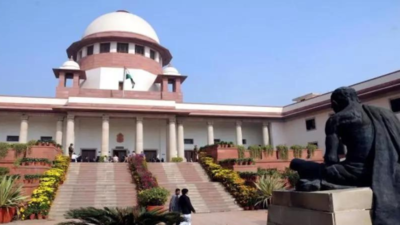
NEW DELHI: It is only the ‘gaddi’ (throne) of an erstwhile Maharaja which can be bequeathed as per the rule of primogeniture, which makes the eldest male lineal descendant the successor, but properties and royal assets have to be divided among legal heirs as per the Hindu or Muslim succession law, the Supreme Court has ruled.A bench of Justices Pankaj Mithal and SVN Bhatti said “only the perceived throne devolved according to the rule of primogeniture, but not the personal private properties of the ruler”, and set aside the HC order which held that the rule of primogeniture would prevail in the succession of properties. The court brings the curtain down on litigation going on for the last 49 years among descendants of Maharaja Paramjit Singh of Kapurthala. The court directed the eldest male to share property with his other legal heirs as per Hindu succession law.It said the merger agreement signed by the Maharaja with the Indian govt preserved the rule of primogeniture only in respect of succession to the throne but in no way guaranteed this in respect of the private personal properties of the Maharaja.The court said that the rulers surrendered their sovereignty and assumed the status of ordinary citizens upon signing the merger agreement with certain rights and privileges as set out in the Constitution.“Such a person, though defined as a ‘ruler’, has no territory and exercises no sovereignty over any subjects. He is simply a citizen of India with certain privileges because he or his predecessors surrendered their territory, powers, and sovereignty to the Dominion of India. Apparently, such rulers were in name only, with no lands or personal property. They were rajas without praja,” it said.“In view of the above discussion that the properties declared to be the private properties of the Maharaja would devolve according to Hindu law/law of succession and not by rule of primogeniture, the judgment and order of the learned single judge as well as of the division bench of HC which holds that the rule of primogeniture would prevail in the succession of properties is illegal and is unsustainable in law,” the bench said.


