
NEW DELHI: Even though the first supplementary voters’ list was published on Monday in West Bengal based on adjudication of cases found ‘doubtful’ during special intensive revision (SIR), the window for filing appeals, based on electoral rules, by those aggrieved by exclusion and others objecting to electors’ inclusion may be rather small.As per rules, the electoral roll is frozen on the last day of nomination. However, since an appeal process follows publication of final roll, seven days may be left for making appeals after publication of the supplementary lists, these being part of the final roll. Thus, the last of supplementary lists for West Bengal may need to be out by March 29 for Phase 1 and April 1 for Phase 2. Watch Defections and Electoral Strategy: How Turncoats Are Redefining West Bengal Politics The 19 appellate tribunals set up EC on Friday, will therefore have only a few days to decide on the appeals, with April 6 and April 9 being the date on which the roll must be frozen for Phase 1 and Phase 2 respectively; unless, of course, the Supreme Court relaxes the rule. Israel Iran WarUS-Israel-Iran War News Live Updates: Amazon Web Services ‘disrupted’ following drone attack in Bahrain; Saudi, UAE mull joining Iran warPossible US-Iran Talks In Islamabad: White House calls situation ‘sensitive’ and ‘fluid’; oil prices tumbleTrump Shifts Iran War Push: says Hegseth urged early strikes; extends deadline for attacksInterestingly, it is not only those aggrieved by their exclusion from the supplementary roll who can file appeals before the tribunals. Any person can object to inclusion of an elector in the supplementary list, by attaching evidence and a signed declaration/oath under Rule 20(3)(b) of the Registration of Electors Rules, 1960. Presenting false evidence or making a false declaration in connection with the electoral roll is, however, punishable with a term of up to three years under Section 227/229 of BNS and up to a year’s imprisonment under Section 31 of the Representation of the People Act, 1950.About the AuthorBharti JainBharti Jain is senior editor with The Times of India, New Delhi. She has been writing on security matters since 1996. Having covered the Union home ministry, security agencies, Election Commission and the ‘prime’ political beat, the Congress, for The Economic Times all these years, she moved to TOI in August 2012. Her repertoire of news stories delves into the whole gamut of issues related to terrorism and internal strife, besides probing strategic affairs in India’s neighbourhood.Read MoreEnd of ArticleFollow Us On Social MediaVideosSupreme Court Raps Forces Over Gender Bias, Orders Justice For Women Officers In Historic RulingGovt Tightens Grip On GLP-1 Weight Loss Drugs Amid Rising Concerns Over Unauthorised SalesIndia, US Step Up Defence Talks As Elbridge Colby Visit And Jaishankar-Rubio Call Focus On West Asia“Pak Is Just Dysfunctional”: Fareed Zakaria Explains India-Pakistan Growth GapCentre’s Nod To 114 Rafales, 60 Transport Aircraft, And AEWC Systems In Major Air Force Upgrade PushIndia Issues RFI for Engine Test Complex, Facility To End India’s Foreign Engine Testing DependencyIndia, US Hold Talks As West Asia Crisis Raises Energy ConcernsTwo More Indian LPG Ships Pine Gas And Jag Vasant Transit Strait Of Hormuz Amid Iran-Israel War’India Moving Ahead With Resolve’: PM Modi’s Big Message On West Asia Conflict’Never Faced Such Humiliation’: Jaya Bachchan Slams VIP Culture In RS, Flags Traffic Disruptions123PhotostoriesUpcoming OTT releases of the week: ‘Mardaani 3’, ‘Bait’, and moreTamannaah Bhatia just introduced the lehenga style that will rule 20265 unusual morning habits of US presidents you never knewVaibhav Suryavanshi Home: Vaibhav Suryavanshi’s modest home in Samastipur, Bihar tells the story of hard work, determination and family sacrifices behind the success of India’s young cricket prodigyGoddess Durga symbols associated with your birth dateSiberian Husky: 7 reasons why this dog breed is good for childrenOn World Tuberculosis Day, doctors share early symptoms, debunk myths, and discuss treatment challengesHow wars changed food habits across countriesComics that were made into movies: ‘Garfield’, ‘Archies’ and more6 iconic destinations on the banks of the world’s longest river123Hot PicksTrump Iran DealMohammad Bagher GhalibafSan Francisco AirportGold rate todayIncome Tax CalculatorPublic holidays March 2026Bank Holidays MarchTop TrendingGolden state warriors vs dallas mavericks injury reportPatrick MahomesJoe MazzullaColombian Military Plane CrashBrittany MahomesWWE Raw News RoundupSilver Rate TodayRajasthan 8th Class ResultTrump Iran DealBihar Board Science Topper

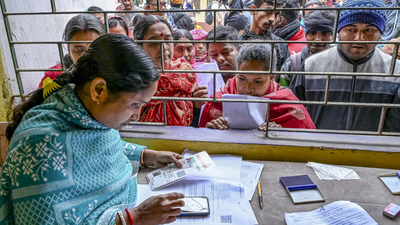
NEW DELHI: Even though the first supplementary voters’ list was published on Monday in West Bengal based on adjudication of cases found ‘doubtful’ during special intensive revision (SIR), the window for filing appeals, based on electoral rules, by those aggrieved by exclusion and others objecting to electors’ inclusion may be rather small.As per rules, the electoral roll is frozen on the last day of nomination. However, since an appeal process follows publication of final roll, seven days may be left for making appeals after publication of the supplementary lists, these being part of the final roll. Thus, the last of supplementary lists for West Bengal may need to be out by March 29 for Phase 1 and April 1 for Phase 2.
The 19 appellate tribunals set up EC on Friday, will therefore have only a few days to decide on the appeals, with April 6 and April 9 being the date on which the roll must be frozen for Phase 1 and Phase 2 respectively; unless, of course, the Supreme Court relaxes the rule. Interestingly, it is not only those aggrieved by their exclusion from the supplementary roll who can file appeals before the tribunals. Any person can object to inclusion of an elector in the supplementary list, by attaching evidence and a signed declaration/oath under Rule 20(3)(b) of the Registration of Electors Rules, 1960. Presenting false evidence or making a false declaration in connection with the electoral roll is, however, punishable with a term of up to three years under Section 227/229 of BNS and up to a year’s imprisonment under Section 31 of the Representation of the People Act, 1950.


