NEW DELHI: Amid mounting unease of SC over the practice of judges inordinately delaying pronouncing verdicts reserved by them, a two-judge bench of apex court has set Thursday as the day to deliver a verdict it reserved a year and two months ago.SC had recently criticised HC judges who reserve verdict and forget to pronounce their decisions, terming it an ailment in justice system. ‘Justice Delayed Is Justice Destroyed’: CJI Kant Calls High Courts Key Guardians Of Citizens’ Rights An SC bench of Justices P S Narasimha and Manoj Misra on Dec 3, 2024 reserved verdict in the case “B Prashanth Hegde vs State Bank of India and Another” after hearing senior advocate A M Singhvi for appellant and additional solicitor general N Venkataraman. The case centred on failure to repay alleged bank dues of Rs 300cr and a counter-claim challenging the IBC proceedings. It might be a coincidence that the case showed movement soon after an SC bench led by CJI Surya Kant on Feb 3 criticised Jharkhand HC judge Rongon Mukhopadhyay for keeping judgments reserved for years.Terming it as “challenge” and an “ailment of the justice delivery system,” the CJI said such delays “must be cured and not allowed to infect the system”.When contacted for comments on his concerns over the judgment being kept reserved for long, the CJI office said, “the CJI is aware of the issue and that he is contemplating consultation with his colleagues for issuance of a general internal guidelines for prompt delivery of judgments. Overwhelming majority of judges in the SC do not keep judgments reserved for a long period. Compared to the HCs, the SC judges must get a little more time to contemplate and deliberate before delivering judgments as these become the law of the land.”On inquiry with the SC registry, TOI learnt that Justice Misra had agreed to author the judgment on behalf of the bench and that it is pending with him for more than one year. CJI Kant had earlier said the best way to avoid reserving decisions in too many cases is to dictate the orders in the courtroom immediately after hearing the two sides to a litigation.CJI, in most cases, dictates judgments in the courtroom. Because of the pressure of administrative work that eats into his judicial time, the bench led by the CJI sits beyond the scheduled business hours to compensate the litigants and complete the day’s work, sources said.In 2001, the SC in Anil Rai case flagged the practice of some HC judges reserving verdicts and then failing to pronounce them, or issuing only the operative portions of the verdict with a promise to provide detailed reasons later — a commitment which was often observed in the breach.SC had ruled that if the judgment remained reserved for over six months, the litigants could make an application to the CJ concerned for listing the case for fresh hearing before another bench. SC could lay down guidelines for HCs, but it has done little to tackle similar delays in SC. Justice A S Oka, close to his retirement last year, had delivered the judgment on a long-pending dispute between two ISKCON factions after keeping it reserved for almost a year.End of ArticleFollow Us On Social MediaVideosLower 18% Tariff To Give ‘Competitive Edge’ To Indian Agri Exports To US: APEDA‘GST After Death?’ Sitharaman Takes Dig at TMC During Budget ReplyRespect One, Call Another Traitor? Sitharaman Exposes Rahul’s Double StandardsBaloch Leader Akhtar Mengal Stuns Pakistan, Says Balochistan’s ‘Separation Is The Only Option Now”Modi Sold Bharat Mata’: Rahul Blasts Centre Over India-US Trade Deal, Govt hits back’India A Priority, No Second Class Citizen’: Jamaat Chief’s Big Statement Before Key Bangladesh VoteBangladesh Elections 2026: Key Players and Why India, China & Pakistan Are WatchingEntertainment Value Or Evidence? Hardeep Puri Blasts Rahul Gandhi’s ‘Buffoonery’ On Epstein FilesMuhammad Yunus Assures Smooth Handover Ahead Of Bangladesh’s First Elections After Hasina Exit”If You Had Taken My Advice” Jagdambika Pal Responds To Rahul Gandhi’s Ex-Congress Jab123Photostories8 herbs you can grow on a windowsill for cooking and décor10 royal baby names that never go out of styleFrom Ranveer Singh to Randeep Hooda: Bollywood stars who were gifted handwritten letters by Amitabh Bachchan6 Vastu-recommended paintings you should have in your home to attract wealth and prosperityExclusive – Kanika Mann on bagging Naagin 7, playing a negative role and comparisons with Priyanka Chahar Choudhary; says ‘I am open to it’18 must-try coffee drinks from around the world5 real estate hotspots in Surat, Gujarat driving property demand5 fire safety measures every residential building must have5 heartfelt romance dramas on Peacock that are a must-watch ahead of Valentine’s DayKerala Assembly polls 2026: PM Modi kick starts BJP’s campaign with launch of several development projects123Hot PicksBharat bandh todayGold Silver PricesBangladesh Elections 2026Bharat BandhIncome Tax CalculatorPublic holidays February 2026Bank Holidays februaryTop TrendingAll American ShowTravis KelceJuraj SlafkovskyLeBron JamesElvis MerzlikinsMilano CortinaKayla NicoleJulia SimonClash Royale ControversyPuka Nacua
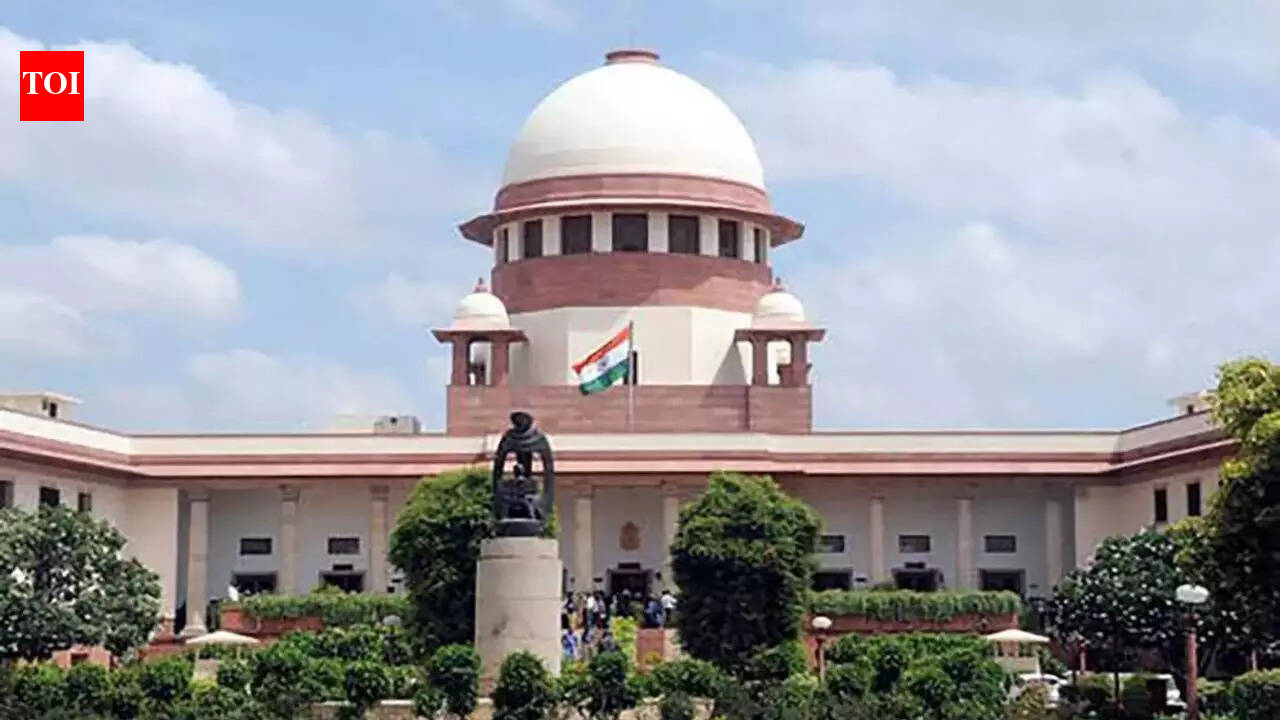

NEW DELHI: Amid mounting unease of SC over the practice of judges inordinately delaying pronouncing verdicts reserved by them, a two-judge bench of apex court has set Thursday as the day to deliver a verdict it reserved a year and two months ago.SC had recently criticised HC judges who reserve verdict and forget to pronounce their decisions, terming it an ailment in justice system.
An SC bench of Justices P S Narasimha and Manoj Misra on Dec 3, 2024 reserved verdict in the case “B Prashanth Hegde vs State Bank of India and Another” after hearing senior advocate A M Singhvi for appellant and additional solicitor general N Venkataraman. The case centred on failure to repay alleged bank dues of Rs 300cr and a counter-claim challenging the IBC proceedings. It might be a coincidence that the case showed movement soon after an SC bench led by CJI Surya Kant on Feb 3 criticised Jharkhand HC judge Rongon Mukhopadhyay for keeping judgments reserved for years.Terming it as “challenge” and an “ailment of the justice delivery system,” the CJI said such delays “must be cured and not allowed to infect the system”.When contacted for comments on his concerns over the judgment being kept reserved for long, the CJI office said, “the CJI is aware of the issue and that he is contemplating consultation with his colleagues for issuance of a general internal guidelines for prompt delivery of judgments. Overwhelming majority of judges in the SC do not keep judgments reserved for a long period. Compared to the HCs, the SC judges must get a little more time to contemplate and deliberate before delivering judgments as these become the law of the land.”On inquiry with the SC registry, TOI learnt that Justice Misra had agreed to author the judgment on behalf of the bench and that it is pending with him for more than one year. CJI Kant had earlier said the best way to avoid reserving decisions in too many cases is to dictate the orders in the courtroom immediately after hearing the two sides to a litigation.CJI, in most cases, dictates judgments in the courtroom. Because of the pressure of administrative work that eats into his judicial time, the bench led by the CJI sits beyond the scheduled business hours to compensate the litigants and complete the day’s work, sources said.In 2001, the SC in Anil Rai case flagged the practice of some HC judges reserving verdicts and then failing to pronounce them, or issuing only the operative portions of the verdict with a promise to provide detailed reasons later — a commitment which was often observed in the breach.SC had ruled that if the judgment remained reserved for over six months, the litigants could make an application to the CJ concerned for listing the case for fresh hearing before another bench. SC could lay down guidelines for HCs, but it has done little to tackle similar delays in SC. Justice A S Oka, close to his retirement last year, had delivered the judgment on a long-pending dispute between two ISKCON factions after keeping it reserved for almost a year.


