
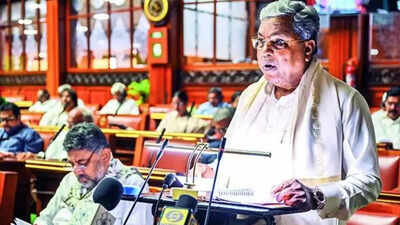
Karnataka CM Siddaramaiah presents the budget in Bengaluru on Friday BENGALURU: Beer and wine could get cheaper as Karnataka rolls out a new alcohol-in-beverage (AIB)-based excise duty system from April, becoming the first state in the country to link liquor taxation directly to alcohol content. The new framework will fully deregulate govt price fixation and halve pricing slabs to eight. Presenting the govt’s 2026-27 budget Friday, CM Siddaramaiah said the uniform excise duty per litre of alcohol would be phased out in 3-4 years, with gradual price changes to avoid market disruption. The reform aims to modernise the excise system, improve transparency, simplify pricing and promote ease-of-doing business.Israel Iran WarUS-Israel-Iran War Live Updates: ‘Indian navy’s guest struck without warning’: Iran slams US after torpedo sinks warship IRIS Dena50 Israeli jets strike, destroy Iran Supreme Leader Ali Khamenei’s underground military bunker; IDF shares videoRussia helping Iran? Moscow providing real time intelligence to Tehran on American military assets”An AIB-based excise duty structure is the globally recognised as gold standard for alcohol taxation, as it directly targets the alcohol content which is the primary source of negative externalities,” the CM said while he set an ambitious revenue target of Rs 45,000 crore from the excise sector for the next financial year.In India, typical beer ABV (alcohol by volume) ranges from 4%-8%, with strong variants at 8%. Whiskey generally contains 36%-50% ABV. AIB system taxes higher-strength liquor more heavily, potentially nudging consumers towards lower-alcohol options.Industry representatives welcomed the policy. “AIB-based taxation is a historic milestone and a beacon for excise policy reforms across India… The product to be taxed is alcohol and not water. It is widely followed all over the world and encouraged by organisations such as WHO,” said Vinod Giri, director-general, Brewers Association of India.A spokesperson for United Breweries appreciated “govt’s intent to strengthen the regulatory and policy framework for the sector”. The share prices of United Breweries surged after the announcement.Sanjit Padhi, CEO of International Spirits and Wines Association of India, welcomed the move to free up liquor pricing. “Reducing slabs to eight offers brands flexibility to set prices. While the final tax structure is pending, we hope a stable policy could boost investment and premiumisation, shifting consumers from lower-end products toward higher-value options,” he said.The govt also plans to promote alcohol-linked tourism, allowing tasting sessions and on-site sales at distilleries. Distilleries and breweries will be allowed 24-hour operations, and beer labels will no longer require mandatory disclosure of malt and sugar content.The tax announcement comes amid a controversy over alleged corruption of Rs 5,000 crore in issue of liquor licences. Opposition had demanded the resignation of excise minister RB Timmapur. He has denied the allegations.End of ArticleFollow Us On Social MediaVideosRow Over Electoral Roll Revision: Protest Held at Dharmatala in Kolkata’Real Players Are US, Russia, China’: Rahul Gandhi On Iran-Israel War, Warns Of India ImpactNitish Kumar’s Son Nishant To Enter Politics, Will Join JD(U) Soon In Signal Of Big Power ShiftNepal Poll Results: India Watches Closely As Border Dispute And ‘Big Brother’ Charge Loom’Jaishankar Should Respond’: Opposition Leaders Slam Modi Govt Over US Waiver On Russian OilWhy Is Congress Betting on Gaurav Gogoi While BJP Hits Pakistan Links?Health or politics? The real reason BJP changed West Bengal governorIAF Pilot Purvesh Duragkar Killed In Su-30MKI Crash Took Part In Op Sindoor, Met Family 10 Days AgoBengal SIR Row Decoded: Why Mamata Banerjee Is Launching Dharna Against EC Ahead Of PollsUS Waiver ON Russian Oil Sparks Row, Rahul Gandhi Blasts Modi Govt, Questions India’s Sovereignty123PhotostoriesFrom the pit lane to the runway: Meet the most stylish men in F1Why heart attacks strike early morning, and what cardiologists say you can do to reduce the riskLaughter Chefs: From Bharti Singh, Krushna Abhishek, Elvish Yadav to Tejasswi Prakash here’s how much these stars charge per episode10 regional summer drinks that will make you forget matcha and latteA look at Sultan Hassanal Bolkiah’s $4 billion car collection: from rare Rolls-Royces to iconic supercars and one-of-a-kind F1 machinesMarch-perfect destinations to visit in India under ₹10,000; check itineraryWhy your legs feel heavy or swollen by evening: Doctors reveal 5 circulation problems to watch for8 national parks that are home to the most iconic natural landmarksHow to make classic South Indian Onion Masala Dosa for dinnerInside Hardik Pandya’s luxurious car collection: 5 cars that define his style123Hot PicksChina Military BudgetIran Mobile Missile LauncersMiddle East CrisisNitish KumarIncome Tax CalculatorPublic holidays March 2026Bank Holidays MarchTop TrendingAP SSC Hall TicketsBreanna StewartJai OpetaiaDak Prescotts ContractBengaluru Flight CancellationsNepal ElectionsMiddle East CrisisKarnataka BudgetNitish KumarRussia India Oil Deal

BENGALURU: Beer and wine could get cheaper as Karnataka rolls out a new alcohol-in-beverage (AIB)-based excise duty system from April, becoming the first state in the country to link liquor taxation directly to alcohol content. The new framework will fully deregulate govt price fixation and halve pricing slabs to eight. Presenting the govt’s 2026-27 budget Friday, CM Siddaramaiah said the uniform excise duty per litre of alcohol would be phased out in 3-4 years, with gradual price changes to avoid market disruption. The reform aims to modernise the excise system, improve transparency, simplify pricing and promote ease-of-doing business.“An AIB-based excise duty structure is the globally recognised as gold standard for alcohol taxation, as it directly targets the alcohol content which is the primary source of negative externalities,” the CM said while he set an ambitious revenue target of Rs 45,000 crore from the excise sector for the next financial year.In India, typical beer ABV (alcohol by volume) ranges from 4%-8%, with strong variants at 8%. Whiskey generally contains 36%-50% ABV. AIB system taxes higher-strength liquor more heavily, potentially nudging consumers towards lower-alcohol options.Industry representatives welcomed the policy. “AIB-based taxation is a historic milestone and a beacon for excise policy reforms across India… The product to be taxed is alcohol and not water. It is widely followed all over the world and encouraged by organisations such as WHO,” said Vinod Giri, director-general, Brewers Association of India.A spokesperson for United Breweries appreciated “govt’s intent to strengthen the regulatory and policy framework for the sector”. The share prices of United Breweries surged after the announcement.Sanjit Padhi, CEO of International Spirits and Wines Association of India, welcomed the move to free up liquor pricing. “Reducing slabs to eight offers brands flexibility to set prices. While the final tax structure is pending, we hope a stable policy could boost investment and premiumisation, shifting consumers from lower-end products toward higher-value options,” he said.The govt also plans to promote alcohol-linked tourism, allowing tasting sessions and on-site sales at distilleries. Distilleries and breweries will be allowed 24-hour operations, and beer labels will no longer require mandatory disclosure of malt and sugar content.The tax announcement comes amid a controversy over alleged corruption of Rs 5,000 crore in issue of liquor licences. Opposition had demanded the resignation of excise minister RB Timmapur. He has denied the allegations.


