
India was closely monitoring the situation as Afghanistan and Pakistan seemed poised for a dangerous escalation, with Islamabad declaring that the two countries were in an “open war” following Pakistan’s airstrikes on “terrorist hideouts” in Afghanistan and the latter’s retaliatory action. The relationship between Pakistan and Afghanistan has unravelled dramatically in the past few years. Pakistan has blamed Tehreek-i-Taliban (TTP) or Pakistan Taliban for terrorist attacks on its soil and on several occasions launched targeted strikes against TTP. According to Islamabad, Baloch insurgents also find sanctuary in Afghanistan. Kabul has mostly responded with what it calls necessary and measured military action.On this occasion though, Pakistan has directly targeted not just the terrorist infrastructure but also Afghanistan military facilities in Kabul and other cities.India’s own ties with the Taliban have seen a stunning turnaround during this period, initially on the back of its large-scale humanitarian aid to Kabul and now the commitment to fulfil the development needs of the Afghan people, circumventing the lack of international recognition for the regime. India’s response so far to the Pakistan-Afghanistan crisis has been a manifestation of this new reality that Islamabad must contend with. India has continued to maintain that Pakistan’s cross-border adventurism resulting in civilian casualties is nothing but a ploy to deflect attention from its domestic failures. India also strongly backs Afghanistan’s sovereignty, territorial integrity and independence. The Taliban reciprocated to these gestures as they endorsed, much to Pakistan’s chagrin, a mention of J&K as a part of India in a joint statement issued after Afghanistan foreign minister Amir Khan Muttaqi’s visit to India last year in Oct.However, while an antagonistic relationship between the two countries allays fears about Pakistan’s longstanding policy of using Afghanistan for strategic depth, a major military escalation that would imperil regional stability is more than what India would bargain for. In fact, it would come at the least opportune time for India as New Delhi, after a period of relative peace, looks to resume development work in the country.Importantly, India is considering an offer from the Taliban to invest in the mining sector, something which China is already actively pursuing. India is also looking to work with Afghanistan on hydroelectric projects. For India, this is the time to reap the benefits of a strong working relationship it has built with the Taliban and a regional war, or its possible spillover effects like a humanitarian or refugee crisis, will likely stymie India’s nascent but expanding footprint in a Taliban-ruled Afghanistan.End of ArticleFollow Us On Social MediaVideosThree Fault Lines, One Open War: Security Expert Breaks Down Why Pakistan’s Taliban Gamble FailedPak-Afghan War: Security Expert Say Conflict Could End Badly for IslambadWho Is Really Running Pakistan’s Afghan Policy? Experts React To Islamabad’s AggressionIndia, Israel Backs Kabul: Pak Journalist’s Shocking Claims on Afghan Actions Against IslamabadAmid Rising Violence, Afghanistan Urges Pakistan For Talks To Prevent Prolonged Conflict“Deep Concern”: China Alarms As Pakistan-Afghanistan Clash Explodes After Taliban StrikeKejriwal Gets Clean Chit In Delhi Liquor Policy Case, Court Tears Into CBI Over Lack Of EvidencePakistan Army Blames India Again For ‘Open War’ Against Afghanistan, Calls Taliban Delhi’s ProxyCanada PM Mark Carney Lands In India, Aims For Fresh Push To Reset Strained Bilateral TiesPakistan in Open War With Afghanistan, But Does Islamabad Have the Military Muscle?123PhotostoriesThe most powerful mantra to remove fear and anxietyFrom Thalapathy Vijay to Dhanush: South Indian celebrity divorces that shocked fansThe 50: From Yuvika Chaudhary getting upset with Mr Faisu to Sidharth Bharadwaj’s eviction; Top moments from the episode5 plants you should NEVER place near the main door as per Vastu and why3-ingredient breakfast dishes for working women and what makes them specialDitch the pastel winds: What Vijay Deverakonda’s and Rashmika Mandanna’s wedding outfits taught us6 Indian billionaires who own private residence worth crores in Lutyens’ Bungalow Zone, DelhiFrom red anarkali to yellow suit: Rashmika Mandanna’s newlywed glow steals the spotlight10 Bihari Sattu dishes that are good for gut health and overall nutritionOne woman dies every 8 minutes in India from cervical cancer: Oncologist shares 5 critical steps to prevent it123Hot PicksPakistan-Afghanistan warIndia GDP growthGold rate todayAir ticket refund rulesIncome Tax CalculatorPublic holidays February 2026Bank Holidays februaryTop TrendingResident Evil RequiemDenver BroncosNFL RumorsHSR Stellaron Hunter Blade skinLos Angeles DodgersCody BellingerTony DungyShai Gilgeous AlexanderNFL CombineTony Dungy

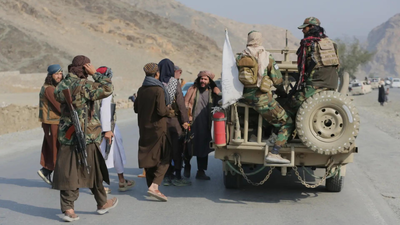
India was closely monitoring the situation as Afghanistan and Pakistan seemed poised for a dangerous escalation, with Islamabad declaring that the two countries were in an “open war” following Pakistan’s airstrikes on “terrorist hideouts” in Afghanistan and the latter’s retaliatory action. The relationship between Pakistan and Afghanistan has unravelled dramatically in the past few years. Pakistan has blamed Tehreek-i-Taliban (TTP) or Pakistan Taliban for terrorist attacks on its soil and on several occasions launched targeted strikes against TTP. According to Islamabad, Baloch insurgents also find sanctuary in Afghanistan. Kabul has mostly responded with what it calls necessary and measured military action.On this occasion though, Pakistan has directly targeted not just the terrorist infrastructure but also Afghanistan military facilities in Kabul and other cities.
India’s own ties with the Taliban have seen a stunning turnaround during this period, initially on the back of its large-scale humanitarian aid to Kabul and now the commitment to fulfil the development needs of the Afghan people, circumventing the lack of international recognition for the regime. India’s response so far to the Pakistan-Afghanistan crisis has been a manifestation of this new reality that Islamabad must contend with. India has continued to maintain that Pakistan’s cross-border adventurism resulting in civilian casualties is nothing but a ploy to deflect attention from its domestic failures. India also strongly backs Afghanistan’s sovereignty, territorial integrity and independence. The Taliban reciprocated to these gestures as they endorsed, much to Pakistan’s chagrin, a mention of J&K as a part of India in a joint statement issued after Afghanistan foreign minister Amir Khan Muttaqi’s visit to India last year in Oct.However, while an antagonistic relationship between the two countries allays fears about Pakistan’s longstanding policy of using Afghanistan for strategic depth, a major military escalation that would imperil regional stability is more than what India would bargain for. In fact, it would come at the least opportune time for India as New Delhi, after a period of relative peace, looks to resume development work in the country.Importantly, India is considering an offer from the Taliban to invest in the mining sector, something which China is already actively pursuing. India is also looking to work with Afghanistan on hydroelectric projects. For India, this is the time to reap the benefits of a strong working relationship it has built with the Taliban and a regional war, or its possible spillover effects like a humanitarian or refugee crisis, will likely stymie India’s nascent but expanding footprint in a Taliban-ruled Afghanistan.


