
PTI photo NEW DELHI: A high-level committee on demographic changes, constituted recently under Justice (retd) Prakash Prabhakar Naolekar, will visit metropolitan areas and industrial towns, apart from border areas, as part of its assignment to examine the nature, causes and impact of demographic changes across the country, including due to illegal immigration. It will recommend policy, administrative and legal frameworks to address the issue in a time-bound manner.Home minister Amit Shah Saturday chaired a meeting with senior MHA officials to review arrangements for proper facilitation of the committee.The first meeting of the panel has already been convened and its agenda formulated. “MHA will provide logistical and other necessary support for proper functioning of the committee,” a ministry official said.According to a source, many illegal immigrants, particularly Bangladesh, have over the years travelled further to metropolitan areas and towns with a heavy concentration of industries. The onward journey usually takes place after securing identity documents like Aadhaar cards from tout networks and illegal agents.While notifying the panel last month, MHA had said demographic changes were visible in certain regions that were not attributable to normal fertility or mortality trends but emerging due to “external abnormal factors such as illegal immigration, irregular population mobility and administrative laxity”. It added that the demographic changes, though concentrated in border regions, now also affect urban centres, industrial corridors, tribal regions and other socially and economically sensitive areas. This, it said, was impacting public service delivery, local governance, resource distribution and social cohesion.The panel, tasked with recommending a permanent operational system for legal, fair and time-bound identification, detention, and deportation of illegal immigrants, comes at a time when BJP is in office in the infiltration-prone states of Assam, Tripura and West Bengal. It has been given a year to submit its final report.Get the latest India news and live updates. Download the TOI App.About the AuthorBharti JainBharti Jain is senior editor with The Times of India, New Delhi. She has been writing on security matters since 1996. Having covered the Union home ministry, security agencies, Election Commission and the ‘prime’ political beat, the Congress, for The Economic Times all these years, she moved to TOI in August 2012. Her repertoire of news stories delves into the whole gamut of issues related to terrorism and internal strife, besides probing strategic affairs in India’s neighbourhood.Read MoreEnd of ArticleFollow Us On Social MediaVideosCong Leaders Demand Accountability, Apology From US After Three Indian Sailors Killed In StrikeRubio Tells EAM All Vessels Must Follow US Orders In Hormuz; India Protests Death Of 3 MarinersKalyan Banerjee Targets Rebel TMC Leaders: ‘If TMC Wins In 2029, Will They Resign?’Joint Tribes’ Council Accuses Kuki Cadres Of Killing Six Naga Captives, Seeks Immediate ArrestsCentre’s High-Level Committee On Demographic Changes Begins Work With Focus On Border RegionsYogi Orders FIR Over Remarks on Akhilesh’s Daughter, Says No Insult Against Women Is AcceptableHyderabad Cadet Nidhi Makes History With AIR 6, Fulfills Father’s Dream Of Serving The NationAssam Notifies New Excise Rules With Stricter Liquor Norms And Support For Indigenous BeveragesGovernment Appoints Lt Gen Dhiraj Seth As Next Army Chief, To Take Charge On June 30India, France Expected To Deepen Defence Cooperation With Focus On Submarines And Fighter Jets123Photostories6 most prestigious residential neighbourhoods in Thane for homebuyersNot every cancer begins with pain: Doctors reveal the everyday symptoms people often ignore for too longCrossover of Imtiaz Ali’s characters: Director says at a dinner table, ‘Geet will make bad order; Tara will help’ – Exclusive7 social skills that can help children become confident and make friends easily5 ancient temples in Karnataka that are architectural marvelsLong before becoming the world’s first trillionaire, Elon Musk survived on hot dogs and oranges for $1 a day in CanadaWhat people who stay healthy into their 80s do differently every day5 signs life’s hardest phase is finally behind you5 animals that are often called the world’s dumbestHave you done the “sun test” before investing in a house123Hot PicksHardeep SinghUS Trade DealBullet Train ProjectBeijing ProtestYogi AdityanathPM ModiSpaceX IPORohit SharmaFortnite Gold Sprite Power Hour Start TimingTop TrendingAsha Sharma Net WorthUPSC Prelims ResultSpaceX IPOFIFA World Cup 2026Women T20 World CupPune Techie SuicideAbhishek BanerjeeComedian PranitTMC Leader Kunal GhoshCBSE Class 10 Second Board Result

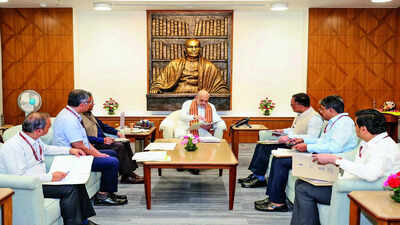
NEW DELHI: A high-level committee on demographic changes, constituted recently under Justice (retd) Prakash Prabhakar Naolekar, will visit metropolitan areas and industrial towns, apart from border areas, as part of its assignment to examine the nature, causes and impact of demographic changes across the country, including due to illegal immigration. It will recommend policy, administrative and legal frameworks to address the issue in a time-bound manner.Home minister Amit Shah Saturday chaired a meeting with senior MHA officials to review arrangements for proper facilitation of the committee.The first meeting of the panel has already been convened and its agenda formulated. “MHA will provide logistical and other necessary support for proper functioning of the committee,” a ministry official said.According to a source, many illegal immigrants, particularly Bangladesh, have over the years travelled further to metropolitan areas and towns with a heavy concentration of industries. The onward journey usually takes place after securing identity documents like Aadhaar cards from tout networks and illegal agents.While notifying the panel last month, MHA had said demographic changes were visible in certain regions that were not attributable to normal fertility or mortality trends but emerging due to “external abnormal factors such as illegal immigration, irregular population mobility and administrative laxity”. It added that the demographic changes, though concentrated in border regions, now also affect urban centres, industrial corridors, tribal regions and other socially and economically sensitive areas. This, it said, was impacting public service delivery, local governance, resource distribution and social cohesion.The panel, tasked with recommending a permanent operational system for legal, fair and time-bound identification, detention, and deportation of illegal immigrants, comes at a time when BJP is in office in the infiltration-prone states of Assam, Tripura and West Bengal. It has been given a year to submit its final report.


