
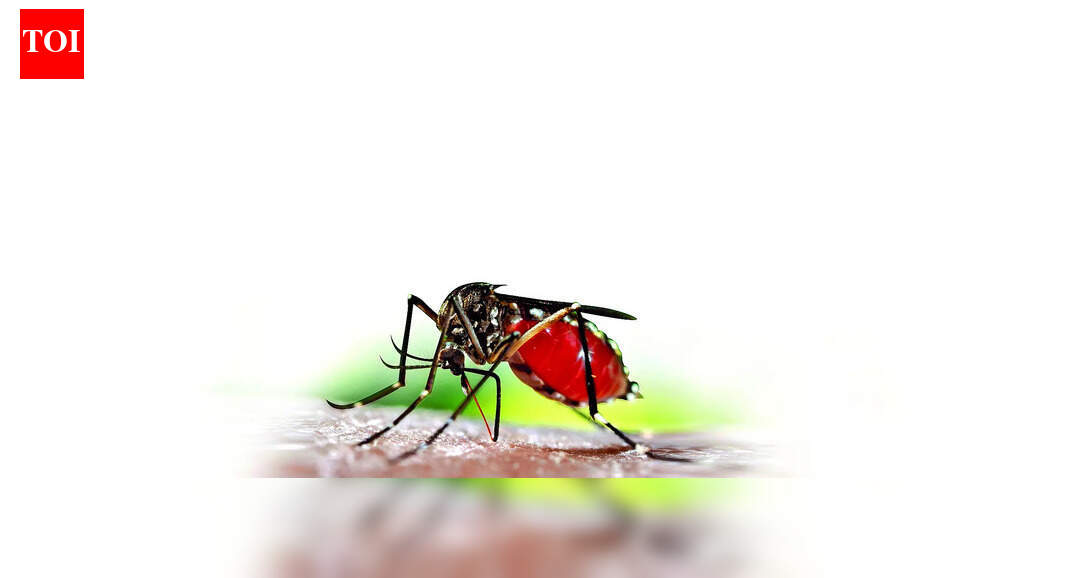
India shoulders a significant malaria burden in Southeast Asia, despite regional progress. While cases have dropped dramatically, millions remain at risk, particularly in remote areas. Aggressive interventions have driven down incidence, but challenges like drug resistance and outbreaks in forest regions persist. India’s progress marks a major shift towards elimination. Representative image NEW DELHI: India remains the centre of malaria transmission in the WHO South-East Asia Region, accounting for 73.3% of all estimated cases and nearly 89% of malaria deaths in 2024, even as the region records one of the world’s steepest declines in malaria, World Malaria Report 2025 showed.The region logged 4.79 lakh cases in 2024 — a 65.7% fall since 2015 — and just 99 reported deaths, but WHO estimates indicated a far larger burden of 2.7 million cases and 3,900 deaths, with India driving most infections and fatalities.Despite this dominance, India remains on track to meet the 2025 Global Technical Strategy goal of a 75% drop in incidence, having crossed a 70% reduction by 2024. Most districts continue to report sustained declines, tho-ugh localised outbreaks in forest belts and cross-border spillover from Nepal persist as major challenges.Children under 5 accounted for 8.7% of cases and 18% of deaths, while P.vivax, notoriously difficult to eliminate, caused nearly two-thirds of infections. The report credits the gains to aggressive interventions — large insecticide-treated net drives in India, Myanmar and Nepal; 143% growth in rapid testing since 2015; and 100% treatment coverage. Low-level pfhrp2/3 gene deletions were detected in India, but treatment failure for key ACTs remained below 5%, indicating continued drug efficacy.A key milestone highlighted was India’s exit from High Burden to High Impact group in 2024, marking its shift from a global high-burden nation to one nearing elimination in several states — a transformation few countries have achieved at this scale. Bhutan, Sri Lanka and Timor-Leste are malaria-free. WHO warns drug resistance, climate-related outbreaks and declining international funding threaten global progress.Dr Sunil Rana of Asian Hospital said malaria persists in India because timely healthcare fails to reach tribal and forest communities. “Longer mosquito-breeding seasons, delayed care-seeking, weak surveillance and unchecked migration through border zones keep outbreaks alive,” he said.About the AuthorAnuja JaiswalAnuja Jaiswal is a Senior Assistant Editor at The Times of India, with an impressive 18-year career in narrative journalism. She specializes in health and heritage reporting, expertly simplifying complex health information to make it engaging and understandable for readers. Her deep dives into heritage topics are well-researched, resulting in captivating narratives that resonate with her audience. Over the years, she has worked in Chandigarh, Chhattisgarh and West UP, gaining diverse on-ground experience that shapes her storytelling.Read MoreEnd of ArticleFollow Us On Social MediaVideos”Next Year in Russia…” Deputy PM Manturov Urges Indian Companies to Expand Bilateral Trade”Ordinary Indians Pay Price” Rahul Gandhi Calls Indigo Chaos The ‘Cost Of Monopoly Model’India, Russia Renew Call for Inclusive UN Security Council Structure: MEAPutin Says Russia Didn’t Come Only for Energy, Seeks Bold Multifaceted Partnership with IndiaCentre Orders High-Level Probe As IndiGo Flight Operations Set To Normalise In 3 DaysImran Khan Tagged ‘Security Threat’ As Pakistan Army Launches Fiercest Public Attack In Years‘Not Here Only For Energy’: Putin Seeks Broader India-Russia PartnershipPM Modi Urges Putin To Build New Economic Axis As India Becomes Emerging Skilled Capital Of WorldSpiceJet Chairman Ajay Singh Calls IndiGo Crisis ‘Unfortunate’, Offers 100 Extra FlightsPakistan Supports China’s Arunachal Lie As Putin Meets Modi Amid Major India Russia Cooperation123PhotostoriesRajesh Khanna-Dimple Kapadia, Saif Ali Khan-Kareena Kapoor Khan; Bollywood marriages spanning age gapsLifestyle expert shares five ‘safe’ ways to drink alcohol if at all one should8 common mistakes people make while making rotis and easy fixes9 fiber-rich dishes made with flattened rice (poha) for breakfastBigg Boss 19: Shehbaz Badesha calls Tanya Mittal fake and irritating; breaks silence on father being trolled for ‘overly friendly’ behaviour with female contestantsAdrian Chiles’ skin cancer diagnosis: How he spotted the symptoms that made all the differenceHow Bhagavad Gita can heal unknown childhood trauma and unlock blockages for success in lifeNutrition fact of the day: Greek yogurt has twice the protein of regular yogurt5 clever animals that deceive predators by playing dead10 protein- and fiber-rich broccoli and egg dishes under 20 minutes for bachelors123Hot PicksIndigo Flight DelayPutin India VisitWorld NewsGold rate todaySilver rate todayPublic Holidays NovemberBank Holidays NovemberTop TrendingLos Angeles Lakers vs Boston CelticsNBA trade RumorsOmarion HamptonCandace OwensAryna SabalenkaTrey BensonTravis KelceGeorge PickensStefon DiggsTaylor Swift

NEW DELHI: India remains the centre of malaria transmission in the WHO South-East Asia Region, accounting for 73.3% of all estimated cases and nearly 89% of malaria deaths in 2024, even as the region records one of the world’s steepest declines in malaria, World Malaria Report 2025 showed.The region logged 4.79 lakh cases in 2024 — a 65.7% fall since 2015 — and just 99 reported deaths, but WHO estimates indicated a far larger burden of 2.7 million cases and 3,900 deaths, with India driving most infections and fatalities.Despite this dominance, India remains on track to meet the 2025 Global Technical Strategy goal of a 75% drop in incidence, having crossed a 70% reduction by 2024. Most districts continue to report sustained declines, tho-ugh localised outbreaks in forest belts and cross-border spillover from Nepal persist as major challenges.Children under 5 accounted for 8.7% of cases and 18% of deaths, while P.vivax, notoriously difficult to eliminate, caused nearly two-thirds of infections. The report credits the gains to aggressive interventions — large insecticide-treated net drives in India, Myanmar and Nepal; 143% growth in rapid testing since 2015; and 100% treatment coverage. Low-level pfhrp2/3 gene deletions were detected in India, but treatment failure for key ACTs remained below 5%, indicating continued drug efficacy.A key milestone highlighted was India’s exit from High Burden to High Impact group in 2024, marking its shift from a global high-burden nation to one nearing elimination in several states — a transformation few countries have achieved at this scale. Bhutan, Sri Lanka and Timor-Leste are malaria-free. WHO warns drug resistance, climate-related outbreaks and declining international funding threaten global progress.Dr Sunil Rana of Asian Hospital said malaria persists in India because timely healthcare fails to reach tribal and forest communities. “Longer mosquito-breeding seasons, delayed care-seeking, weak surveillance and unchecked migration through border zones keep outbreaks alive,” he said.


