
Forest & Environment Department, Sikkim Govt, and WWF-India NEW DELHI: In what represents only the second photographic record of Eurasian lynx — a medium-sized wild cat distinguished by its characteristic ear tufts and short tail — in the entire eastern Himalayan region, the species was photographed by a camera trap deployed at 5,250 metres on the Tso Lhamo plateau in Mangan district.This finding follows the first-ever photographic record of the Eurasian lynx in Arunachal Pradesh in 2025, documented during a joint survey by WWF-India and the environment department of the Arunachal Pradesh govt.“Following our 2025 record in Arunachal Pradesh, the Sikkim record confirms that the Eurasian lynx has a broader presence in the eastern Himalayas than was previously understood. What we are documenting at Tso Lhamo is not a single-species occurrence; it is a high-altitude ecosystem of exceptional conservation value,” said Rishi Kumar Sharma, head of the Himalayas Programme, WWF-India.The photograph of Eurasian lynx was captured in January as part of a long-term snow leopard and rangeland monitoring programme jointly led by the forest and environment department of the Sikkim govt and WWF-India.“It highlights the ecological significance of our high-altitude rangelands and reinforces our commitment to protecting these fragile ecosystems,” said Udai Gurung, chief conservator of forests (wildlife), Sikkim, about the photograph that was retrieved last month.WWF-India noted that though anecdotal reports of the Eurasian lynx circulated in the region for years, the discovery provides the first confirmed photographic evidence of its presence in Sikkim.Get the latest India news and live updates. Download the TOI App.About the AuthorVishwa MohanVishwa Mohan is Senior Editor at The Times of India. He writes on environment, climate change, agriculture, water resources and clean energy, tracking policy issues and climate diplomacy. He has been covering Parliament since 2003 to see how politics shaped up domestic policy and India’s position at global platform. Before switching over to explore sustainable development issues, Vishwa had covered internal security and investigative agencies for more than a decade.Read MoreEnd of ArticleFollow Us On Social MediaVideosAs Takaichi Arrives In Delhi, Why India Refuses To Take Sides In The Japan-China StandoffCalcutta Stock Exchange To Be Revived: Bengal’s Push To Reposition Kolkata As Key Financial CentreAkhilesh Yadav’s Trusted Aide Kamal Akhtar Loses Key SP Post As UP’s Moradabad Turf War SpiralsOne Year After Operation Sindoor, 117 Indian And Pakistani Leaders Urge Peace And DialogueRam Temple Donation Theft: Police Reveal Alleged Inside Operation Behind Crores HeistJuly 1 Rule Changes Explained: Costlier Passports, Free Aadhaar Updates, EPFO And ITR DeadlinesWhy Thousands Are Visiting Lohagad Fort’s Alleged Murder Spot | ‘Siya Point’ |Dark Tourism ExplainedUS Supreme Court Rejects Trump’s Birthright Order, Big Relief For Indians In USBilawal Bhutto Accuses India Of ‘Weaponising’ Water Amid Indus Waters Treaty RowDelhi May Soon Get Its Own London Eye As DDA Revives Giant Observation Wheel Project123Photostories10 beautiful baby girl names inspired by the beauty of nature and their heartwarming meaningsFoaming face wash vs gel cleanser: Which one is better for your skin type?6 desi Indian foods that are better eaten at night than in the morningPsychology says parents who stay calm during tantrums help children learn emotional regulationPsychology says people-pleasing is a trauma response, and you don’t even know itFrom Naan to Khulcha: 12 popular Indian breads, their calories and what they taste best with8 Most beautiful train journeys in South India you should take at least onceAlia Bhatt and Sharvari Wagh rewrite promotional style rules with sharp denim cuts and a striking diamond ring6 lakes in India with clear, mirror-like water that deserves a visitKidney disease symptoms are often vague, says Mayo Clinic: These 8 signs can appear when your kidneys lose function123Hot PicksLPG gas priceCBSE best marks ruleNEET PG RegistrationRam Temple donation theftMumbai RainsNew visa ruleMarcus SmartNayara petrol priceHow to Watch FIFA World Cup TodayTop TrendingNayara energy petrol priceLPG priceKetan Agarwal Murder CaseFIFA World Cup 2026Monaco BlastBengaluru TechieAnukalp MishraSergei IvanovIndigo Check-in Bag FaresAyodhya Ram Temple Donation Theft

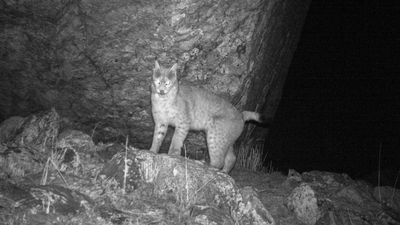
NEW DELHI: In what represents only the second photographic record of Eurasian lynx — a medium-sized wild cat distinguished by its characteristic ear tufts and short tail — in the entire eastern Himalayan region, the species was photographed by a camera trap deployed at 5,250 metres on the Tso Lhamo plateau in Mangan district.This finding follows the first-ever photographic record of the Eurasian lynx in Arunachal Pradesh in 2025, documented during a joint survey by WWF-India and the environment department of the Arunachal Pradesh govt.“Following our 2025 record in Arunachal Pradesh, the Sikkim record confirms that the Eurasian lynx has a broader presence in the eastern Himalayas than was previously understood. What we are documenting at Tso Lhamo is not a single-species occurrence; it is a high-altitude ecosystem of exceptional conservation value,” said Rishi Kumar Sharma, head of the Himalayas Programme, WWF-India.The photograph of Eurasian lynx was captured in January as part of a long-term snow leopard and rangeland monitoring programme jointly led by the forest and environment department of the Sikkim govt and WWF-India.“It highlights the ecological significance of our high-altitude rangelands and reinforces our commitment to protecting these fragile ecosystems,” said Udai Gurung, chief conservator of forests (wildlife), Sikkim, about the photograph that was retrieved last month.WWF-India noted that though anecdotal reports of the Eurasian lynx circulated in the region for years, the discovery provides the first confirmed photographic evidence of its presence in Sikkim.


