
2 of the judges on bench fault procedure for 2005 referral NEW DELHI: Two of the nine-judge SC bench – Justices Dipankar Datta and Ujjal Bhuyan – Thursday faulted the procedure adopted by a five-judge bench in 2005 to refer adjudication of the correctness of SC’s 1978 ruling giving wider meaning to ‘industry’ to a seven-judge bench and the latter’s reference in 2016 to a nine-judge bench.The case had an interesting genesis. Bangalore Water Supply and Sewerage Board had fined two employees for misconduct and deducted the fine amount from their salary in 1972. They had filed a claim petition under Industrial Disputes Act for recovery of the fine amount. The board said it cannot be categorised as industry. The Industrial Tribunal and Karnataka HC agreed with the employees.On an appeal, a seven-judge SC bench on Feb 21, 1978, gave the expansive meaning to industry. Such was the sweep of its ambit that almost everything – temples, universities, colleges, social forestry work and hospitals – came to be defined as industry and those working there got covered as workmen under Industrial Disputes Act, 1947. Finding the definition unacceptable, Parliament amended the definition of ‘industry’ in 1982, but the amendment was never notified making it a dead legislation. In 2020, Parliament enacted the Industrial Relation Code, which came into force from Nov 21, 2025, repealing Industrial Disputes Act, 1947.Get the latest India News and Live updates. Download the TOI app.End of ArticleFollow Us On Social MediaVideos‘NEET, Delimitation, Cauvery, Drugs’: Vijay’s Key Requests Before Amit Shah At Tamil Nadu MeetingPolicy Shift Or Just Words? Inside US Envoy Gor’s ‘Kashmir’ Remark That Rattled PakistanJharkhand High Court Stays Soren Govt’s Order To Cancel JPSC Exams, AppointmentsKangana Vs Ramdev: BJP MP Fires Back After Yoga Guru Questions Her Past And Controversial Remarks’Not Mahatma Gandhi’s Congress’: FULL Vande Mataram Rejected At INC Events, BJP Doubts ‘Loyalty’US Body Opposes Mohan Bhagwat’s Visit, Seeks Sanctions on RSS Members Over Religious Freedom ClaimsDJB Tender Scam Row: AAP Questions Why Raghav Chadha Was Never Questioned By InvestigatorsMaharashtra’s Power Shift: Fadnavis Can Now Reverse Ministerial Decisions In Public InterestIndia Removes Pakistan Mission Barricades After Islamabad Move, Tensions Rise Over Kashmir RemarksModi Govt’s Gen-Z Outreach: One Union Minister To Visit One University Daily123PhotostoriesHow to look expensive without spending a lot of moneyFrom money plants to shankh: 5 Vastu items believed to bring good luck and positivity at homeHow much walking can reverse the health risks of sitting for 8 hours a day? Doctor explains what your body needsWhy does homemade curd turn slimy during monsoon and 3 ways to prevent itThe history of the white shirt: How a simple staple became the ultimate fashion icon10 enchanting baby girl names inspired by fantasy, mythology and folkloreSugar price hike by Rs 8 per kg: 9 natural Indian sweeteners and how to use themOptical illusion personality test: The first thing you spot reveals what’s coming next in your lifeIs apple cider vinegar good for your hair? Benefits, side effects, and the right way to use it10 One Piece characters who have lived for more than a 100 years123Hot PicksPeru EarthquakeConnor McDavidGTU results 2026Pennsylvania plane crashOil export IndiaFaceless assessmentRSS sanctionZepto internshipPakistan High CommissionTop TrendingHyderabad MurderPakistan High CommissionTwisha SharmaKarnataka MurderKerala MurderAbhijeet DipkeSukesh ChandrashekharRahul GandhiBengaluru RapidoBen Gvir

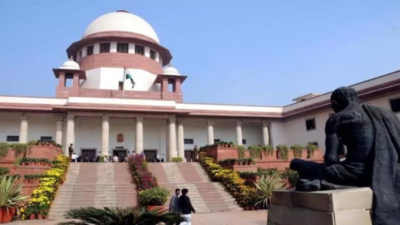
NEW DELHI: Two of the nine-judge SC bench – Justices Dipankar Datta and Ujjal Bhuyan – Thursday faulted the procedure adopted by a five-judge bench in 2005 to refer adjudication of the correctness of SC’s 1978 ruling giving wider meaning to ‘industry’ to a seven-judge bench and the latter’s reference in 2016 to a nine-judge bench.The case had an interesting genesis. Bangalore Water Supply and Sewerage Board had fined two employees for misconduct and deducted the fine amount from their salary in 1972. They had filed a claim petition under Industrial Disputes Act for recovery of the fine amount. The board said it cannot be categorised as industry. The Industrial Tribunal and Karnataka HC agreed with the employees.On an appeal, a seven-judge SC bench on Feb 21, 1978, gave the expansive meaning to industry. Such was the sweep of its ambit that almost everything – temples, universities, colleges, social forestry work and hospitals – came to be defined as industry and those working there got covered as workmen under Industrial Disputes Act, 1947. Finding the definition unacceptable, Parliament amended the definition of ‘industry’ in 1982, but the amendment was never notified making it a dead legislation. In 2020, Parliament enacted the Industrial Relation Code, which came into force from Nov 21, 2025, repealing Industrial Disputes Act, 1947.


