
A Zambian community is turning human waste from dry toilets into fertiliser as farmers struggle with declining soil fertility

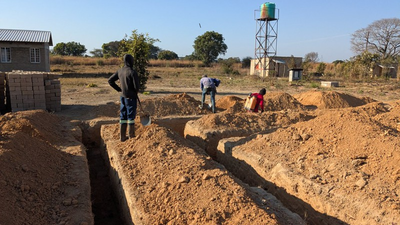
In Kashitu, Zambia, a project implemented by Přátelé New Renato and New Renato Community Society, with support from the Czech-UNDP Partnership for the SDGs, is piloting a sanitation system that turns human waste into fertiliser as farmers face rising fertiliser costs and declining agricultural productivity. The project uses urine-diverting dry toilets and composting to turn human waste into a resource for local agriculture. According to the Czech-UNDP Partnership for the Sustainable Development Goals, the initiative also includes practical training, demonstration plots, educational outreach and a local Sanitation Club to support maintenance and community ownership. Before activities began, the project team surveyed 500 households, finding strong interest in ecological sanitation, high demand for affordable fertiliser and a need for practical training.
How is Zambia turning human waste into fertiliser
Many households in the area rely on pit latrines, while farmers are dealing with rising fertiliser costs and decreasing agricultural productivity. The ecological sanitation system is designed to demonstrate how human waste can be safely transformed into fertiliser for local agriculture.Before the project began, the project team surveyed 500 households to understand community needs. The Czech-UNDP Partnership reported that the survey showed strong interest in ecological sanitation, high demand for affordable fertiliser and a need for practical training. These findings informed the project’s combination of sanitation technology, training and awareness-raising activities.
How do dry toilets turn waste into fertiliser
The project uses urine-diverting dry toilets alongside composting as part of its sanitation–fertiliser system. Community members are being taught how the systems work, how they can be maintained and how the resulting fertiliser can be used safely and effectively.The initiative is not limited to installing sanitation infrastructure. It also includes demonstration plots and educational outreach so that community members can learn about the system and its agricultural use. The Czech-UNDP Partnership describes the approach as a way of connecting improved sanitation with sustainable farming and making use of resources available within the community.
How is the Sanitation Club supporting the community
A local Sanitation Club has also been established as part of the project. According to the Czech-UNDP Partnership, the club is intended to support maintenance, knowledge-sharing and community outreach, helping the approach continue beyond the project period.The project therefore combines sanitation infrastructure with training and community involvement. The initiative is exploring how “practical, locally led solutions” can help communities make better use of available resources while addressing multiple challenges. The project is supported through the Czech-UNDP Partnership for the SDGs Challenge Fund.


