
Rescue operations in Tung Wali Behak, Kashmir. Dec 2017 Jan 2018 When Hemant Sachdev fell into a crevasse on Mount Everest, he didn’t just escape with his life — he came back with a missionThe Khumbu Icefall on Mount Everest is one of the most treacherous stretches of terrain on the planet. In May 2013, mountaineer Hemant Sachdev found himself dangling over an abyss held by a single rope on that very stretch.“In that moment, my entirelife flashed before my eyes,” says Sachdev, a veteran climber. “All I could see was blood.” Fortunately for Sachdev, his fellow climber was an experienced rescuer who had been keeping an eye on Sachdev. When he lost sight of Sachdev for over a minute, he turned back immediately and somehowmanaged to find him. The climber pulled him out with swift precision and the four-member team managed to summit Everest.| Later, a shaken Sachdev sat alone at the most “incredible place” in the world, savouring life anew. But that bone-chilling moment of staring death in the faceremained with him. Two years later,a news bulletin about soldiers buried under an avalanche at Siachen — the world’s highest battlefield — revived the memory of his fortuitous escape. “I kept thinking to myself that if I could be rescued in a place like Mount Everest, why can’t these soldiers be?” he says. “Climbers go for their sense of pleasure, their own achievement. It’s narcissistic, in some sense. But the soldiers are doing it out of a sense of duty.”Whenhe first proposed the idea of a civilian mountain rescue foundation for the Indian Army, it was met with disbelief. After all, wasn’t the Indian Army the one rescuing people from every disaster and storm? But things finally fell in place, and the Tiranga Mountain Rescue was founded in 2016. A decade later, the non-profit operates 16 teams across the country’s most sensitive mountain postings — from Siachen to Kargil, Tawang to Gurez — deploying 48 full-time professional rescuers. The results are there for all to see. “Earlier, there used to be an average of 40-50 deaths a year,” he says. The defence forces lose more soldiers due to non-combat reasons like avalanches, landslides and ailments than in combat. “In the last three years, casualties have come down to zero,” adds Sachdev.What makes the foundation’s work effective is not just the active rescues, but also preventive work to keep soldiers safe. “Last season, we went to over 400 posts to analyse every route, weather patterns, possibilities of disaster, and to advice and train soldiers,” he says. When rescues do happen, they are often against the clock in the most literal sense. Sachdev describes a 2022 incident in Tawang where seven soldiers had been buried by an avalanche, and could not be located even after two full days of searching. Eventually, the Tiranga rescue team was called in to recover the bodies so that the unit and families have a sense of closure. A helicopter dropped his team at the scene of the disaster and within hours of landing, they had found the soldiers.His team was also called upon in March this year to rescue tourists trapped inside multiple vehicles after an avalanche hit Zoji La Pass. Twelve civilians were trapped; seven others in surrounding areas had already died. His team mobilised immediately, beating challenges of dehydration, cold and precarious weather. Tiranga has since been involved in rescues for the Wayanad landslide in 2024 and the Uttarakhand glacier burst in 2021. With rescue operations in full swing after another landslide hit Wayanad on Tuesday, the death toll already 6 and mounting, Sachdev’s philosophy that began on an icy ledge above the world begins to make more sense. “The most dangerous place in the mountains is only as dangerous as your ability to rescue,” he says.Get the latest India news and live updates. Download the TOI App.About the AuthorHimanshi DhawanHimanshi Dhawan is a Senior Editor with The Times of India with 25 years of experience in reporting on politics, social sector, gender and marginalised communities. Her writing spans issues related to human rights violations, and looking at health, education, and livelihoods from a gendered lens. In recognition for her reporting she has received the UNFPA-Population First Laadli award for gender sensitive reporting in 2010-11. She has also been the recipient of the Edward Murrow Fellowship (2007) by the US State Department’s International Visitor Leadership Program. She has studied English Literature at St Stephen’s College, DU and completed her post-graduation in mass communication from Sophia College, Mumbai.Read MoreEnd of ArticleFollow Us On Social MediaVideos’You Will Have To Kill Me’: Mamata’s Defiant Message As TMC Faces Major RebellionIRCTC Rolls Out Beta Website With Simpler Booking Experience; 4 Key Changes Explained’She Pleaded For Help, No One Listened’: What The CCTV Reveals About Jaipur Schoolgirl’s DeathIgnored Warnings Or Natural Calamity? Kerala Orders Probe Into Wayanad Landslide Tragedy’Exam Paper Came A Night Before’: UGC-NET Leak Trail, Whistleblower Tells His Story | WatchUP Government Transfers 20 IAS Officers In Major Bureaucratic Reshuffle Across DepartmentsDefence, Energy, Education: 18 Big Outcomes Of PM Modi’s Australia VisitGurugram Gunfight Leaves Four Gang Members Dead After Massive Exchange Of Fire With PoliceCalcutta HC Allows TMC To Operate Frozen Accounts, Questions Police’s Swift Action3 Ex-TMC MPs Join BJP, Get Rajya Sabha Tickets Within Hours | West Bengal | Mamata Banerjee123Photostories10 baby names that mean “miracle” in different cultures6 stunning red birds in India and where to find themIf your child says these 7 phrases often, psychologists say they’re asking for connectionAre you accidentally damaging your kidneys? Doctor reveals the common daily mistakes that can lead to silent kidney diseaseSreeleela and Kalyani Priyadarshan ace the Wimbledon dress code with timeless London fashion5 natural alternatives to collagen supplements for healthy hair and skinRed vs green vs yellow bell peppers: Who wins the nutrition face-off?7 Animals that eat bees without letting stings stop themLock Upp 2: From Ram Kapoor’s lavish villa to Shivangi Joshi’s dreamy Dehradun home, a look at the luxurious properties of the inmatesNo botox, no expensive creams: Here’s how Japanese women stay young for decades and what we can learn from them123Hot PicksSIRBlake LivelyGurgaon EncounterCM VijayAlex PereiraPM ModiAssam BudgetStrait of HormuzSimone BilesTop TrendingGurgaon MonsoonAMU Seerat CertificateTelangana Techie Wife MurderFIFA World Cup 2026Weather TodayTS EAMCET Phase 1 seat allotmentRamesh MhatreDelhi NCR rainGurgaon EncounterIran war

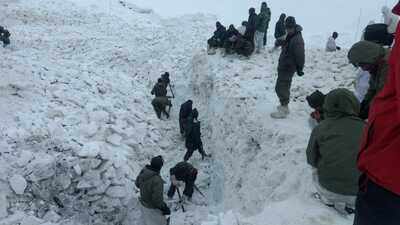
When Hemant Sachdev fell into a crevasse on Mount Everest, he didn’t just escape with his life — he came back with a missionThe Khumbu Icefall on Mount Everest is one of the most treacherous stretches of terrain on the planet. In May 2013, mountaineer Hemant Sachdev found himself dangling over an abyss held by a single rope on that very stretch.“In that moment, my entirelife flashed before my eyes,” says Sachdev, a veteran climber. “All I could see was blood.” Fortunately for Sachdev, his fellow climber was an experienced rescuer who had been keeping an eye on Sachdev. When he lost sight of Sachdev for over a minute, he turned back immediately and somehowmanaged to find him. The climber pulled him out with swift precision and the four-member team managed to summit Everest.|
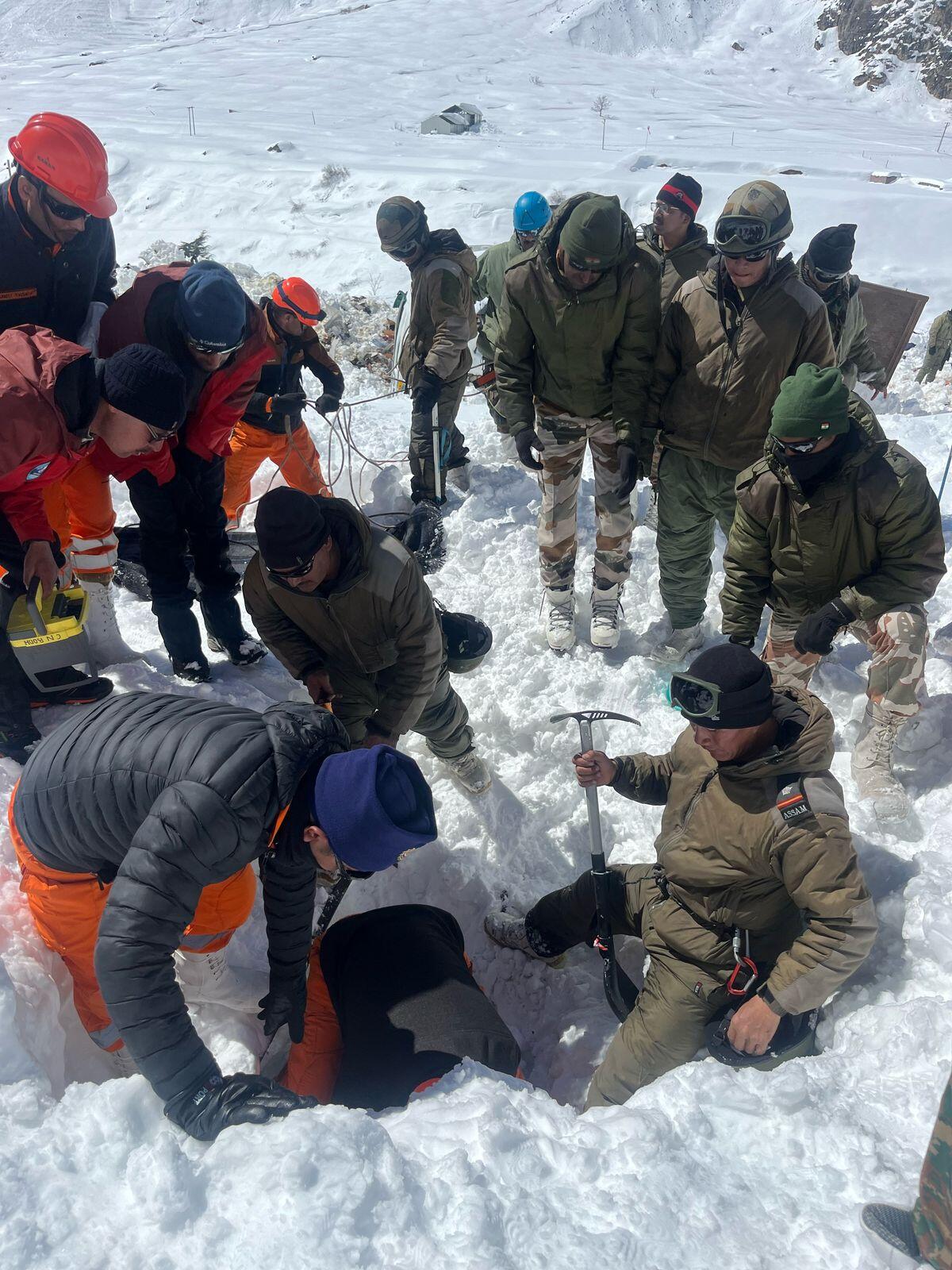
Later, a shaken Sachdev sat alone at the most “incredible place” in the world, savouring life anew. But that bone-chilling moment of staring death in the faceremained with him. Two years later,a news bulletin about soldiers buried under an avalanche at Siachen — the world’s highest battlefield — revived the memory of his fortuitous escape. “I kept thinking to myself that if I could be rescued in a place like Mount Everest, why can’t these soldiers be?” he says. “Climbers go for their sense of pleasure, their own achievement. It’s narcissistic, in some sense. But the soldiers are doing it out of a sense of duty.”Whenhe first proposed the idea of a civilian mountain rescue foundation for the Indian Army, it was met with disbelief. After all, wasn’t the Indian Army the one rescuing people from every disaster and storm? But things finally fell in place, and the Tiranga Mountain Rescue was founded in 2016.
A decade later, the non-profit operates 16 teams across the country’s most sensitive mountain postings — from Siachen to Kargil, Tawang to Gurez — deploying 48 full-time professional rescuers. The results are there for all to see. “Earlier, there used to be an average of 40-50 deaths a year,” he says. The defence forces lose more soldiers due to non-combat reasons like avalanches, landslides and ailments than in combat. “In the last three years, casualties have come down to zero,” adds Sachdev.What makes the foundation’s work effective is not just the active rescues, but also preventive work to keep soldiers safe. “Last season, we went to over 400 posts to analyse every route, weather patterns, possibilities of disaster, and to advice and train soldiers,” he says.
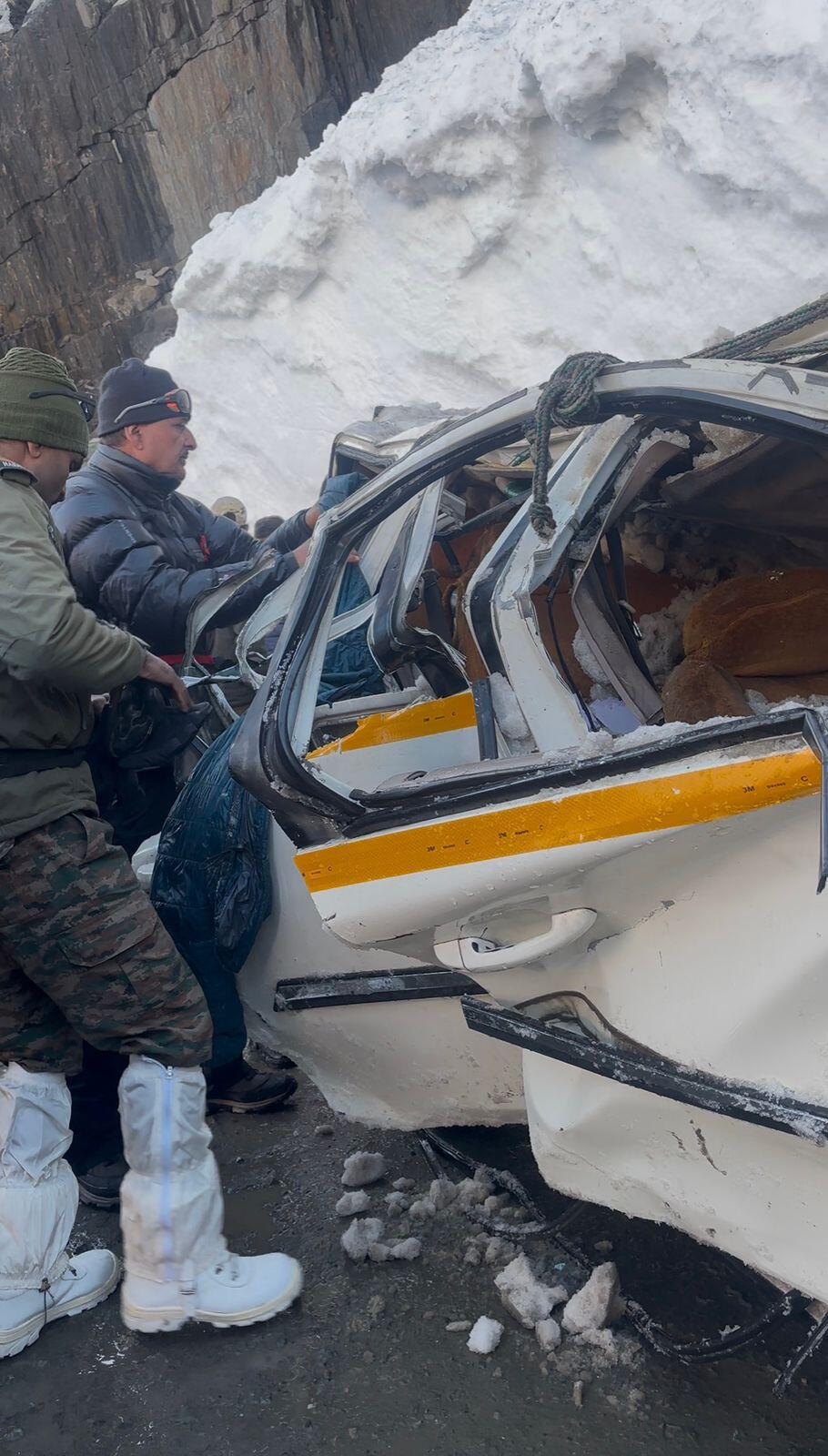
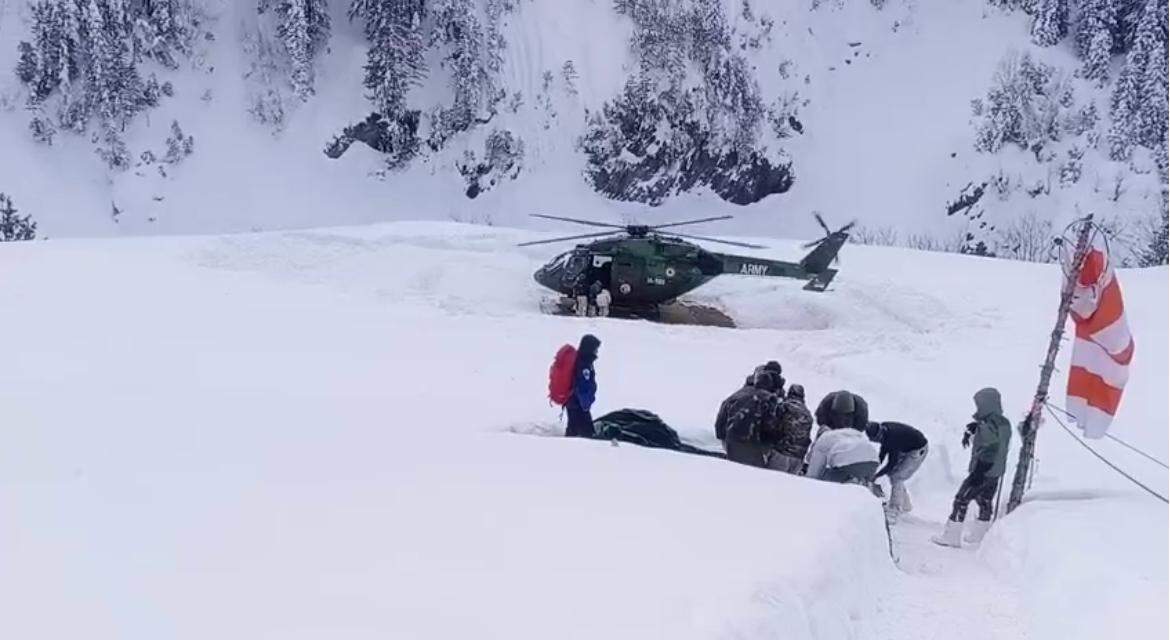
When rescues do happen, they are often against the clock in the most literal sense. Sachdev describes a 2022 incident in Tawang where seven soldiers had been buried by an avalanche, and could not be located even after two full days of searching. Eventually, the Tiranga rescue team was called in to recover the bodies so that the unit and families have a sense of closure. A helicopter dropped his team at the scene of the disaster and within hours of landing, they had found the soldiers.His team was also called upon in March this year to rescue tourists trapped inside multiple vehicles after an avalanche hit Zoji La Pass. Twelve civilians were trapped; seven others in surrounding areas had already died. His team mobilised immediately, beating challenges of dehydration, cold and precarious weather. Tiranga has since been involved in rescues for the Wayanad landslide in 2024 and the Uttarakhand glacier burst in 2021. With rescue operations in full swing after another landslide hit Wayanad on Tuesday, the death toll already 6 and mounting, Sachdev’s philosophy that began on an icy ledge above the world begins to make more sense. “The most dangerous place in the mountains is only as dangerous as your ability to rescue,” he says.


