
Why China is buying less Iranian oil – explained in charts

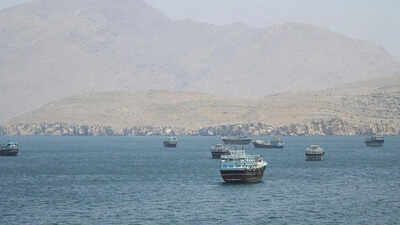
The Strait of Hormuz, just 29 nautical miles (54 km) wide at narrowest point may be one of the world’s most critical oil chokepoints. But as disruptions rattles the waterway, an unexpected trend is emerging, as China which is Iran’s biggest oil customer is buying significantly less crude.While Beijing continues to rely on Tehran for discounted oil, weaker domestic demand, refinery cutbacks, record stockpiles and the rapid rise of electric vehicles have reduced its need for fresh imports.The slowdown has become one of the biggest surprises in the global oil market. According to data from Kpler and Vortexa, China’s crude imports fell sharply in May, helping offset part of the supply shock caused by the near-closure of the Hormuz.
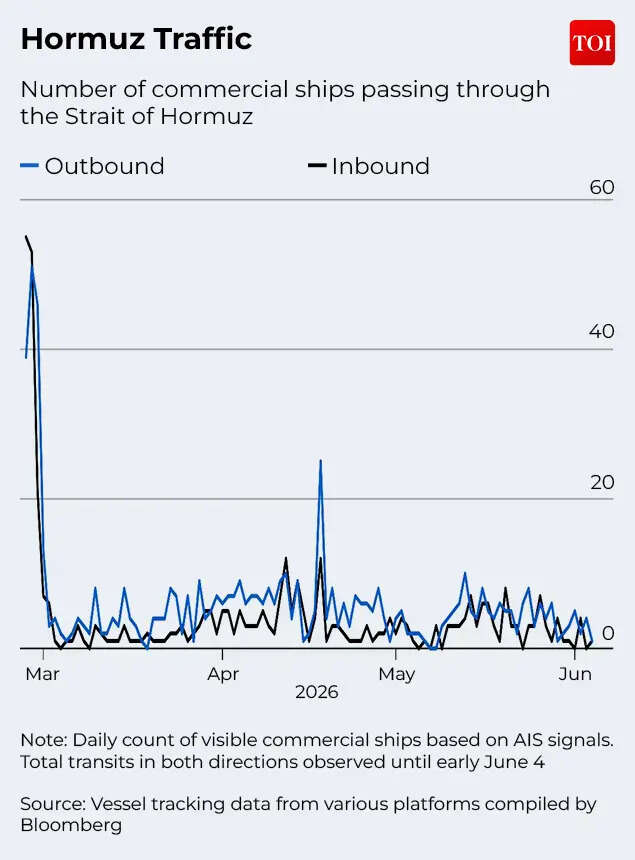
The world’s oil lifeline
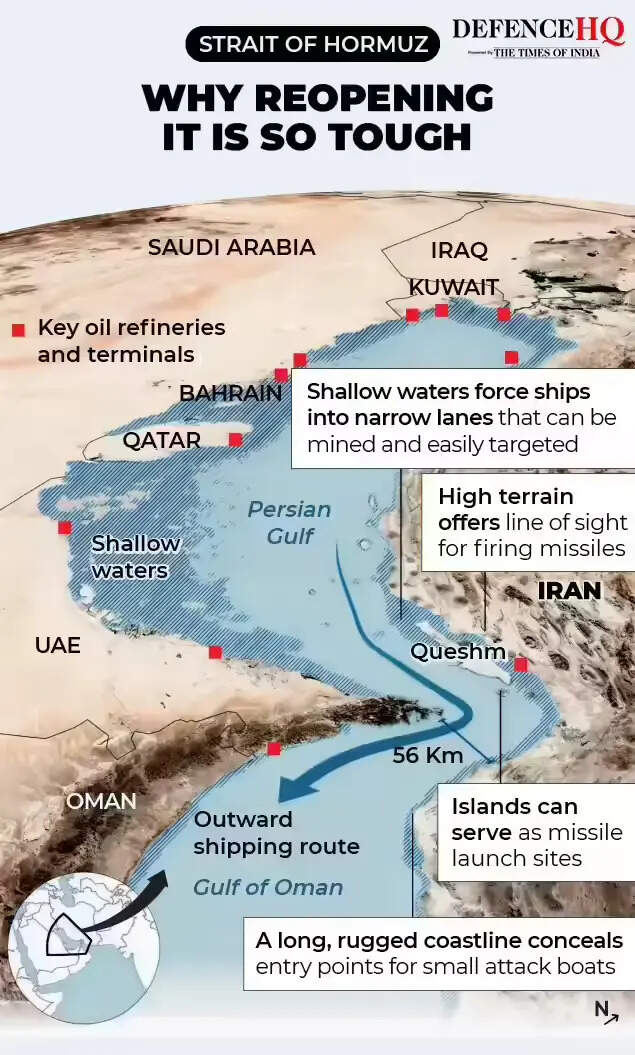
The Strait of Hormuz is a narrow waterway linking the Persian Gulf with the Arabian Sea. Bounded by Iran to the north and Oman and the United Arab Emirates to the south, the strait handles roughly a quarter of global seaborne oil trade.Countries including Iran, Iraq, Kuwait, Qatar and Bahrain rely heavily on it for exports, while Asian economies remain among its biggest customers.With limited alternative routes available, any disruption to traffic through Hormuz can have immediate consequences for global energy supplies and oil prices.
China’s imports fall to a decade low
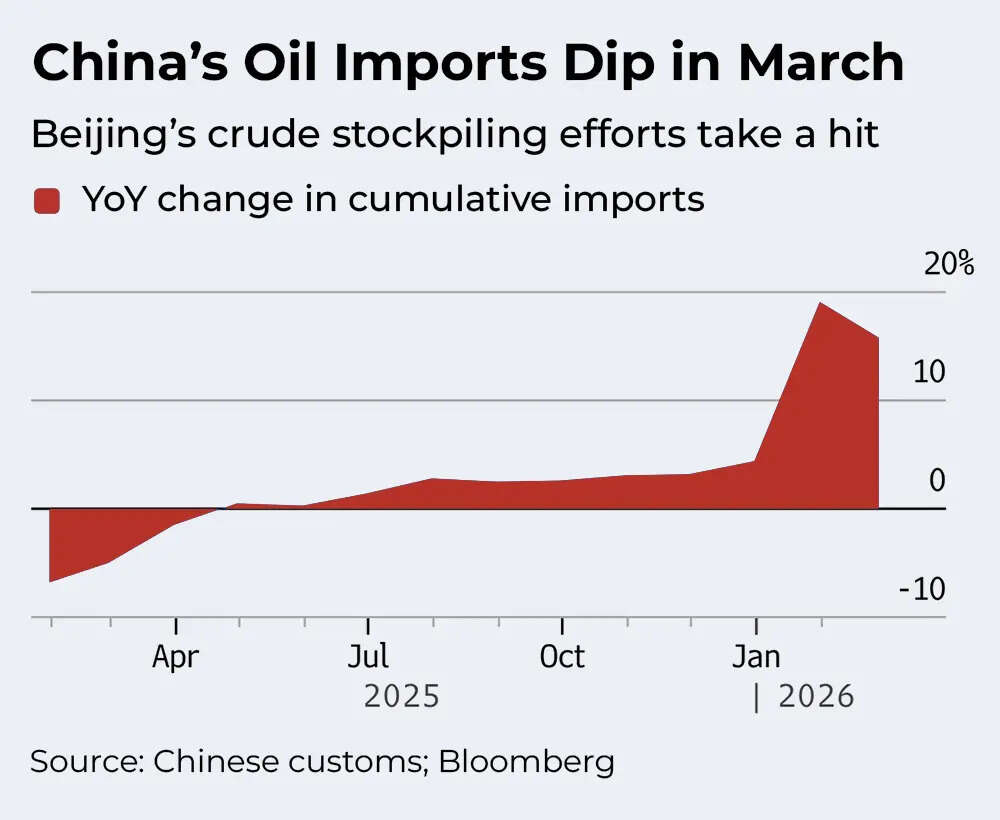
The conflict in the Middle East, which began on February 28, sent shockwaves through energy markets. Brent crude surged from around $70 per barrel before the conflict to above $125 at its peak.Although prices have since eased amid hopes of de-escalation, crude has largely remained elevated between $90 and $100 a barrel, keeping governments and businesses on edge.For China, which imports about 70% of the oil it consumes, the disruption initially raised fears of a major energy shock. However, instead of rushing to buy more oil, China cut purchases.
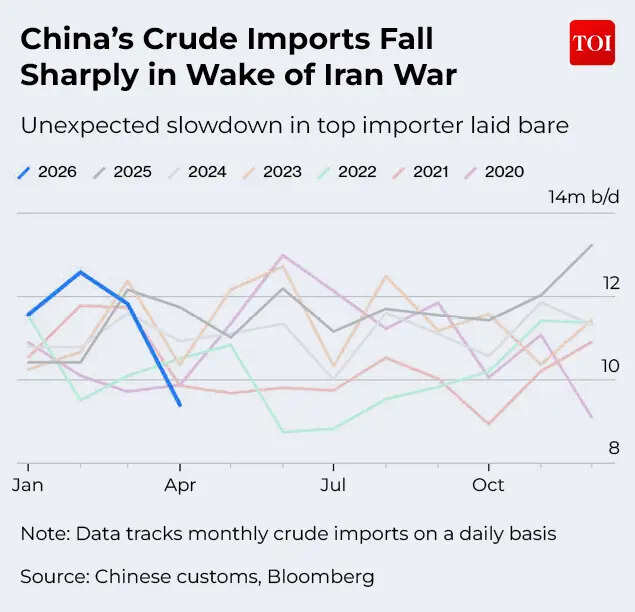
According to Kpler, China’s seaborne crude imports dropped to around 6.7 million barrels a day in May, the lowest level in nearly a decade. The country imported an average of about 10.4 million barrels a day throughout 2025 before the conflict.“This trend of lower Chinese buying could continue through the summer,” said Sumit Ritolia, lead analyst for refining supply and modelling at Kpler.Ship-tracking firm Vortexa estimated imports at between 7 million and 7.5 million barrels a day, still significantly below normal levels.The reduction has helped offset part of the global supply disruption caused by the conflict and the effective closure of Hormuz.
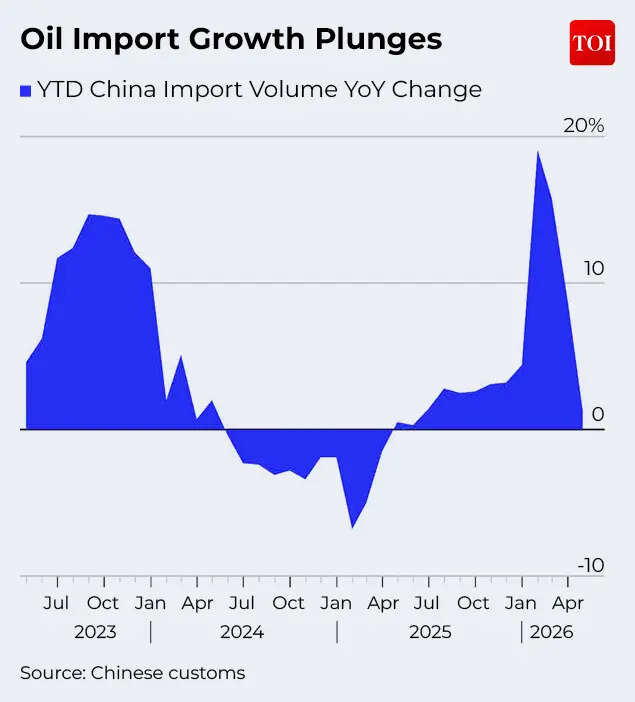
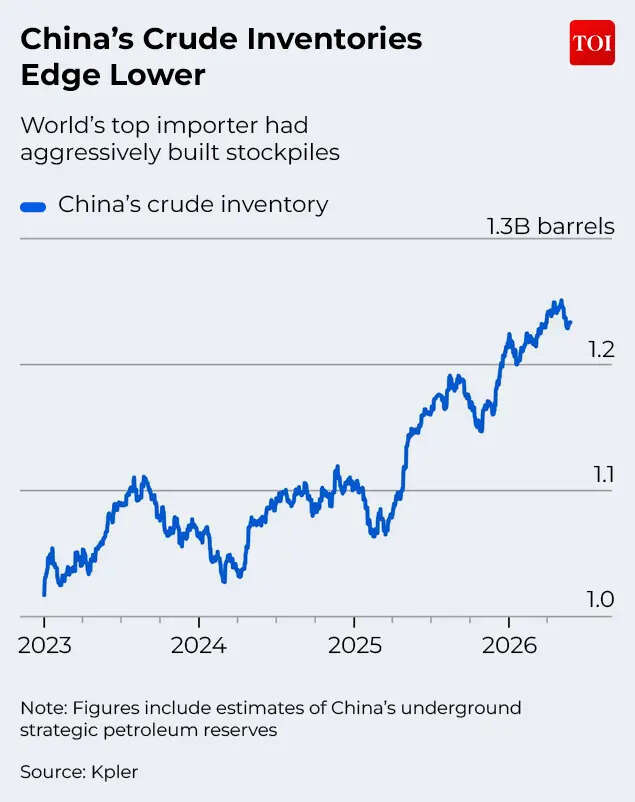
One reason China has been able to reduce imports is its massive oil stockpile. According to Reuters, China has accumulated enormous strategic and commercial reserves over the years. Combined inventories are estimated to exceed 1.2 billion barrels.Analysts estimate Chinese refiners have been drawing down inventories at roughly 1 million barrels per day in recent weeks to compensate for lower imports.China’s strategic petroleum reserves alone are believed to have increased by around 8 million barrels since the conflict began, according to Kpler estimates.“We cannot completely rule out some SPR utilisation,” Ritolia said, referring to China’s Strategic Petroleum Reserve. However, the exact size of China’s emergency reserves remains a state secret.
What is changing the equation?
China’s response has not been limited to stockpile usage. State-owned and private refiners have sharply reduced processing rates as profit margins deteriorated and demand weakened.
China’s rapid adoption of electric vehicles is reducing oil demand in ways that previous energy crises never could. According to Vortexa analyst Emma Li, the country’s transport system has become far more flexible than during earlier oil shocks.“The rapid adoption of EVs has contributed to a drop of about one million barrels a day in fuel demand this quarter,” she said.Chinese government data showed EV charging activity on highways during the May Day holiday surged more than 55% compared with a year earlier. Nearly one-quarter of vehicles travelling on Chinese highways during the holiday were electric.At the same time, rail travel increased while international air travel weakened. According to CNN, China has managed to reduce oil demand not through rationing but through changing consumer behaviour, with more drivers switching to electric vehicles and greater use of public transport.
Why Iranian crude is attractive?
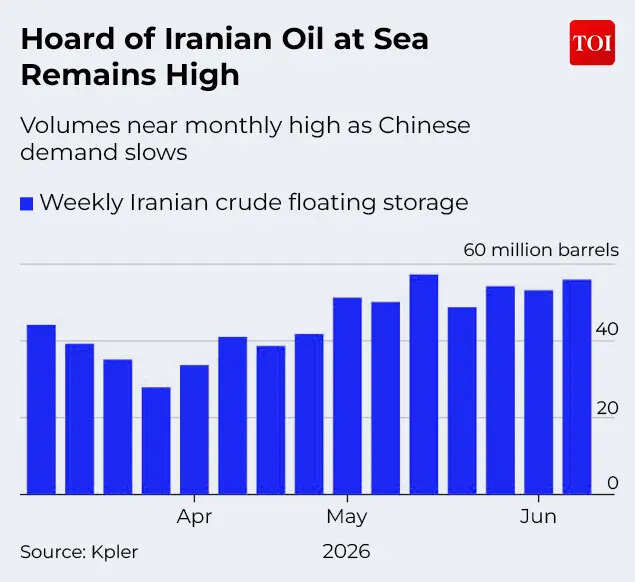
Despite reducing imports, China remains Iran’s most important oil customer. The two countries established diplomatic relations in 1971. Following Iran’s 1979 Islamic Revolution, Beijing gradually became one of Tehran’s most important economic and diplomatic partners.According to Brookings Institution scholars Ryan Hass and Allie Matthias, Iran remains a “mid-tier” partner for China, though Beijing is far more important to Tehran than the reverse.Iran routinely sells oil to China at substantial discounts because of Western sanctions. The majority of those purchases are made by China’s independent refiners, commonly known as “teapots.” However, imports from Iran fell to the lowest level since January 2025,Iranian suppliers have recently offered even deeper discounts to attract buyers. Traders said Iranian Light crude for July delivery was offered at discounts of up to $1 per barrel against Brent benchmarks, compared with premiums only weeks earlier.Russian crude has also become cheaper. Prices for Russia’s ESPO blend fell to premiums of around $3-$4 per barrel over Brent, down from roughly $6 previously.“Buyers aren’t accelerating procurement even if supply is tight, because prices are still too high for teapots who are suffering great losses,” Kpler analyst Xu Muyu told Reuters.
The shadow fleet that keeps oil flowing
Despite sanctions, Iranian crude continues reaching Chinese ports through complex shipping networks. According to The Wall Street Journal, tankers carrying Iranian oil frequently conduct ship-to-ship transfers in waters near Malaysia before cargoes are shipped onward to China.The report said crews often conceal vessel identities, alter markings and switch off tracking systems to obscure the origin of cargoes. This “shadow fleet” has become a critical component of Iran’s oil exports and China’s access to discounted supplies.
Is the demand destruction permanent?
Not everyone believes the trend will last. US Energy Secretary Chris Wright argued that China’s response reflects a temporary crisis strategy rather than a permanent shift.“They were building a strategic petroleum reserve (SPR), now they’ve stopped building, they’re releasing some from their reserves,” Wright said.“They have turned down their refineries, so that’s producing less products. That’s in response to a crisis, that’s not a permanent change.”Others disagree. Analysts note that China’s growing EV fleet, expanding rail network and changing consumer habits could permanently reduce oil demand growth.The world witnessed similar structural changes after the 1973 oil embargo, which led to greater fuel efficiency, strategic petroleum reserves and alternative energy investments across major economies.Much depends on the future of the Strait of Hormuz and the Iran conflict. Analysts expect Chinese refiners to return to international markets once reserves are drawn down significantly or if disruptions persist for longer than expected.“But government authorisation, subject to Beijing’s outlook on Hormuz, will be needed before sizeable buying returns,” Energy Aspects analyst Jianan Sun told Bloomberg.For now, however, China appears content to rely on stockpiles, lower refinery runs and an increasingly electrified transport system rather than aggressively bidding for crude in a volatile market as Iran faces its biggest crisis in years.


