
West Bengal CM NEW DELHI: The West Bengal government has constituted a nine-member expert committee headed by retired Supreme Court judge Justice Ranjana Prakash Desai to examine and finalise the draft Uniform Civil Code (UCC), 2026.The proposed legislation is expected to be introduced during the assembly’s August session, with indigenous communities proposed to remain outside its ambit.In a notification issued on Friday, the state government said the committee has been formed to undertake a comprehensive review of the draft legislation before it is placed before the assembly.”It has been further made to appear to the Governor that considering the wide ramification and voluminous nature of the subject domain, it is necessary to constitute a committee for a comprehensive examination and review of the DRAFT BILL titled The Uniform Civil Code, West Bengal, 2026,” the notification said.It further stated that the Governor “is pleased hereby to constitute, with immediate effect, a committee comprising the following persons of eminence to examine the bill.”The panel members include:Retired Supreme Court judge Justice Ranjana Prakash DesaiFormer Meghalaya Governor Tathagata RoyResident Commissioner Dushyant Naraiala (IAS)Retired IAS officer Shatrughna SinghPrincipal Secretary (Home and Hill Affairs) Sanghamitra GhoshRetired anthropology professor Dr Ratna BhattacharyaFormer Gour Banga University vice-chancellor Gopalchandra MisraCalcutta high court advocate Osman Gani Mallick andFormer executive director Nirmalya BhattacharyyaThe notification further stated that the state government has already prepared a draft bill aimed at creating a uniform legal framework governing personal civil matters for all residents of West Bengal, irrespective of religion, faith or community.The proposed law seeks to replace religion-specific personal laws in matters such as marriage, divorce, inheritance, succession and adoption with a common legal framework while retaining constitutional exemptions available to certain categories, including indigenous communities.Chief minister Suvendu Adhikari had formally announced the move to implement a UCC in the state assembly earlier this week, fulfilling a key promise made by the BJP in its Sankalp Patra, which pledged to introduce the bill within six months of coming to power in the state.Justice Desai has previously chaired the UCC committees in Uttarakhand and Gujarat and currently heads similar panels in Rajasthan, Chhattisgarh and Madhya Pradesh. Officials said the Bengal panel is expected to study existing UCC models, particularly Assam’s, given the similarities in demographic and migration-related issues faced by the two states.Get the latest India news and live updates. Download the TOI App.About the AuthorTOI News DeskThe TOI News Desk comprises a dedicated and tireless team of journalists who operate around the clock to deliver the most current and comprehensive news and updates to the readers of The Times of India worldwide. With an unwavering commitment to excellence in journalism, our team is at the forefront of gathering, verifying, and presenting breaking news, in-depth analysis, and insightful reports on a wide range of topics. The TOI News Desk is your trusted source for staying informed and connected to the ever-evolving global landscape, ensuring that our readers are equipped with the latest developments that matter most.”Read MoreEnd of ArticleFollow Us On Social MediaVideosIndia, New Zealand Grows Ties to Strategic Partnership; Aim to Double Trade to ₹35,000 Crore by 2030″J&K Is Part Of India”: Indian Diplomat Objects To Map Row At Dhaka Foreign Policy EventSupreme Court Drama: Petitioner Abuses CJI, Throws Papers; No Contempt Action TakenDevendra Fadnavis Clarifies ‘Bhade Ke Tattu’ Remark, Says He Will Call Critics ‘Hired Fools’Amit Shah Announces Smart Border Vision With Four-Pronged Security Grid40-Foot Illegal Pipeline Linked To IOCL Oil Network Found In Rajasthan; Police Probe Oil TheftThree-Fold Rise In Assam Budget: Aims At Uplifting People, Says CM Sarma’You Will Have To Kill Me’: Mamata’s Defiant Message As TMC Faces Major RebellionIRCTC Rolls Out Beta Website With Simpler Booking Experience; 4 Key Changes Explained’She Pleaded For Help, No One Listened’: What The CCTV Reveals About Jaipur Schoolgirl’s Death123PhotostoriesRelationship lessons from Riteish Deshmukh and Genelia D’Souza that couples can learnHow to know if fish is fresh: 5 simple signs that can save you from buying stale seafoodWhat happens to your body when you eat chickpeas every day for a monthFrom Samosa to Bread Pakoda: Popular deep-fried snacks of India and their calorie count you should knowTop 6 most visited national parks in the USA every nature lover should experience once in their lifetimeHow Chanel No. 5 got its famous name: The story behind the iconic fragrance10 baby names that mean “miracle” in different cultures6 stunning red birds in India and where to find themIf your child says these 7 phrases often, psychologists say they’re asking for connectionAre you accidentally damaging your kidneys? Doctor reveals the common daily mistakes that can lead to silent kidney disease123Hot PicksSIRBlake LivelyGurgaon EncounterCM VijayAlex PereiraPM ModiNico HischierStrait of HormuzSimone BilesTop TrendingGurgaon MonsoonAMU Seerat CertificateTelangana Techie Wife MurderFIFA World Cup 2026Weather TodayTS EAMCET Phase 1 seat allotmentRamesh MhatreDelhi NCR rainGurgaon EncounterIran war

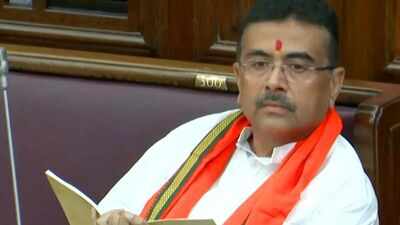
NEW DELHI: The West Bengal government has constituted a nine-member expert committee headed by retired Supreme Court judge Justice Ranjana Prakash Desai to examine and finalise the draft Uniform Civil Code (UCC), 2026.The proposed legislation is expected to be introduced during the assembly’s August session, with indigenous communities proposed to remain outside its ambit.In a notification issued on Friday, the state government said the committee has been formed to undertake a comprehensive review of the draft legislation before it is placed before the assembly.“It has been further made to appear to the Governor that considering the wide ramification and voluminous nature of the subject domain, it is necessary to constitute a committee for a comprehensive examination and review of the DRAFT BILL titled The Uniform Civil Code, West Bengal, 2026,” the notification said.It further stated that the Governor “is pleased hereby to constitute, with immediate effect, a committee comprising the following persons of eminence to examine the bill.”The panel members include:
- Retired Supreme Court judge Justice Ranjana Prakash Desai
- Former Meghalaya Governor Tathagata Roy
- Resident Commissioner Dushyant Naraiala (IAS)
- Retired IAS officer Shatrughna Singh
- Principal Secretary (Home and Hill Affairs) Sanghamitra Ghosh
- Retired anthropology professor Dr Ratna Bhattacharya
- Former Gour Banga University vice-chancellor Gopalchandra Misra
- Calcutta high court advocate Osman Gani Mallick and
- Former executive director Nirmalya Bhattacharyya
The notification further stated that the state government has already prepared a draft bill aimed at creating a uniform legal framework governing personal civil matters for all residents of West Bengal, irrespective of religion, faith or community.The proposed law seeks to replace religion-specific personal laws in matters such as marriage, divorce, inheritance, succession and adoption with a common legal framework while retaining constitutional exemptions available to certain categories, including indigenous communities.Chief minister Suvendu Adhikari had formally announced the move to implement a UCC in the state assembly earlier this week, fulfilling a key promise made by the BJP in its Sankalp Patra, which pledged to introduce the bill within six months of coming to power in the state.Justice Desai has previously chaired the UCC committees in Uttarakhand and Gujarat and currently heads similar panels in Rajasthan, Chhattisgarh and Madhya Pradesh. Officials said the Bengal panel is expected to study existing UCC models, particularly Assam’s, given the similarities in demographic and migration-related issues faced by the two states.


