
Virginia installed 46 water-control structures across 150 miles of old drainage ditches to re-wet a swamp; restored peat now traps 200,000 metric tons of carbon a year

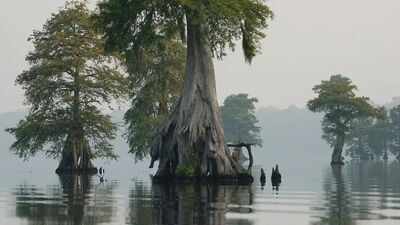
North Carolina’s coastal peatlands are being restored to protect wetlands, reduce wildfire risks and keep carbon stored in the soil. The work is focused on bringing water back to areas that were once drained and altered for farming, timber harvesting and other uses.Peatlands are wetlands whose soils contain large amounts of partly decayed organic matter. They cover only about 3% of the Earth’s surface but store more than twice as much carbon as all the world’s forests, according to The Nature Conservancy. When peat remains wet, it can hold carbon in the soil. But when it dries, it becomes highly flammable and can release large amounts of carbon dioxide when it burns.This makes water management a key part of conservation in coastal North Carolina. Nature-based solutions can improve wildlife habitat while also helping nearby communities through better water quality, recreation and reduced risks from floods and other climate-related threats.One major focus is the Pocosin Lakes National Wildlife Refuge in the Albemarle-Pamlico Peninsula. The refuge is one of nine national wildlife refuges in the area, which supports fishing and tourism but faces threats from sea-level rise, storms, flooding and wildfires. With funding from the Inflation Reduction Act, the Fish and Wildlife Service and its partners have restored 37,000 acres of peatland at Pocosin Lakes.
Restoring water
At Pocosin Lakes, large areas were once crossed by drainage ditches. Centuries of ditching and draining severely degraded peatlands, while earlier land clearing and drainage also affected the refuge.When peat is kept wet, it is less likely to support intense ground fires. “Restoration is focused on rewetting the peat, stopping artificial drainage and restoring or mimicking the natural movement of water across the refuge,” Wendy Stanton, manager of Pocosin Lakes National Wildlife Refuge told Public Radio For Eastern North Carolina. She said the restored area now covers more than 37,000 acres.The need for this work became clear during major wildfires. In 2008, lightning started a fire at Pocosin Lakes that burned for three months and destroyed more than 40,000 acres of peat. Meanwhile, the Allen Road fire in 1985 burned through about 100,000 acres, destroyed 26 homes and burned as deeply as three feet into the peat. The fire lasted eight weeks, while an estimated 1 million to 3.8 million metric tons of carbon were released into the air, The Coastal Review reported.
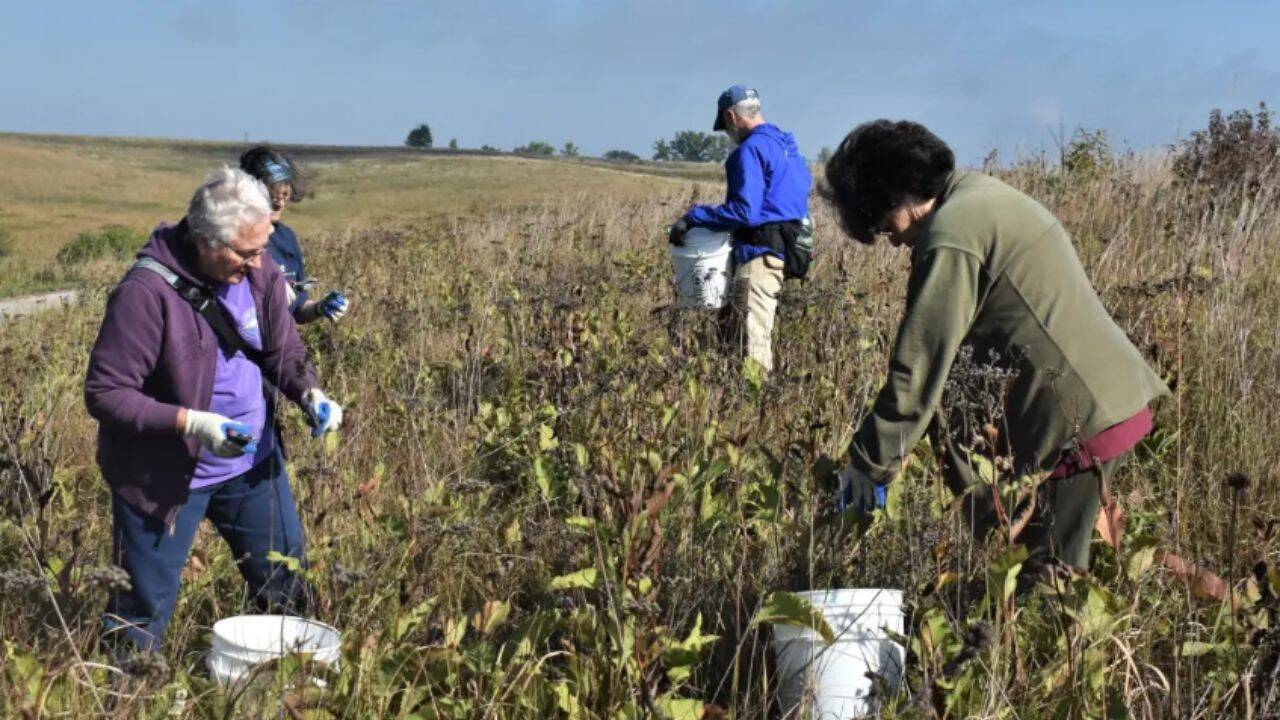
Volunteers collect native tallgrass prairie seed at Neal Smith National Wildlife Refuge in Iowa.
Water-control structures
Conservation teams are using water-control structures to change how water moves through these drained landscapes. At Pocosin Lakes, the structures can hold back water in drainage systems, helping to restore wetter conditions in the peat. The Nature Conservancy says its teams monitor water levels and adjust the structures to better mimic the natural hydrology of an intact peatland.A similar approach is being used at Angola Bay Game Land. The Nature Conservancy and the North Carolina Wildlife Resources Commission are working on a restoration design for 7,500 acres of ditched pocosin. Water-control infrastructure began being installed in 2023, with the project also involving plans to restore habitat using wetland species such as Atlantic white cedar, bald cypress, pond cypress and buttonbush.The structures can also be adjusted according to conditions at individual sites. Eric Soderholm, The Nature Conservancy’s coastal wetlands restoration lead in North Carolina, says the approach allows teams to change the effective drainage height by adjusting the boards in the structures. Teams then monitor the results to determine whether water is being held too high or too low.This monitoring is important because the aim is not simply to flood the land. Restoration teams want to create seasonal moisture levels similar to those that would have existed naturally.
Carbon storage
Keeping peat wet also has implications for climate change. Restored peat wetlands at Great Dismal Swamp National Wildlife Refuge sequester about 200,000 metric tons of carbon each year. That amount is equivalent to the annual emissions of 42,000 vehicles, according to a US Geological Survey and Fish and Wildlife Service study.It estimates that restoring 10 acres of pocosin peatland is comparable to removing the emissions of 5.3 passenger vehicles per year, while draining 10 acres can have the opposite effect.The restoration programme also involves local communities and landowners because changes to water management can affect farms and other livelihoods. Pocosin Lakes has held meetings with surrounding communities to explain its work and hear concerns. Refuge officials have also worked with farmers on drainage issues.The challenge is becoming more urgent as the coastal plain faces rising seas and changing weather. The Pocosin Lakes water management plan notes that the ability of these wetlands to adjust to rising sea levels may be limited if sea-level rise becomes faster than the rate at which peat accumulates.


