
Updated: Jul 15, 2026, 17:10 IST

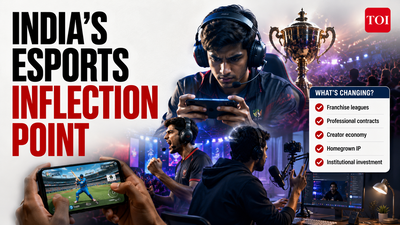
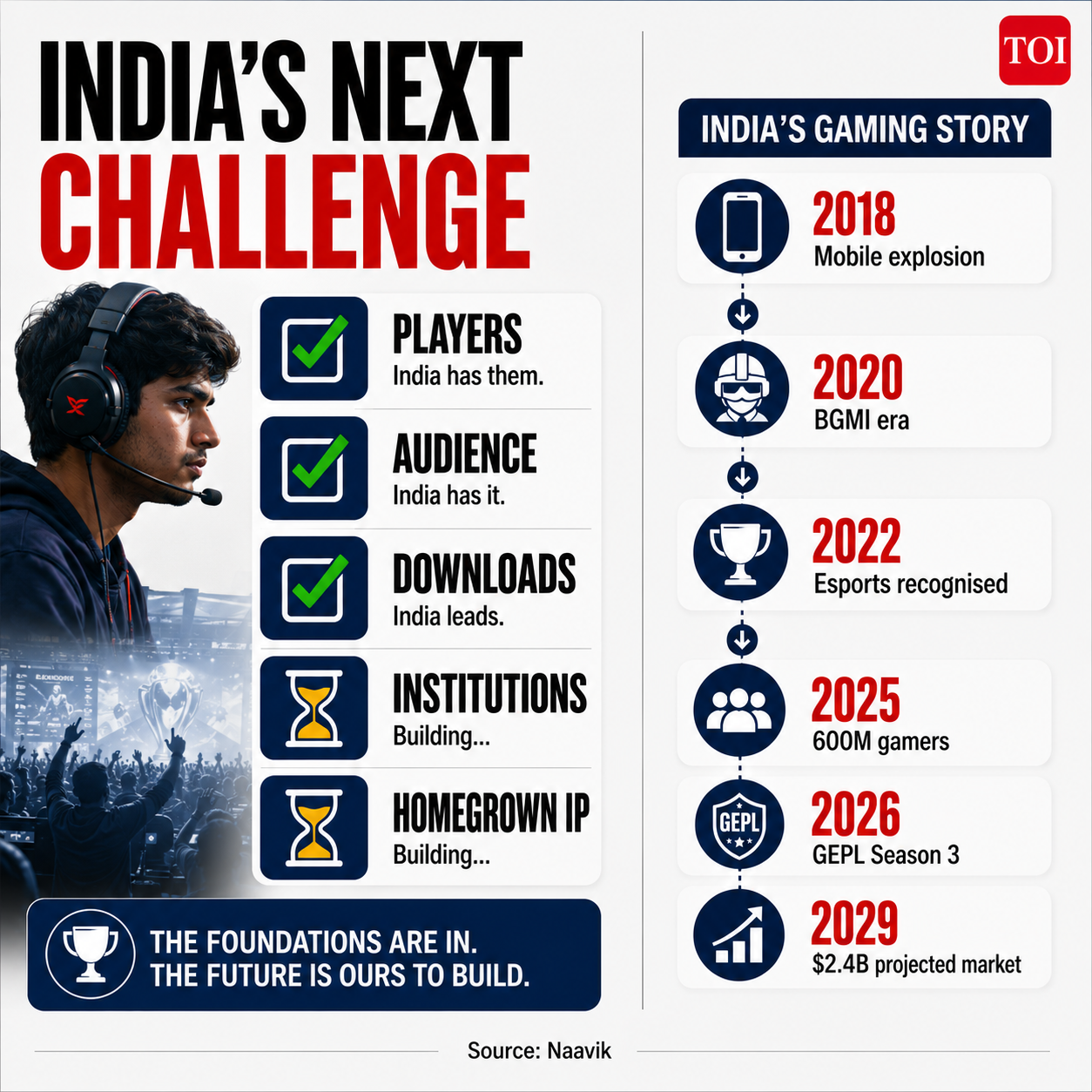
NEW DELHI: If numbers alone were enough, India would already be one of the world’s biggest esports markets. Around 600 million people now play games in the country. Mobile gaming (excluding real-money gaming) generated an estimated USD 1.1 billion in revenue through 2025 and is projected to grow to USD 2.4 billion by 2029.Nearly eight billion mobile games are downloaded every year. At the same time, the market has more than doubled its monetisation over the past five years, according to the India State of Play 2026 report by Naavik and MIXI Global Investments. India is also becoming one of the world’s fastest-growing gaming markets. As per the report, the country is projected to record a 17.1% CAGR (Compound Annual Growth Rate) between 2025 and 2029, well ahead of the global average, while the number of gaming companies has crossed 2,000, employing more than 1.3 lakh professionals across development, publishing, esports, content creation and supporting businesses.These numbers suggest that competitive gaming has continued to grow, but many of the institutions that underpin established sports are still taking shape.Professional organisations are few, franchise leagues remain limited, broadcast partnerships are sporadic, and long-term career pathways extend to only a small section of players.But that equation appears to be changing. Over the past year, tournament operators have shifted their focus from standalone events to franchise-led competitions.Professional organisations have expanded well beyond competitive teams, employing creators and business professionals alongside athletes. Startup founders and investors have begun backing esports franchises, while broadcasters and brands are making longer-term commitments to competitive gaming.At the same time, policymakers have continued drawing clearer distinctions between esports and other forms of online gaming.The question is no longer whether India has enough players to sustain esports. It is whether the industry can build the institutions capable of turning that scale into a sustainable sporting and entertainment business.
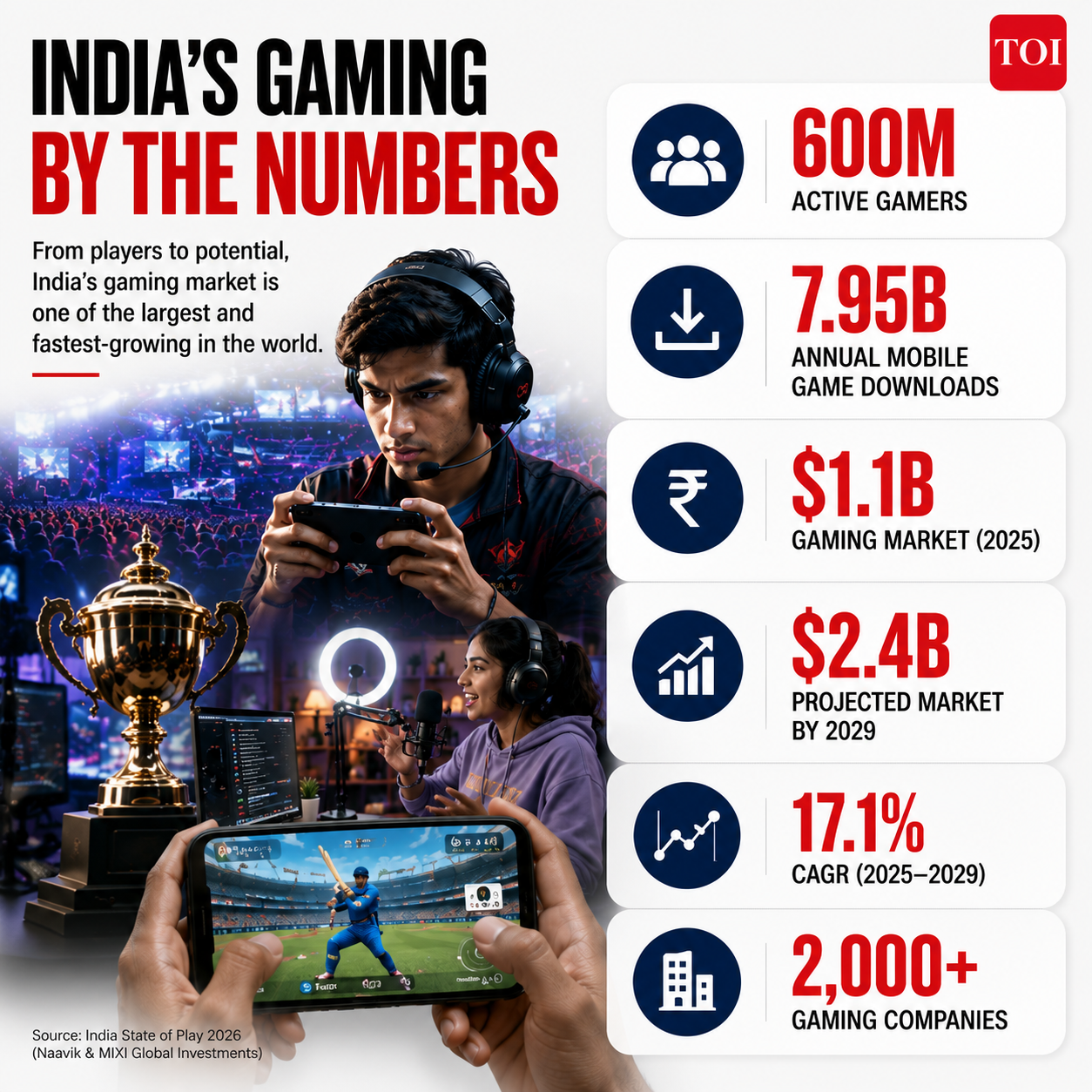
India’s gaming by the numbers
Building institutions, not tournaments
If the first phase of Indian esports was about attracting players, JetSynthesys Chairman Rajan Navani believes the next phase is about building institutions that can support them.“The problem was never a lack of talent or interest. India has always produced passionate video gamers, and cricket has always been our strongest sporting obsession,” Navani told TimesofIndia.com.“The real gap was the absence of a structured ecosystem that could convert participation into opportunity.“For years, video gaming in India largely remained an individual pursuit. Players could compete in isolated tournaments, but there was no sustained pathway that connected grassroots participation to professional competition, fandom, commercial value and long-term careers. Unlike traditional sports, there were very few institutions that could nurture talent over multiple seasons.”Few sports offer India the kind of ready-made audience that cricket does. For an industry still trying to expand beyond gaming communities, the country’s biggest sporting obsession offers both familiarity and scale.
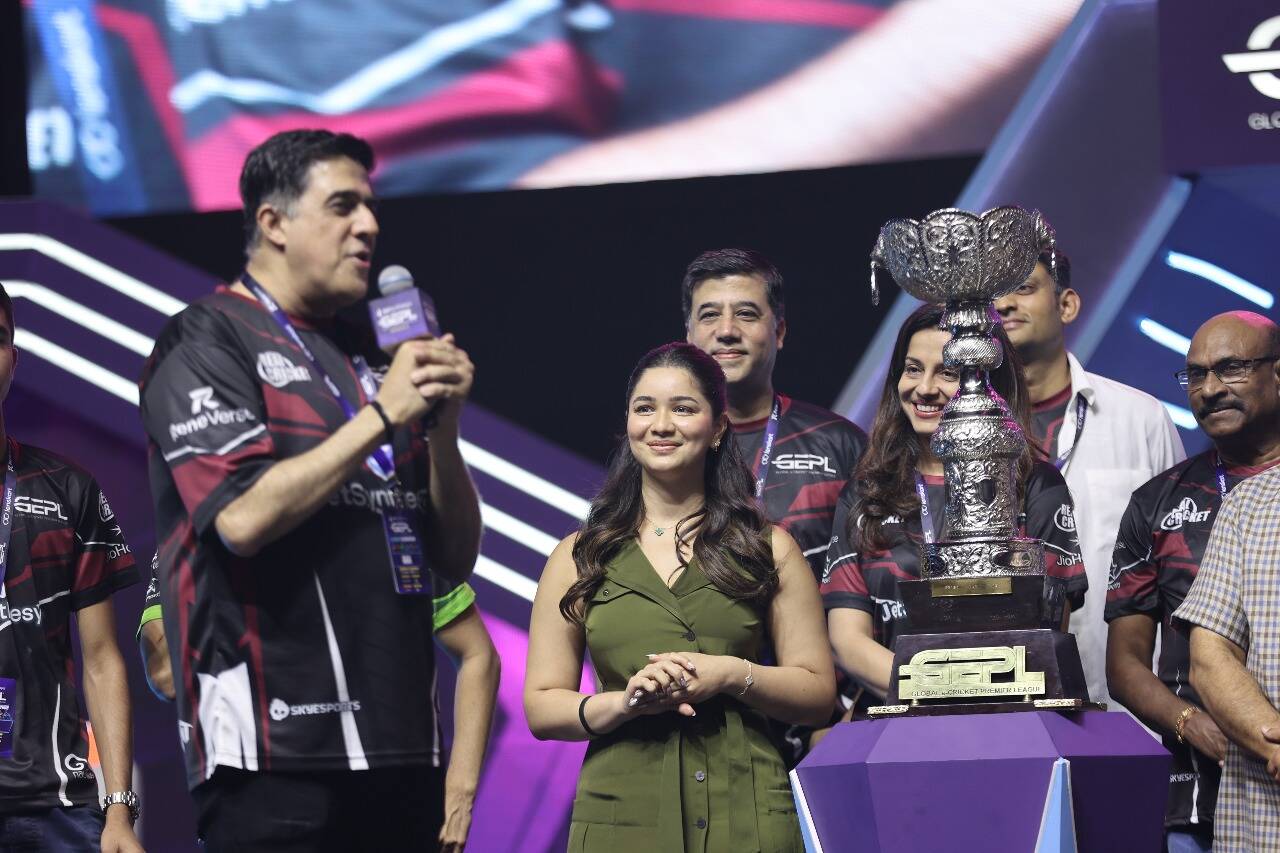
Rajan Navani
That belief sits at the heart of JetSynthesys’ approach to esports.Rather than organising standalone competitions, the company has invested in a franchise-based model through the Global e-Cricket Premier League (GEPL), built around Real Cricket, one of India’s most widely played mobile cricket titles. The idea, Navani says, is to create continuity rather than one-off opportunities.“At GEPL, one of our core objectives is to help create a viable career pathway for esports athletes. Our franchise model supports players beyond the tournament itself, with professional contracts and year-round salaries that bring greater stability and credibility to competitive gaming.”He compares that philosophy to the way traditional sports evolved. Strong sporting competitions, he argues, are rarely built around individual events alone. They are sustained by clubs, leagues, athletes, commercial partners and fans who remain invested long after a season ends. Esports, he believes, now needs to move in the same direction.That ambition also extends beyond competitive gaming. Despite accounting for roughly one-fifth of the world’s gamers, India captures only a small share of the global gaming economy.The Navik report also estimates that India accounts for roughly 20% of the world’s gamers, yet contributes only a fraction of global gaming revenues. That mismatch between participation and value creation has become one of the defining questions facing the industry.
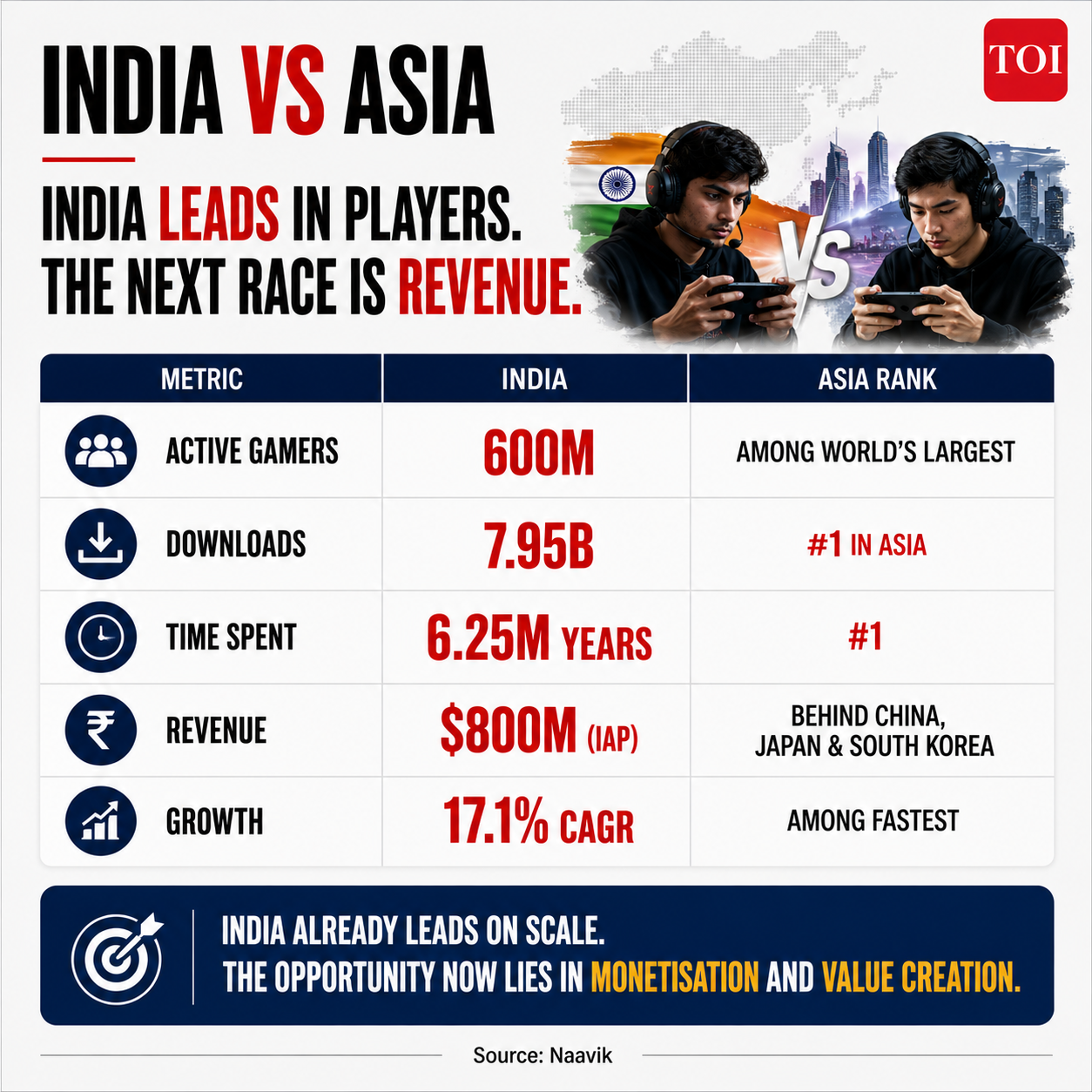
India vs Asia: Who does our country stand?
“India contributes roughly one-fifth of the world’s gamers yet captures only a small fraction of the global gaming industry’s economic value. To change that, India needs to build its own intellectual property, leagues and entertainment ecosystems rather than only consume those created elsewhere,” adds Navani.That, perhaps, is the larger shift beginning to play out across Indian esports. The conversation is gradually moving beyond participation towards ownership – of leagues, franchises, intellectual property and businesses that can create long-term value rather than short-term momentum.
More than players
The industry’s biggest challenge, however, lies outside tournament arenas. For years, one of the biggest hurdles for Indian esports wasn’t attracting players – it was convincing families that gaming could become something more than a hobby.Prize money and championship titles helped generate interest. Sustainable careers, industry leaders argue, will do far more to change minds.“I think the biggest factor will be visible career pathways. Star players can inspire people, but parents ultimately look for stability and long-term prospects,” Animesh Agarwal, CEO & Founder| S8UL Esports told Timesofindia.com“The moment families start seeing people earning a livelihood not just as players but also as creators, coaches, analysts, managers, editors, producers and business professionals within gaming, the conversation changes. We’re already seeing that shift happen.
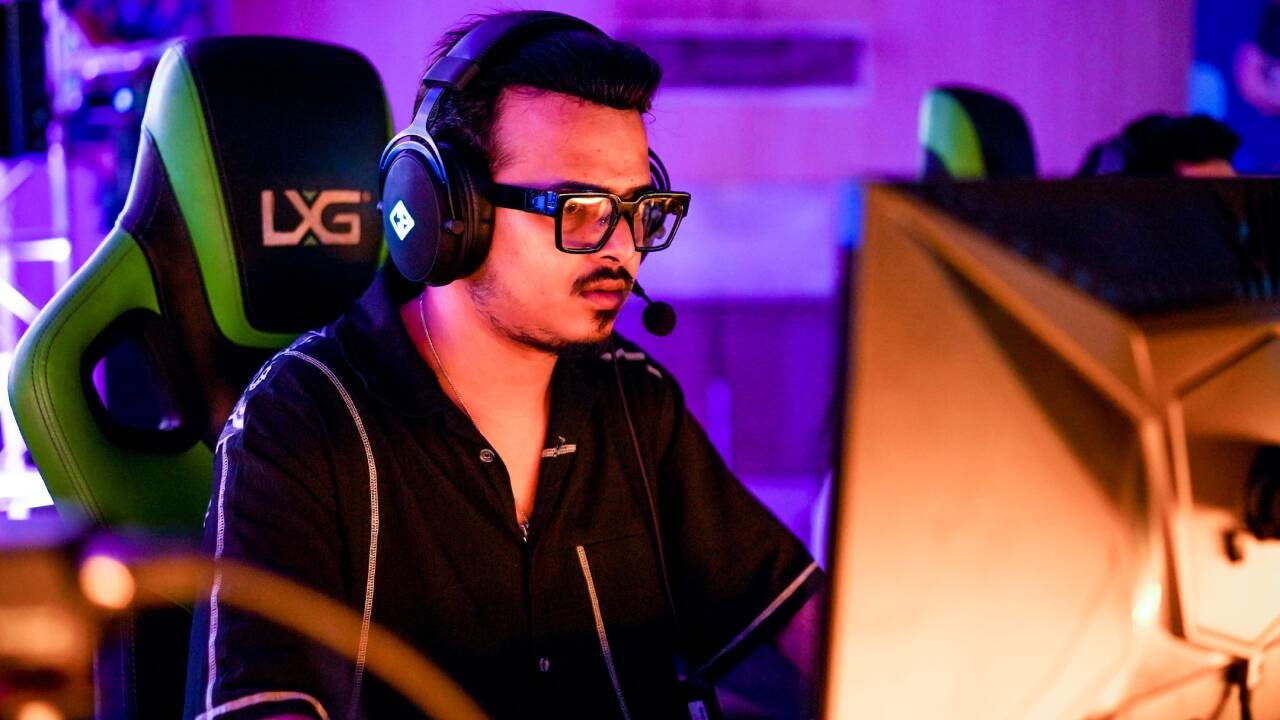
Animesh Agarwal
A few years ago, gaming was viewed largely as a hobby. Today, many young Indians are building sustainable careers across esports, content creation, talent management and gaming-focused businesses,” says Agarwal.And that shift is already changing what an esports organisation looks like. Professional players remain its most visible face, but they now work alongside broadcast teams, video editors, designers, commercial partnerships, talent managers and production crews.As leagues have grown, so too has the demand for people who may never compete professionally but are helping build the business around competitive gaming.Nishant Patel, SVP, NODWIN Gaming, believes wider public acceptance will still require a defining sporting moment.“It’s already changing, albeit gradually. If I had to identify the biggest catalysts, I would point to two things. The first is the rise of esports titles that Indian households already understand and trust like Chess,” Patel told Timesofindia.com.“Most Indian families have grown up with the notion that Shatranj was a legitimate intellectual sport, so competitive chess naturally feels more acceptable than many other gaming titles.”The second, he says, is what NODWIN Gaming co-founder Akshat Rathee often describes as India’s “Neeraj Chopra moment” for esports.“When a player wins a major international title and brings home a globally recognised trophy, perceptions can change overnight.”Navani believes those changes are already beginning to filter into Indian households, even if gradually.“The most rewarding moments for us are when parents tell us they now see esports differently because their children have found purpose, recognition and a genuine career opportunity through GEPL. That, more than anything else, tells us the conversation inside Indian households is beginning to change.”
India didn’t follow the world’s gaming path
Changing perceptions, however, is unlikely to happen through one tournament or one successful player alone.Like every established sport, esports may ultimately be judged by something less visible than trophies – whether it can consistently create careers that parents recognise, institutions trust and young professionals see as a viable future.
An Indian model
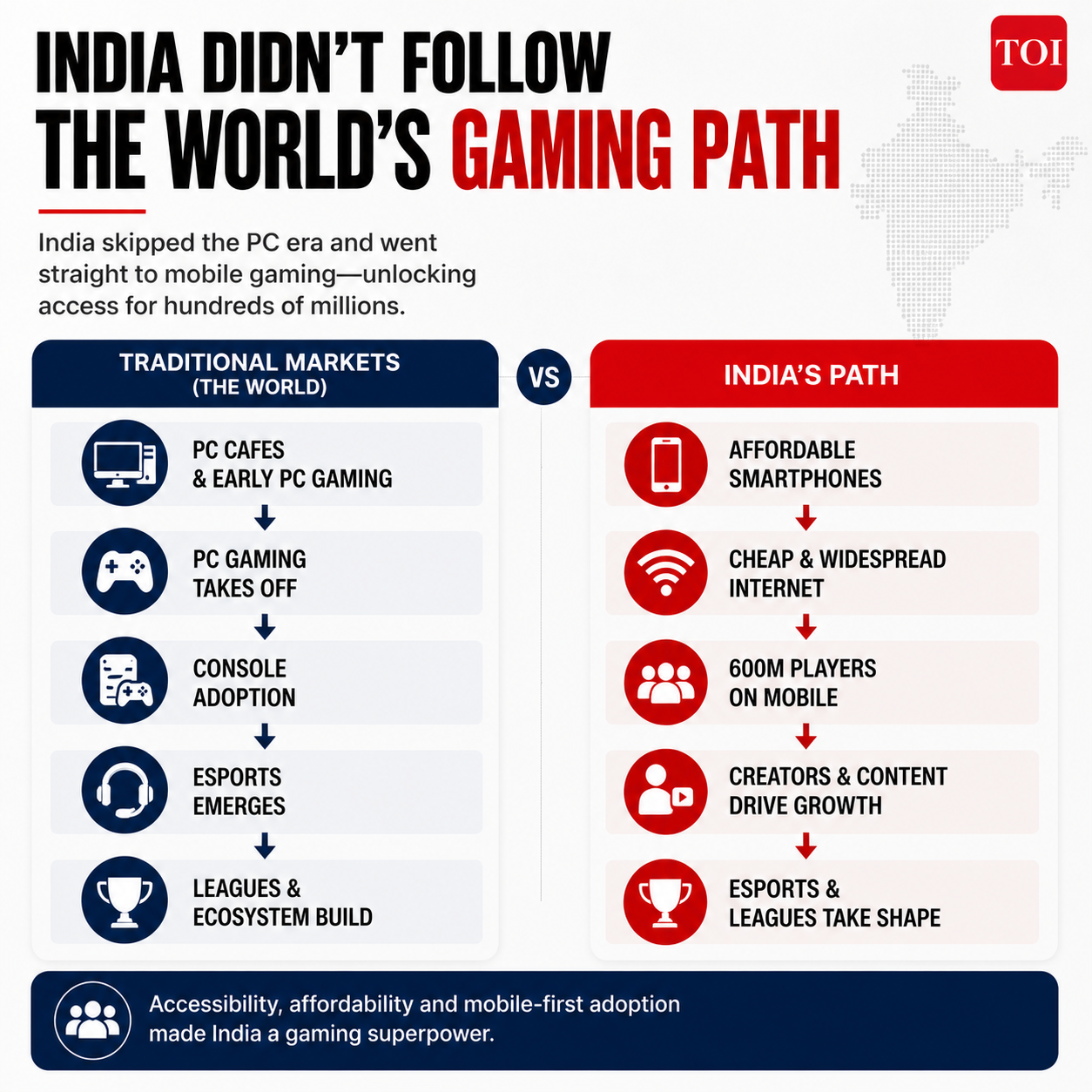
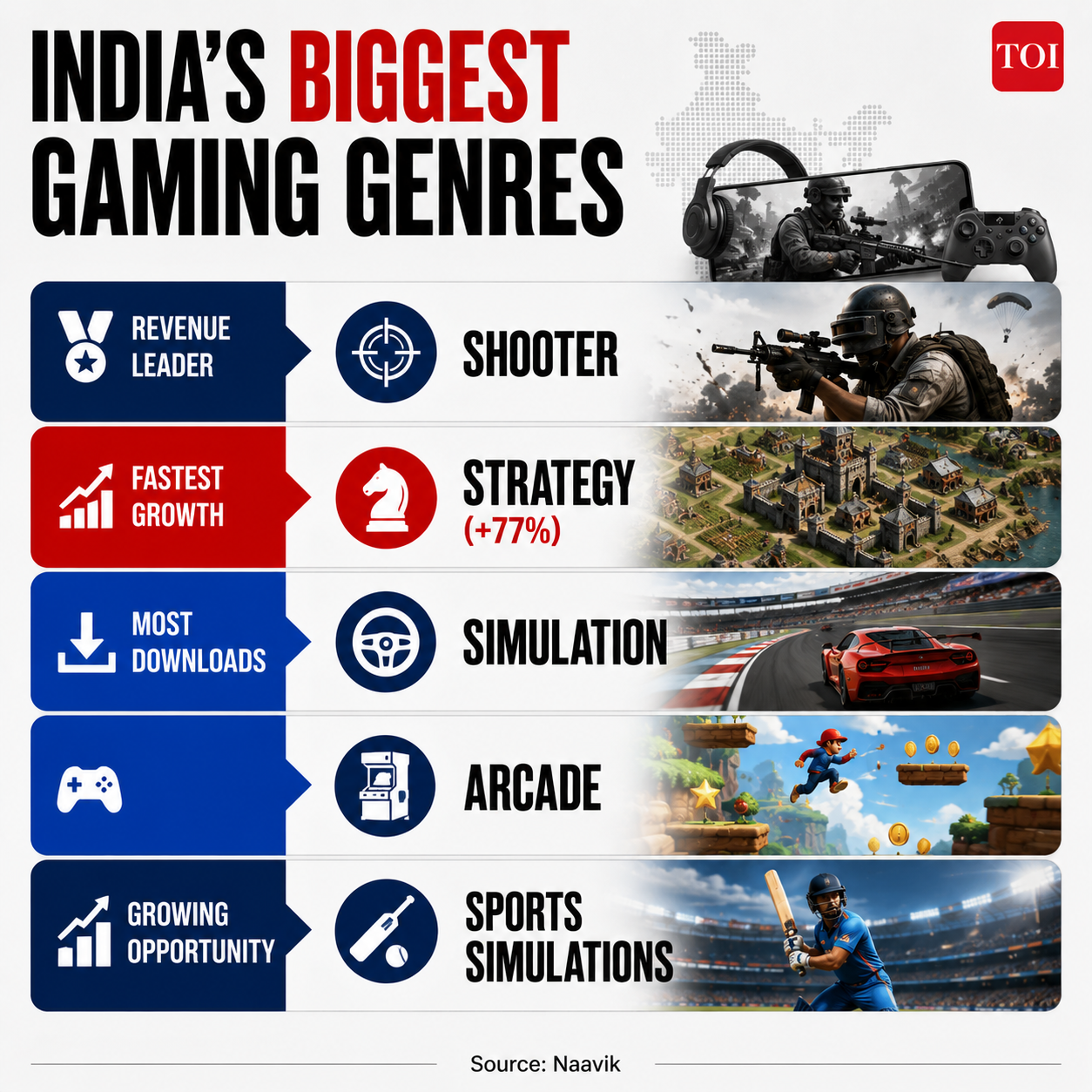
India’s esports industry isn’t following a blueprint laid down by South Korea, China or North America.Unlike many of the world’s established esports markets, where competitive gaming evolved through PC cafes, consoles and high-end gaming hardware, India’s story has largely been shaped by smartphones.Affordable devices and low-cost internet brought competitive gaming to hundreds of millions of people, making mobile the country’s dominant gaming platform and fundamentally changing how audiences discovered esports.That trend is reflected in the numbers.Shooter titles remain the biggest revenue generators, led by games such as BGMI and Free Fire MAX. Simulation games continue to attract one of the widest player bases, while arcade and puzzle titles dominate downloads, underlining how India’s gaming audience stretches well beyond traditional esports titles
India’s biggest gaming genres
For Agarwal, accessibility has been India’s biggest advantage.“India’s esports ecosystem has evolved around accessibility. Affordable smartphones and low-cost internet brought competitive gaming to hundreds of millions of people, which is very different from the PC-first ecosystems we saw in Korea or North America,” he says.He believes India’s creator economy has become another defining feature.“In many mature markets, people discover esports through leagues and tournaments. In India, a large number of fans enter through creators, streamers and communities before becoming esports viewers. That’s a unique strength.”The economics of India’s market also explain why mobile sits at the centre of its esports story. Smartphones account for the overwhelming majority of gaming activity, with free-to-play titles continuing to dominate player acquisition, while in-app purchases remain the largest contributor to consumer spending.Patel believes those differences are shaping not just audiences but the industry’s commercial direction.“India’s esports story is fundamentally different because it is mobile-first, creator-led and mass-market. Our ecosystem is shaped by affordable smartphones, low-cost data, regional languages, creator communities and highly social consumption habits,” he says.
India’s next challenge
Cricket: The holy grail to crack Indian esports
That has also brought esports closer to India’s biggest sporting obsession. Rather than positioning e-cricket as a rival to the traditional game, industry leaders increasingly see it as another way for fans to engage with a sport they already follow closely.The GEPL, for instance, has expanded rapidly. After attracting around two lakh registrations in its inaugural season, it crossed more than 9.1 lakh registrations in Season 2, with matches broadcast across television and streaming platforms. Season 3 will carry a prize pool of ₹3.1 crore as the competition continues to grow.That growth mirrors a broader pattern in player behaviour. According to Naavik, competitive multiplayer titles continue to dominate engagement in India, with shooter games accounting for the largest share of consumer spending, while sports simulations remain among the country’s most downloaded gaming genresFor Navani, that is where the GEPL fits into the larger picture.“E-cricket extends cricket into the digital era, creating new avenues for participation while deepening fan engagement. We see it as another powerful expression of India’s cricket culture,” he says.It is also why the industry’s interest in cricket extends beyond one league. With the International Cricket Council (ICC) working towards officially licensed cricket games once again, many within the industry believe the sport could become a gateway for millions of traditional sports fans to discover competitive gaming in a familiar format.Whether that happens remains to be seen. What appears clearer is that India’s esports industry is unlikely to mirror the journey taken by more established markets.
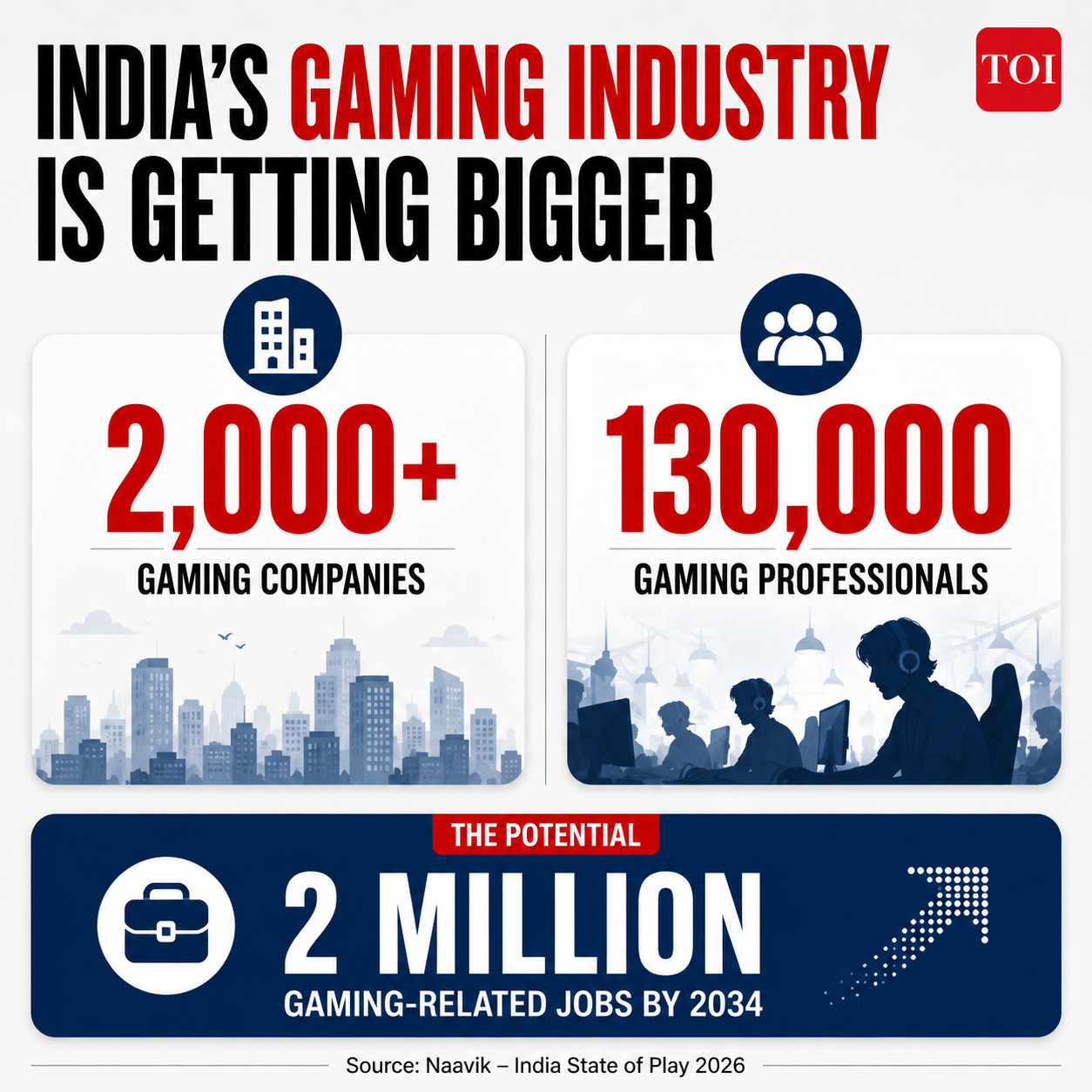
India’s gaming industry is getting bigger
If the industry’s next phase is about building institutions, its long-term identity may well be shaped by those distinctly Indian characteristics.Its foundations have been built on mobile devices, creators, and accessibility. The careers that persuade more families to see gaming as a profession rather than a pastime. The intellectual property that is created in India instead of merely consumed. The competitions that give players something to aspire to long before they become professionals.Industry forecasts suggest India’s gaming market will more than double in value over the next four years. For many within esports, however, the bigger milestone will not be the size of the market but how much of that value is created – and retained – within India through homegrown leagues, publishers, organisations and intellectual propertyAcross the industry, there is little disagreement that India already has the audience. The question now is whether it can build the sporting, commercial and creative foundations to match that scale, and the answer will only emerge over time, shaped by tournament operators, organisations, publishers, creators, investors, broadcasters and the players themselves.


