
These Indian schools educated politicians, billionaires and royals— Can ordinary students get admission too?

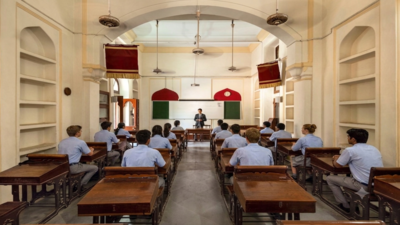
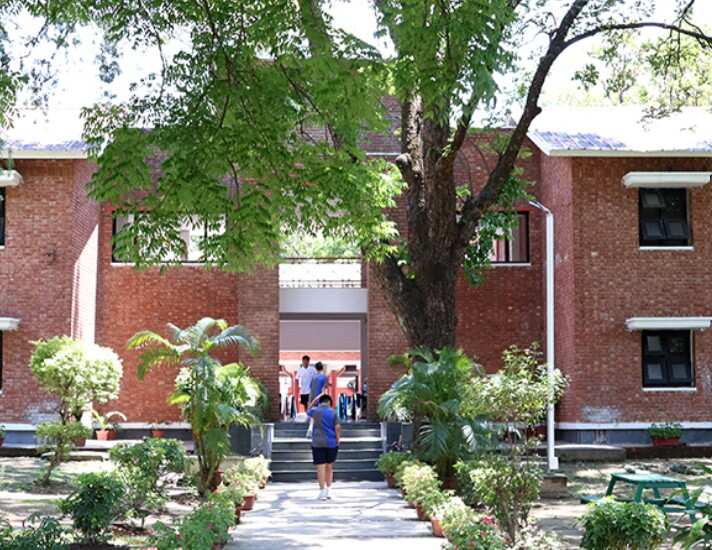
Some schools are remembered for their results, while others are known for the people who once sat in their classrooms. Across India, a few institutions have built a strong reputation over decades because many of their former students went on to become Prime Ministers, billionaires, CEOs, actors, writers and members of royal families. Here are some of the schools that have educated some of India’s most well-known personalities. The Doon Schoolin Dehradun is among the country’s best-known boarding schools. Since it opened in 1935, it has produced leaders in politics, business, journalism, literature and sports. Its alumni include former Prime Minister Rajiv Gandhi, Congress leader Rahul Gandhi, former Odisha Chief Minister Naveen Patnaik, Max Group founder Analjit Singh, Hero Enterprise chairman Sunil Kant Munjal, Eicher Motors managing director Siddhartha Lal, Booker Prize-winning author Amitav Ghosh, novelist Vikram Seth, journalists Prannoy Roy and Karan Thapar, Olympic gold medallist Abhinav Bindra, and artist Anish Kapoor.
.
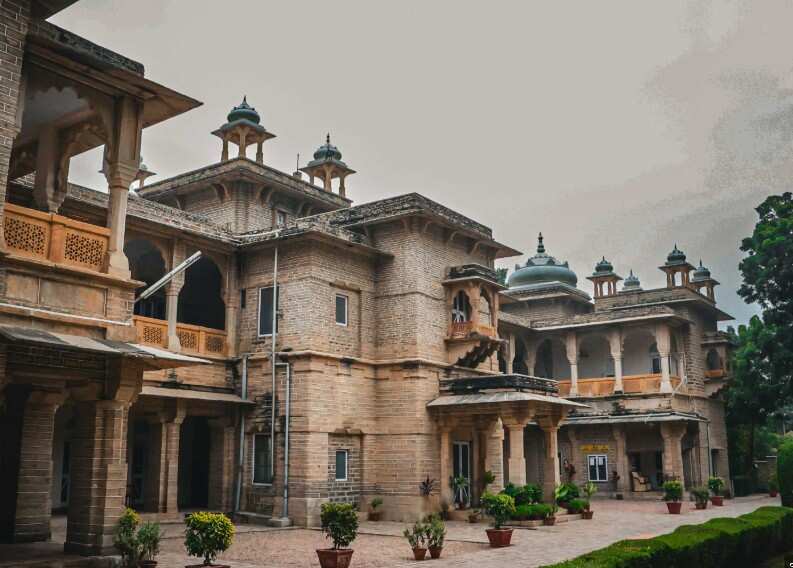
Founded in 1875, Mayo College in Ajmer was originally set up to educate the sons of India’s princely states. Today, it is one of the country’s most recognised boarding schools. Over the years, it has educated members of royal families from several former princely states. Its notable alumni include former External Affairs Minister K. Natwar Singh, diplomat Harsh Vardhan Shringla, actor Vivek Oberoi, former Chief of the Naval Staff Admiral Sunil Lanba, writer Indra Sinha, and Hari Singh, the last ruling Maharaja of Jammu and Kashmir.
.
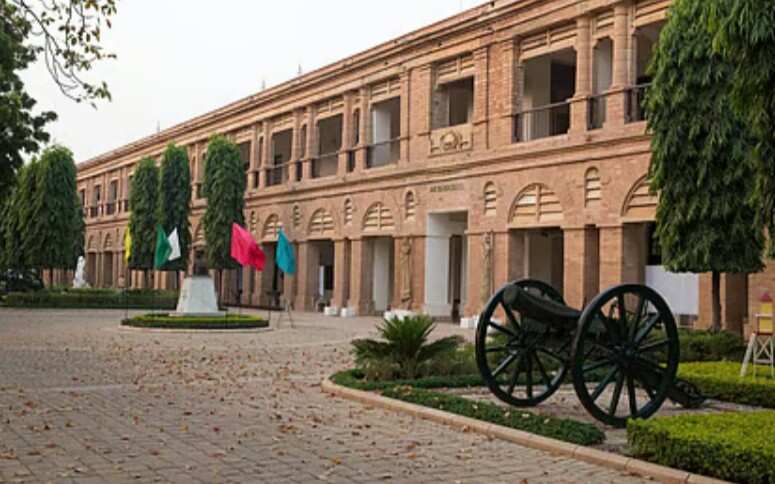
Another historic institution is The Scindia School in Gwalior. Established in 1897 inside the Gwalior Fort, it first served princes and noble families before opening admissions to students from different backgrounds. Its alumni include filmmaker Anurag Kashyap, actor Salman Khan, several members of former royal families and business leaders.
.
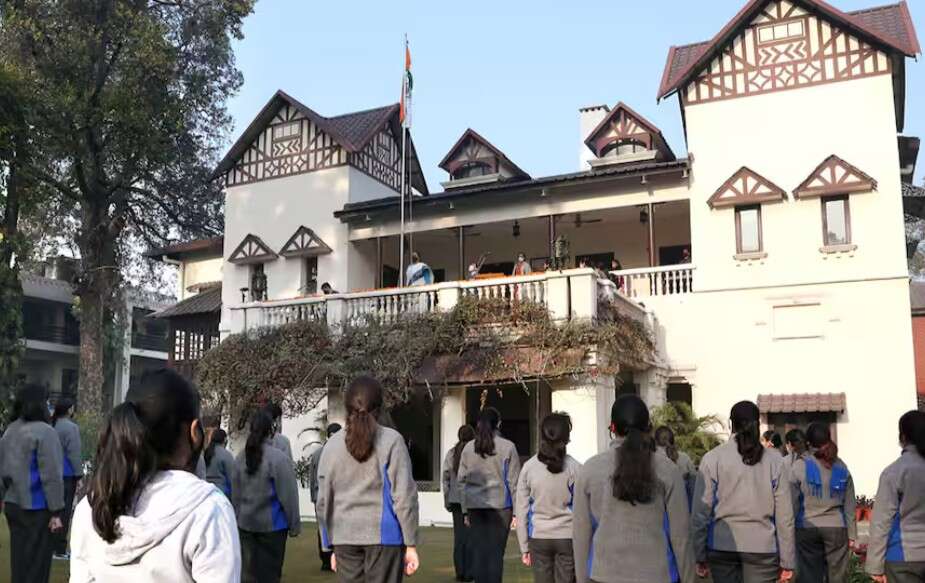
Welham Girls’ School in Dehradun has educated many women who later entered public life, politics and entertainment. Its former students include Congress leader Priyanka Gandhi Vadra, actor Kareena Kapoor Khan, former Lok Sabha Speaker Meira Kumar, and actor Manisha Koirala.
.
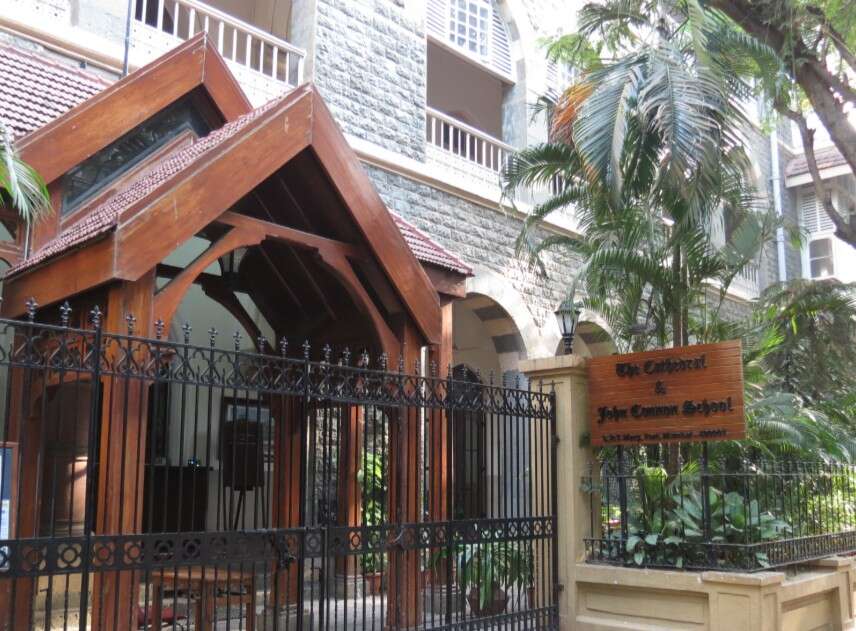
Mumbai’sCathedral and John Connon School is one of India’s oldest schools and has a long list of well-known alumni. Among them are Kumar Mangalam Birla, chairman of the Aditya Birla Group, actor Aamir Khan, writer Shobhaa De, and actor Kabir Bedi.
.
St. Paul’s School in Darjeeling has also produced several prominent personalities over the years. Its alumni include Prithvi Raj Singh Oberoi, Executive Chairman of EIH Limited and The Oberoi Group, surgeon Samiran Nundy, and economist Rehman Sobhan.

.
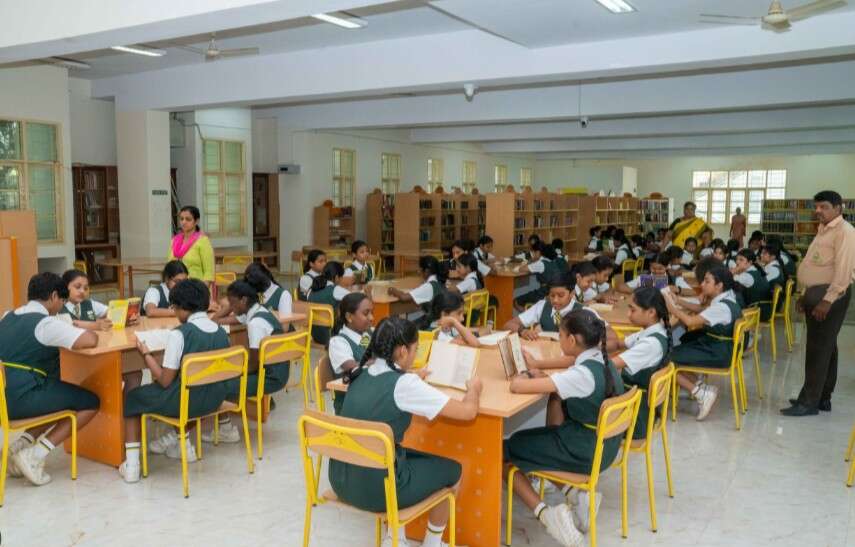
Bishop Cotton School in Shimla, one of Asia’s oldest boarding schools, has educated several military officers, civil servants, business leaders and sportspersons. Meanwhile, Woodstock School in Mussoorie, which follows an international curriculum, counts TED curator Chris Anderson and author Gita Mehta among its alumni.
.
Can an ordinary student get into these schools?
Schools such as The Doon School, Mayo College, The Scindia School and Welham Girls’ School represent the highest standard of school education in India. With a history spanning decades, these institutions are known for their academic excellence, boarding facilities, sports infrastructure and influential alumni. They also rank among the most expensive schools in the country, with annual fees running into several lakh rupees depending on the class, boarding status and other charges.However, studying at these schools is not limited to children from wealthy families, business houses or royal backgrounds. Most schools have a formal admission process that is open to eligible students from across India and abroad. Depending on the institution, applicants are required to clear an entrance examination, attend an interview or interaction, and meet the prescribed age and academic eligibility criteria.Admission is highly competitive because the number of seats is limited, especially in popular entry classes. Several of these schools also offer merit-based scholarships, need-based financial assistance or fee concessions to deserving students. While the eligibility and selection process vary from one school to another, admission is based on meeting the school’s criteria rather than family background or social status.


