
The Supreme Court is considering a crucial issue for judicial officers. It will decide if those promoted to district judge posts need a quota. This is to ensure they do not fall behind lawyers directly recruited to the same position. The court aims to improve the justice delivery system. The decision will impact thousands of judicial officers across India. NEW DELHI: The Supreme Court on Tuesday reserved a verdict on an issue sensitive to 20,000-odd judicial officers and will decide whether those opting for the promotional route to become district judges need a quota to counter lawyers, directly recruited to the DJ post, from stealing a march over them.While the High Courts have cited constitutional mandate to request the SC to refrain from interfering in the framing of service and promotion rules and conditions, the promotional cadre of judicial officers pitched for a quota complaining that those who start their careers as judicial magistrates seldom reach the post of Principal District Judge (PDJ).The promotional cadre also told a bench of Chief Justice B R Gavai, CJI-designate Surya Kant and Justices Vikram Nath, K Vinod Chandran and Joymalya Bagchi that while a 35-year-old lawyer with seven years practice can clear a competitive examination to become district judge, the career judicial officers become district judges at an age that varies between 45-52 years in different states.But the direct recruit district judge cadre officers through several senior advocates said that there are three sources of filling DJ posts – promotion (50% of posts), direct recruitment (25%) and through limited departmental competitive examination (25%). The promotional cadre officers outnumber the directly recruited DJs by three to one and the existing ROTA-Quota system has worked well and does not need tweaking by introducing quota for promotional cadre, they said. CJI Gavai said, “In some states direct recruit DJs are in an advantageous position, while promotional cadres enjoy advantage in some other states. SO, is it not necessary that there should be a uniform promotional avenue for judicial officers to DJ post irrespective of their source of recruitment?”When some counsel apprehended that tweaking the system would fuel the existing rivalry between promotional cadre and direct recruits, the bench said, “We are only examining the issue of giving a fair opportunity to each judicial officer irrespective of their source of recruitment. The intention is to improve the efficiency of the justice delivery system.”A counsel pointed out that not even one among the present 34 SC judges have come from the promotional cadre of judicial officers, the CJI-led bench said there have been many instances in the past when judicial officers through promotion to DJ, got selected as HC Judges and then elevated as SC judges, including two CJIs.“We do not perceive it as a fight between promotional cadres and direct recruit judicial officers. This exercise is for improving the efficiency of the system of administration of justice. It is a trial-and-error method. The mechanism had been tweaked in the past. Whatever we may decide in this case may be revisited by the SC a few years later,” the bench said.End of ArticleFollow Us On Social MediaVideosThe OG ‘Jan Nayak’: Why Karpoori Thakur Is The Flavour Of Bihar Elections 2025India Should Review No First Use Policy’: Army Veteran On Trump’s Pak Nuke Test Shocker’Consumption Going Up’: U.S. Eyes India As A Major Market For Its Energy ExportsAt Least 5 Killed, Several Injured As Passenger Train Collides With Goods Trains In ChhattisgarhInterpol’s Red Notice Triggers Global Chase For ₹13,000 Cr Cocaine Cartel Heir Rishabh Baisoya’World Must Learn Conflict Termination From India’s Op Sindoor’: Indian Air Force Chief AP SinghPak Army Chief Asim Munir’s Powers Set To Grow As Shehbaz Govt Mulls 27th Constitution AmendmentWill Nitish Kumar’s ‘Jeevika Didi’ Scheme Sway Women Voters? Ground Report From Bihar’s Korha’Days Of Maoists Are Numbered In India’: Bastar Top Cop Issues Final Warning To Left Wing Extremists‘India Is The Future’: Israel FM Backs Delhi’s Rise, Eyes Deeper Strategic And Security Ties Now123 Photostories Amitabh Bachchan, Shah Rukh Khan to Aishwarya Rai: Bollywood celebrities who believe in zodiac power7 stunning celestial events to witness during November 2025Take a cue from the ‘sexiest man alive’: 7 everyday fashion inspo from Wicked star Jonathan BaileyFrom Banarasi to chiffon: 5 saree moments that made Kajol the coolest mom in the wedding crowdBollywood stars who’ve wowed fans with their unexpected singing talent5 types of protein-rich egg curries perfect for lunchStylish wedding pictures of Birla scion Vedant Birla and Tejal KulkarniKhushi Kapoor birthday special: A look at the actress’s best fashion momentsExclusive – Pati Patni Aur Panga’s Avika Gor and Milind Chandwani on dealing with troll for marrying on television, getting emotional during Bidaai and balancing work after marriage5 weird food cravings and their easy fixes to try at home123Hot PicksStock market holidayBank HolidayBihar Election 2025Gold rate todaySilver rate todayPublic Holidays NovemberBank Holidays NovemberTop TrendingPrince HarryNYC Mayor Election ResultZion WilliamsonWilliam NylanderKayla NicoleTravis Kelce InjuryAsmongoldRoope HintzTyrese Haliburton InjuryBengaluru Scooter Accident
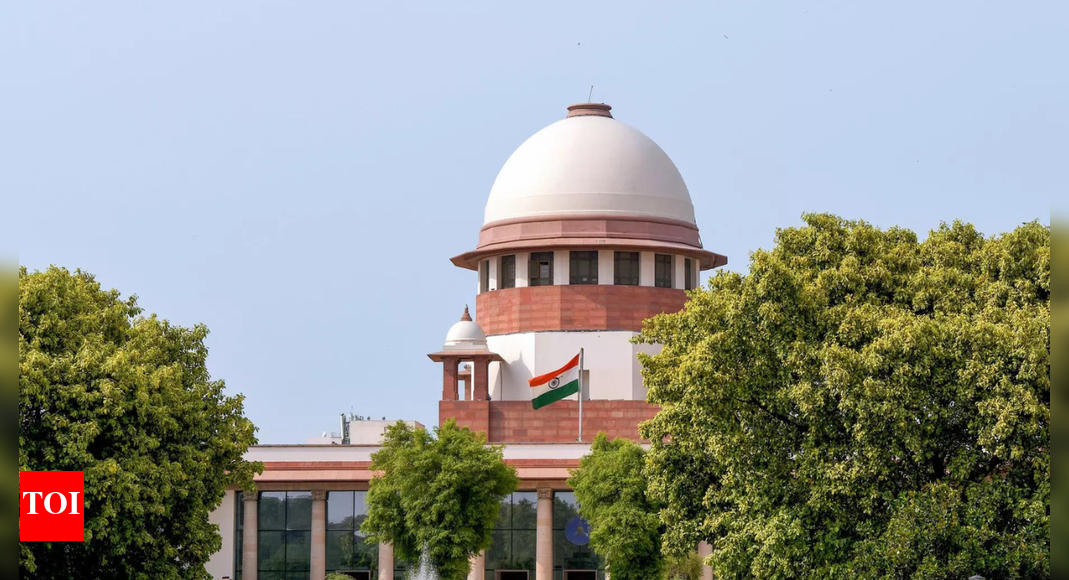
NEW DELHI: The Supreme Court on Tuesday reserved a verdict on an issue sensitive to 20,000-odd judicial officers and will decide whether those opting for the promotional route to become district judges need a quota to counter lawyers, directly recruited to the DJ post, from stealing a march over them.While the High Courts have cited constitutional mandate to request the SC to refrain from interfering in the framing of service and promotion rules and conditions, the promotional cadre of judicial officers pitched for a quota complaining that those who start their careers as judicial magistrates seldom reach the post of Principal District Judge (PDJ).The promotional cadre also told a bench of Chief Justice B R Gavai, CJI-designate Surya Kant and Justices Vikram Nath, K Vinod Chandran and Joymalya Bagchi that while a 35-year-old lawyer with seven years practice can clear a competitive examination to become district judge, the career judicial officers become district judges at an age that varies between 45-52 years in different states.But the direct recruit district judge cadre officers through several senior advocates said that there are three sources of filling DJ posts – promotion (50% of posts), direct recruitment (25%) and through limited departmental competitive examination (25%). The promotional cadre officers outnumber the directly recruited DJs by three to one and the existing ROTA-Quota system has worked well and does not need tweaking by introducing quota for promotional cadre, they said. CJI Gavai said, “In some states direct recruit DJs are in an advantageous position, while promotional cadres enjoy advantage in some other states. SO, is it not necessary that there should be a uniform promotional avenue for judicial officers to DJ post irrespective of their source of recruitment?”When some counsel apprehended that tweaking the system would fuel the existing rivalry between promotional cadre and direct recruits, the bench said, “We are only examining the issue of giving a fair opportunity to each judicial officer irrespective of their source of recruitment. The intention is to improve the efficiency of the justice delivery system.”A counsel pointed out that not even one among the present 34 SC judges have come from the promotional cadre of judicial officers, the CJI-led bench said there have been many instances in the past when judicial officers through promotion to DJ, got selected as HC Judges and then elevated as SC judges, including two CJIs.“We do not perceive it as a fight between promotional cadres and direct recruit judicial officers. This exercise is for improving the efficiency of the system of administration of justice. It is a trial-and-error method. The mechanism had been tweaked in the past. Whatever we may decide in this case may be revisited by the SC a few years later,” the bench said.


