
The profound buddhist belief behind this ancient ritual

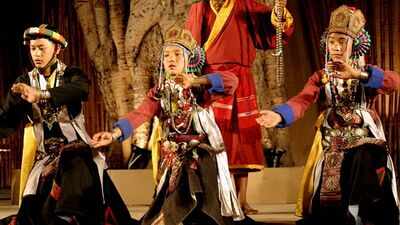
Across cultures, funeral rituals often reflect how communities understand death, the physical body and what happens after life. For the Monpa people of Arunachal Pradesh, traditional funeral practices have been shaped by Tibetan Buddhism, local customs and the Himalayan environment. Among the practices historically documented in parts of the Monpa community is a distinctive form of water burial, in which the body is cut into 108 pieces and the remains are placed into a river. The practice has been recorded particularly in the Tawang region. However, it is important to clarify that this is not the only Monpa funeral tradition and should not be presented as a custom followed by every Monpa person today. Historical and anthropological sources also describe cremation, burial and other methods of disposing of the dead.
A ritual shaped by Buddhism
The Monpas are predominantly followers of Tibetan Buddhism, and Buddhist beliefs traditionally play an important role in their ceremonies surrounding death. According to traditional beliefs described by Tawang Tourism, after death, a person’s consciousness enters an intermediate state known as bardo, traditionally understood to last up to 49 days. During this period, prayers and religious ceremonies may be performed for the deceased. Lamas and religious specialists also play an important role in determining funeral rites.This understanding of death may help explain why preserving the physical body is not central to some traditional funeral practices. In Buddhist traditions, impermanence is an important idea; the body is viewed as temporary while consciousness continues through the cycle of rebirth. The number 108 also holds a special place in Buddhist traditions. It is commonly associated with prayer malas and is used in various religious practices. Its meaning can differ depending on the tradition and cultural context.
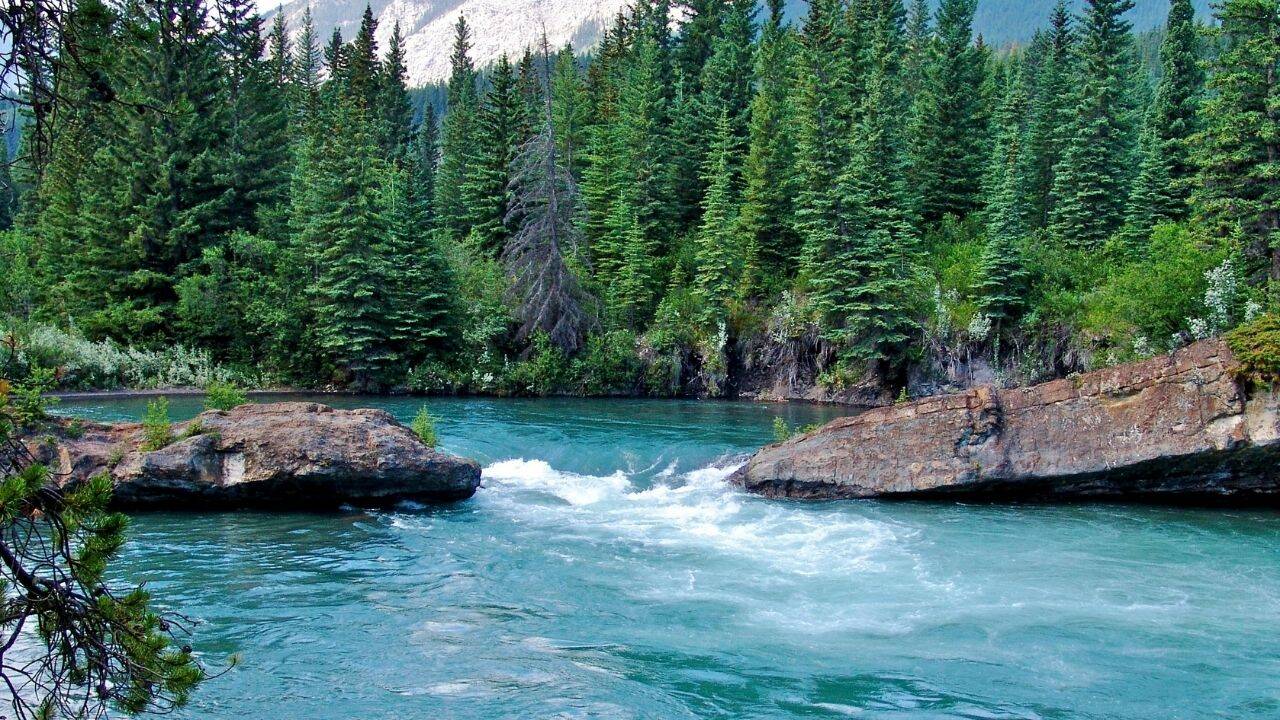
Image Credit: Canva
The 108-piece water burial
According to anthropological accounts, the traditional ceremony involves taking the body to a river and dividing it into 108 pieces. A person known as a Thampa traditionally carries out the ritual away from public view. The pieces are then placed into the river one by one, where the remains may be consumed by creatures of all sizes.Some traditional accounts describe this as a way of returning the physical body to nature, where the remains become part of the natural environment and may provide nourishment for creatures of different sizes.
How funeral customs evolved
The 108-piece water burial was not the only funeral practice among Monpa communities. Historical sources record several methods, including cremation, burial, water burial and exposure of bodies to birds, with practices varying between communities and locations. Practical conditions may also have influenced the choice of funeral method in the Himalayan environment. Access to firewood, terrain and local circumstances could make some methods more suitable than others. The custom has changed over time as funeral practices have evolved.The tradition of cutting the body into 108 pieces is a traditional water-burial practice associated with some Monpa communities. It is linked to Tibetan Buddhist beliefs, the significance of the number 108 and traditional ideas about the temporary nature of the physical body. While the practice may seem unusual today, it forms part of the Monpas’ wider cultural history and reflects the way some communities have traditionally understood death, nature and the physical body. As funeral customs have changed over time, the 108-piece water burial should not be described as a practice followed by all Monpas today.


