
The plea sought ethanol-content labelling at pumps and on bills, a vehicle-wise E20 compatibility database, an expert review of its impact, and a transition plan for incompatible vehicles. NEW DELHI: The Supreme Court on Monday refused to entertain a plea seeking mandatory disclosure of the exact ethanol content in petrol at fuel stations and on fuel purchase receipts.A bench of Justices MM Sundresh and PB Varale dismissed the plea filed by advocate Narendra Goswami, while granting him liberty to approach the concerned high court.The Attorney General for India, R Venkataramani, appearing for the Centre, argued that the petition was a proxy litigation, as the court had already dismissed a similar petition on the issue.”The petitioner wants government of India to be answerable to him,” the AG submitted, as quoted by PTI.Meanwhile, Goswami contended that he has the right to know the content of the petrol given. “Not only me but citizens at large should be informed about the composition of the fuel given to them,” he submitted.The plea sought directions to petrol pumps to prominently display the precise percentage of ethanol blended with petrol. It also sought that the ethanol content be specifically mentioned on receipts and invoices issued to consumers at fuel stations and an official vehicle-wise compatibility database covering different ethanol blends, based on factors such as manufacturer, model, engine type and year of manufacture.”Direct the respondents (Centre and others) to prepare and publish within a stipulated time an official, public, vehicle-wise compatibility database searchable by manufacturer, model, engine type and year of manufacture, indicating the suitability or otherwise of various ethanol blends for each vehicle,” Goswami added in his plea.Join conversationView All Comments →Share your thoughts in the commentsInsightfulAgreeDisagreeSkepticalConcerningPromisingWorth ReadingBig DevelopmentPost CommentBe respectful · TOI community guidelinesThe plea also called for an independent expert committee, including representatives from the petroleum and road transport ministries, the Bureau of Indian Standards and independent automobile engineers, to assess the real-world compatibility of E20 with existing vehicles.The committee was also asked to examine the impact of E20 on fuel efficiency, engine life and maintenance costs, warranty and insurance, emissions, water consumption in ethanol production, and food-security concerns.The petitioner further sought a national consumer disclosure protocol for ethanol-blended petrol and a transparent transition framework for older or incompatible vehicles, including the possible availability of lower-ethanol petrol where feasible.Get the latest India News and Live updates. Download the TOI app.About the AuthorTrisha MahajanTrisha Mahajan is a journalist with The Times of India digital, with keen interest in covering business and corporate affairs. She also reports on key national and world developments and global news trends. A keen reader with a strong interest in storytelling that adds context, clarity, and depth to complex issues.Read MoreEnd of ArticleFollow Us On Social MediaVideos‘Islam Is Greater Than Other Dharams’: Karnataka Minister Sparks Row, BJP Calls Cong ‘Anti-Hindu’FIR Against Rahul Gandhi Under SC/ST Act For ‘Giving Caste Angle’ In Haldwani ‘Purification’ RowFor Every Rs 100 Laundered, Only Re 1 Is Recovered By Authorities: CJI Surya Kant At Cambridge‘Oldest Trick In RSS Playbook’: Owaisi Slams Mohan Bhagwat’s Hindu-Muslim Unity Call In New YorkWho Is Divya Mittal? IAS Officer’s Resignation After 13 Years Sparks Online DebateIndia, Uzbekistan Ink Long-Term Uranium Deal: How The Pact Boosts Delhi’s Nuclear Ambitions7 Weeks Pregnant When She Died: Punjabi Influencer Manjeet Kaur’s Death Case Turns Murkier’Do You Feel You Are A Lord?’: Bombay High Court Raps Tukaram Mundhe-Led FDA Over MCA Order‘If Any Hindu Thinks…’: Opposition, Muslim Boards Respond To RSS Chief Bhagwat’s New York RemarksBJP Reprimands Three Delhi MPs Over Visit To Sajjan Kumar’s Home After His Death123Photostories7 health signs that may mean you’re getting older: What to look for as the years add up?Is a 2 pm to 10 pm shift more productive than 9 to 5? 5 reasons the ‘extra morning time’ may not be as useful as it soundsStunning Moroccan royal tiaras that make European crowns look almost ordinaryBigg Boss Malayalam Agnipareeksha: Meet the 12 commoners battling for a spot in the house10 baby boy names starting with the letter AYour gut bacteria need food too: 10 everyday foods that can help nourish the gut microbiome and improve gut healthExclusive – Khatron Ke Khiladi 15: Karan Wahi on doing the stunt-based show for the third time, bond with Avinash-Rithvik and performing stunts handpicked based on their fearsOptical illusion personality test: What you see first reveals how you approach difficult situations in lifeKajal to kumkum: Traditional Indian beauty products that became cultural symbolsParkinson’s isn’t always obvious: The changes in your walk, handwriting, face and voice that may be warning signs123Hot PicksNepal floodUGC NET June 2026 resultGandak riverMumbai milk priceDelhi rapeWeather tomorrowDinesh KharaGATE 2027 registrationCoal India MT answer keyTop TrendingCanyon Flash FloodStuart BroadBabaz AzamNovak DjokovicBrittany MahomesTravis Kelce BusinessKai CenatCoco GauffsNaomi OsakaLebron James

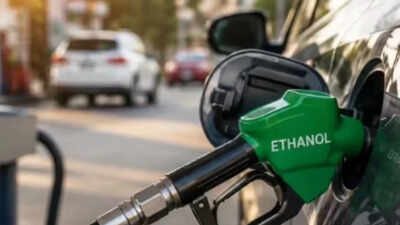
NEW DELHI: The Supreme Court on Monday refused to entertain a plea seeking mandatory disclosure of the exact ethanol content in petrol at fuel stations and on fuel purchase receipts.A bench of Justices MM Sundresh and PB Varale dismissed the plea filed by advocate Narendra Goswami, while granting him liberty to approach the concerned high court.The Attorney General for India, R Venkataramani, appearing for the Centre, argued that the petition was a proxy litigation, as the court had already dismissed a similar petition on the issue.“The petitioner wants government of India to be answerable to him,” the AG submitted, as quoted by PTI.Meanwhile, Goswami contended that he has the right to know the content of the petrol given. “Not only me but citizens at large should be informed about the composition of the fuel given to them,” he submitted.The plea sought directions to petrol pumps to prominently display the precise percentage of ethanol blended with petrol. It also sought that the ethanol content be specifically mentioned on receipts and invoices issued to consumers at fuel stations and an official vehicle-wise compatibility database covering different ethanol blends, based on factors such as manufacturer, model, engine type and year of manufacture.“Direct the respondents (Centre and others) to prepare and publish within a stipulated time an official, public, vehicle-wise compatibility database searchable by manufacturer, model, engine type and year of manufacture, indicating the suitability or otherwise of various ethanol blends for each vehicle,” Goswami added in his plea.
Share your thoughts in the comments
Be respectful · TOI community guidelines
The plea also called for an independent expert committee, including representatives from the petroleum and road transport ministries, the Bureau of Indian Standards and independent automobile engineers, to assess the real-world compatibility of E20 with existing vehicles.The committee was also asked to examine the impact of E20 on fuel efficiency, engine life and maintenance costs, warranty and insurance, emissions, water consumption in ethanol production, and food-security concerns.The petitioner further sought a national consumer disclosure protocol for ethanol-blended petrol and a transparent transition framework for older or incompatible vehicles, including the possible availability of lower-ethanol petrol where feasible.


