
The bill proposes to increase the number of Supreme Court judges from the present 33 to 37, excluding the CJI NEW DELHI: The Lok Sabha on Monday passed the Supreme Court (Number of Judges) Amendment Bill, 2026, which seeks to increase the sanctioned strength of Supreme Court judges from the present 33 to 37 (excluding the Chief Justice of India).The bill, which will now be sent to the Rajya Sabha for consideration, was passed without a debate as opposition members continued raising slogans over the NEET paper leak and the alleged theft of donations from the Ram temple.After a brief introductory statement by Union law minister Arjun Ram Meghwal, the Chair invited MPs to speak. However, with the sloganeering continuing, the bill was put to a voice vote and passed.Following the passage of the Supreme Court (Number of Judges) Amendment Bill, 2026, the House was adjourned for the day.On May 5, the Union Cabinet approved the introduction of the Supreme Court (Number of Judges) Amendment Bill, 2026 in Parliament. The legislation seeks to amend the Supreme Court (Number of Judges) Act, 1956, which provides for an increase in the number of Supreme Court judges, excluding the Chief Justice.Join conversationView All Comments →Share your thoughts in the commentsInsightfulAgreeDisagreeSkepticalConcerningPromisingWorth ReadingBig DevelopmentPost CommentBe respectful · TOI community guidelinesThe government has argued that increasing the number of judges would enable the Supreme Court to function more efficiently and effectively, while ensuring the speedy delivery of justice.The sanctioned strength of the Supreme Court was last increased from 30 to 33 judges, excluding the Chief Justice of India, through the Supreme Court (Number of Judges) Amendment Act, 2019, which amended the original Act.(With PTI inputs)Get the latest India News and Live updates. Download the TOI app.About the AuthorKaran ManralKaran Manral is a journalist at the Times of India. He covers politics, social issues, and international affairs, exploring stories that affect people’s everyday lives. He also writes explainers to make these stories easier for readers to follow.Read MoreEnd of ArticleFollow Us On Social MediaVideos’Will Lay Down Protocol’: Pellet Guns Under Supreme Court Lens After Jantar Mantar ProtestsCandidates Protest, Walk Out Of Exam Centre Over OMR Mismatch Confusion; Exam Board ClarifiesOnly One Woman Finds Place In DK Shivakumar’s Karnataka Cabinet Even After Major ExpansionDelhi Court Acquits Brij Bhushan In Wrestlers’ Sexual Harassment Case After Two-Year TrialWhy Two Crucial ISRO Satellites Are Still Waiting For Government Clearance To Launch?JPSC Protest Escalates: Devendra Mahato Begins Hunger Strike, Demands Exam Cancellation & CBI ProbeThree Bypolls: From Prashant Kishor’s Make-or-Break to BJP’S Bastion, What’s At Stake?Delhi Police To Not Register Case Against Minor Who Abused PM Modi, Say Sources‘Jihad-Producing Factories’: Taslima Nasreen Speaks On Mosques, Madrasas In Bangladesh; Demands UCCON CAM: Clash Erupts At Pappu Yadav’s Delhi Press Meet, Man Carrying Knife Detained123Photostories8 Montessori principles every parent should follow to raise confident and independent childrenMost people skip leg day, but doctors say it could be one of the smartest things you do for your heart, bones, blood sugar, and longevityAncient India’s forgotten fashion: What women wore in the era of Lord Rama8 foods served on Japan’s famous bullet trainsWomen who stay calm even when life falls apart often use these 7 simple phrases, according to psychologyWhy is there always a chair in hotel rooms? The hidden reason most guests never noticeOptical illusion brain teaser: Only the top 1% of people can spot the second ‘Hidden tiger’5 Joseon-era beauty ingredients that kept Korean skin and hair glowing long before modern skincareSamay Raina couldn’t stop eyeing Karan Aujla’s Rs 4 crore watch on ‘India’s Got Latent’, and neither can weAditi Rao Hydari swears by this high-protein Hyderabadi egg breakfast; detailed recipe inside123Hot PicksBypoll resultsPM ModiBankipur bypoll resultCET CAP Round 1 allotmentRBI FD rulePrashant KishorKarnataka cabinet expansionAssam floodsKanwar Yatra 2026Top TrendingCJP WarningBrij bhushanMadhya Pradesh Baby MurderGhaziabad Psychiatrist SuicideJeM Operative GirlfriendRuchika SharmaHamim Mondal ArrestWomen Wrestlers Sexual Harassment CaseBypoll Election Result 2026Shradha Singh

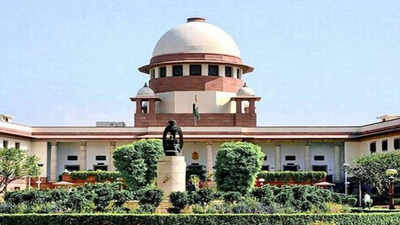
NEW DELHI: The Lok Sabha on Monday passed the Supreme Court (Number of Judges) Amendment Bill, 2026, which seeks to increase the sanctioned strength of Supreme Court judges from the present 33 to 37 (excluding the Chief Justice of India).The bill, which will now be sent to the Rajya Sabha for consideration, was passed without a debate as opposition members continued raising slogans over the NEET paper leak and the alleged theft of donations from the Ram temple.After a brief introductory statement by Union law minister Arjun Ram Meghwal, the Chair invited MPs to speak. However, with the sloganeering continuing, the bill was put to a voice vote and passed.Following the passage of the Supreme Court (Number of Judges) Amendment Bill, 2026, the House was adjourned for the day.On May 5, the Union Cabinet approved the introduction of the Supreme Court (Number of Judges) Amendment Bill, 2026 in Parliament. The legislation seeks to amend the Supreme Court (Number of Judges) Act, 1956, which provides for an increase in the number of Supreme Court judges, excluding the Chief Justice.
Share your thoughts in the comments
Be respectful · TOI community guidelines
The government has argued that increasing the number of judges would enable the Supreme Court to function more efficiently and effectively, while ensuring the speedy delivery of justice.The sanctioned strength of the Supreme Court was last increased from 30 to 33 judges, excluding the Chief Justice of India, through the Supreme Court (Number of Judges) Amendment Act, 2019, which amended the original Act.(With PTI inputs)


