
Taller than humans, blooming once in seven years: Meet the rare Himalayan ‘Diamond’ flower that defies nature |

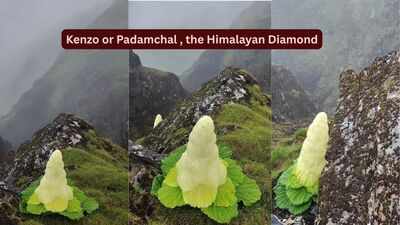
Have you ever seen a flower that can grow taller than a human? If not, you need to see the incredible Himalayan Diamond that grows at more than 4,000 metres above sea level in the icy terrains of the Himalayas. Guided by icy winds and nourished by freezing nights. The flower, locally known as the Kenzo or Padamchal is a rare alpine bloom. Towering above surrounding vegetation, sometimes reaching heights taller than an adult human, this lesser-known Himalayan beauty takes seven to fifteen years to produce a single bloom. The flower has fascinated trekkers, and traditional healers for generations.But this is not your regular colourful wildflowers. These are the Himalayan Diamonds growing some of the world’s highest mountain landscapes. The journey to witness it is as memorable as the flower itself.Kenzo in the high Himalayas The Kenzo (Padamchal) flower is an alpine plant that evolved to survive one of Earth’s harshest environments. It grows in rocky alpine slopes and glacial moraines at elevations above 4,000 metres. Oxygen here is nearly 40% lower than at sea level. It’s hard to reach. The flower has an impressive height. It can often go beyond two metres in favourable conditions. As per Himalayan botanical studies, there are several such high-altitude plants.Why it is called the ‘Himalayan Diamond’It’s a rare flower. But the nickname doesn’t only come from its rarity but also from the flower’s remarkable resilience. It lives and thrives under intense ultraviolet radiation, freezing temperatures and strong mountain winds, against all odds. And that’s why it comes across as a diamond. Spotting a blooming specimen is considered a privilege among experienced trekkers as flowering may occur only once after several years of growth.Where to spot the Himalayan DiamondValley of Flowers National Park, Uttarakhand
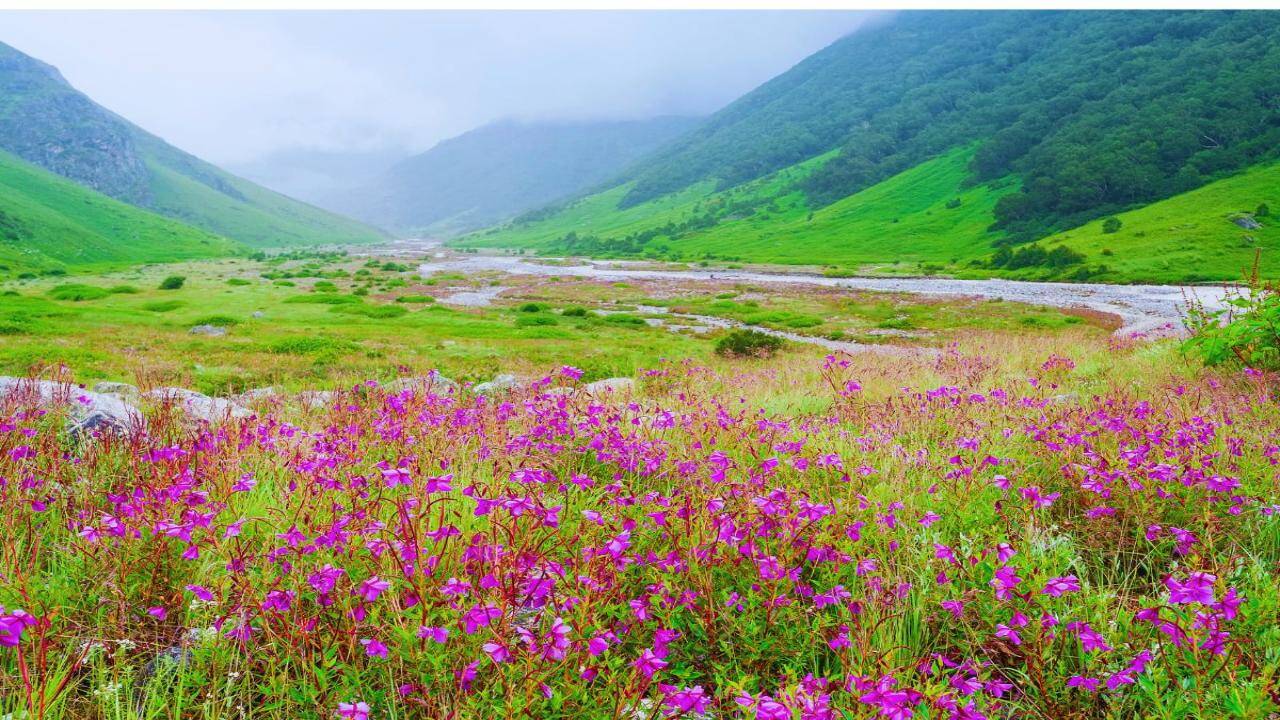
Valley of flowers
The Valley of Flowers National Park in Uttarakhand is a UNESCO World Heritage Site. It is also India’s most celebrated flower destination which opens for trekkers during July and August. This is the best time to visit the park as hundreds of Himalayan flowering species transform the valley into a natural botanical garden. Hemkund Sahib region, UttarakhandThe trek to Hemkund Sahib passes through alpine meadows. It is a hotspot for several rare Himalayan plants. The region’s harsh climate closely matches the habitat preferred by many high-altitude medicinal flowers.Gangotri National ParkMany trekkers have seen the bloom in remote Gangotri valleys as the region offers a perfect habitat for rare Himalayan flora. Trekkers heading towards Gaumukh and Tapovan often pass through landscapes where specialised alpine vegetation flourishes.North Sikkim
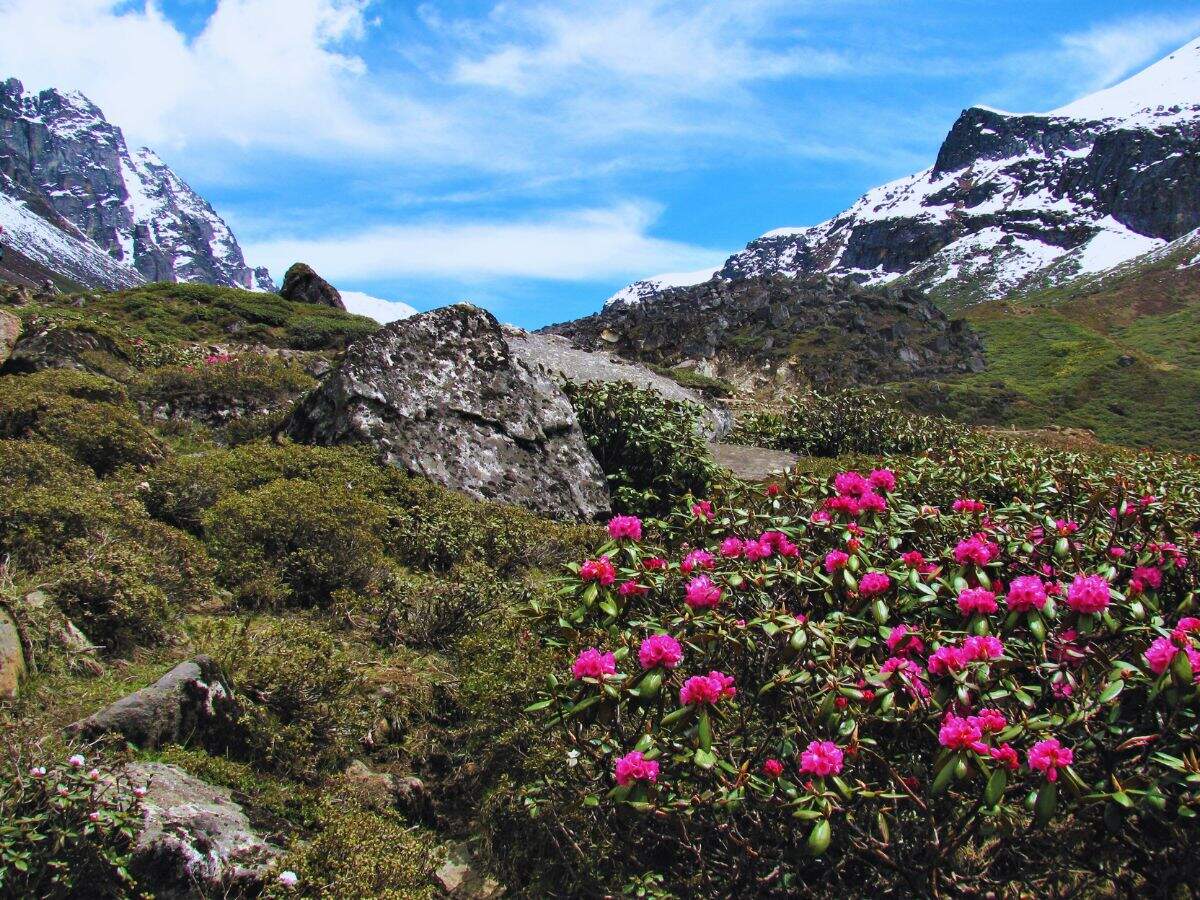
North Sikkim
Then there is North Sikkim which is another heaven for alpine meadows. The region around Yumthang, Zero Point and Lachen and Lachung support an extraordinary variety of Himalayan flowering plants. Bhutan HimalayasRecent botanical surveys have photographed these remarkable alpine flowers growing near the base camp of Mount Jomolhari at approximately 4,300 metres. Researchers noted that their specialised protective bracts create a greenhouse-like microclimate around the flowers.A medicinal treasure
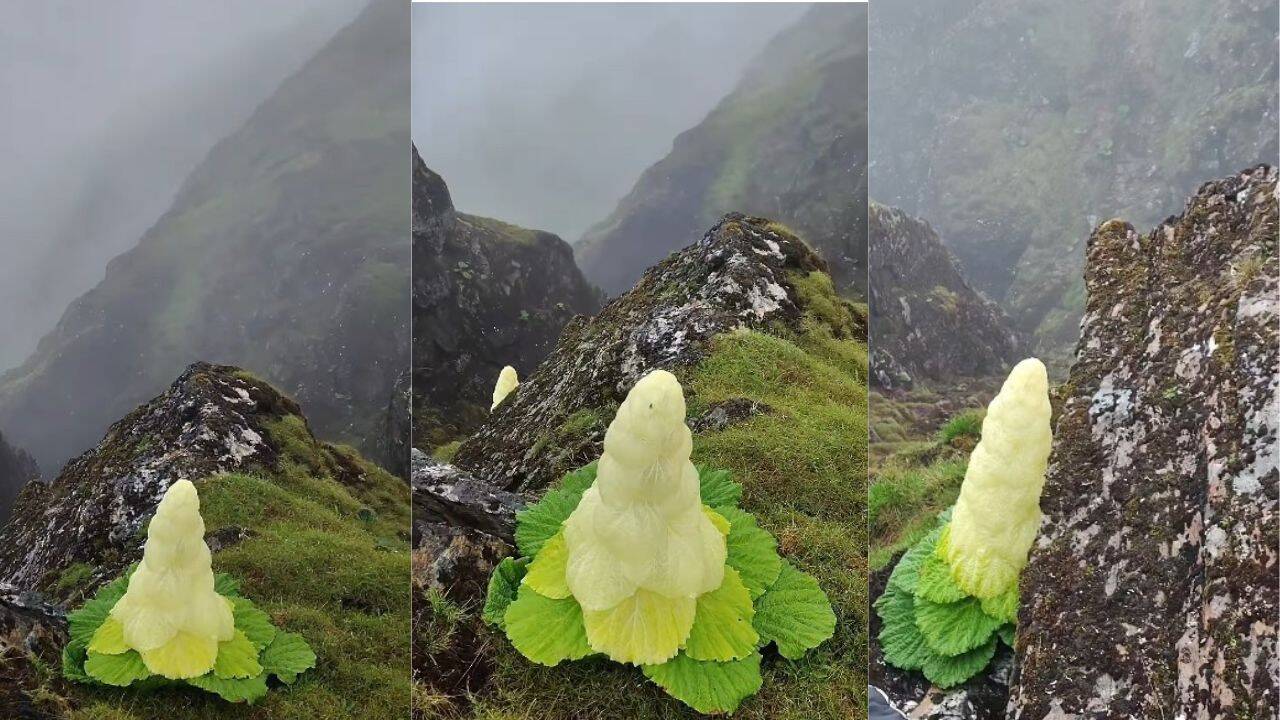
The rare Himalayan Diamond
For centuries, local communities across the Himalayas have valued the Kenzo (Padamchal) for its medicinal properties. The flower is used on:Cuts and woundsFracturesHeadachesIndigestionInflammationHowever, as per recent ecological studies, suitable habitats for many high-altitude species may continue to shrink as temperatures rise, making conservation efforts more important than ever. Visitors are strongly encouraged to admire the flower in its natural habitat without picking or disturbing it. How to plan your visitThe best time to explore these alpine landscapes is late July to early September. Because most habitats lie above 4,000 metres, travellers should acclimatise properly and stay hydrated all the time.In a world where many flowers bloom every year, this extraordinary alpine survivor reminds us that nature’s greatest spectacles often demand both time and respect.


