
Shinde faction set to induct six rebel MPs from Uddhav camp (Images/Agencies) NEW DELHI: The Supreme Court on Thursday observed that the constitution of the previously undivided Shiv Sena had undergone a “significant transformation” over the years and eventually became “virtually a one-party structure.”A bench comprising Chief Justice of India Surya Kant and Justices Joymalya Bagchi and V Mohana made the remark while hearing the Uddhav Thackeray faction’s challenge to the Election Commission’s decision recognising the Eknath Shinde-led faction as the “real Shiv Sena.””Originally, the party constitution was founded on democratic principles. Subsequently, it was amended and became virtually a one-person structure,” PTI quoted CJI Kant as observing.Senior advocate Kapil Sibal, appearing for the Uddhav Thackeray faction, countered that the Election Commission had “no authority” to scrutinise the validity or democratic character of a political party’s constitution while adjudicating a symbol dispute.In response, the CJI said that the debate goes beyond the Commission’s jurisdiction and touched upon the larger constitutional expectation of democratic functioning within political parties.”When we speak of democratic principles and institutions safeguarding democratic values, the question naturally arises whether a political party is itself expected to function democratically,” he added.Sibal agreed that political parties should ideally function democratically but argued that they cannot be equated with constitutional authorities.”But there is a distinction. Constitutional institutions perform constitutional functions, whereas political parties perform political functions. The standard of institutional integrity is necessarily much higher when a constitutional authority exercises its powers. A political decision can always be corrected. But a decision of the Election Commission, once taken in these circumstances, often cannot practically be undone,” he argued.Join conversationView All Comments →Share your thoughts in the commentsInsightfulAgreeDisagreeSkepticalConcerningPromisingWorth ReadingBig DevelopmentPost CommentBe respectful · TOI community guidelinesThe hearing will continue on August 11.The Shiv Sena was founded in June 1966 by Bal Thackeray. After his death in November 2012, his son Uddhav Thackeray took over as party chief. The Shiv Sena split in June 2022, with one faction led by Uddhav Thackeray and the other by Eknath Shinde after the latter’s rebellion.Following the split, Shinde approached the Election Commission, seeking recognition as the “real” Shiv Sena and claiming the party’s name and its iconic bow and arrow symbol. In February 2023, the poll panel recognised his faction as the “real” Shiv Sena, a decision challenged by the Uddhav camp in the Supreme Court.In deciding the dispute, the Commission primarily relied on the numerical strength of the party’s legislators rather than giving greater weight to its organisational wing.Get the latest India News and Live updates. Download the TOI app.About the AuthorKaran ManralKaran Manral is a journalist at the Times of India. He covers politics, social issues, and international affairs, exploring stories that affect people’s everyday lives. He also writes explainers to make these stories easier for readers to follow.Read MoreEnd of ArticleFollow Us On Social MediaVideosJharkhand’s ‘Sonam Wangchuk 2.0′ Devendra Nath Mahato Enters Day 5 Of Indefinite Hunger Strike Fast’Not Enemies’: Rijiju Meets Rahul Gandhi Over Sansad Logjam, Reacts To Amit Shah Statement DemandAtiq Ahmed’s Youngest Son Abaan Dies In Jhansi Road Accident, Conflicting Accounts Emerge Over Crash‘Youth Wants CJP To Become Political Party’: Dipke, Saurav Das Announce ‘Kya Bolti Public’ CampaignBombay HC Convicts Tehelka Founder Tarun Tejpal In 2013 Sexual Assault Case; Reverses 2021 AcquittalThe Bankipur Effect: How One Bypoll Has Put BJP’s Upper-Caste Strategy Under The SpotlightSupreme Court Frees Man After 22 Years In Jail, Overturns Wrong ConvictionJPSC-JSSC Protesters Hold Tiranga March In Ranchi Ahead Of Aug 10 Assembly Gherao Over Leak RowKanpur-Lucknow Expressway Toll Suspended After Road Slippage, NHAI Acts Against Contractor’It’s My Moral Call To Be Here’: Author Nilotpal Mrinal Joins Ranchi Student Protest123PhotostoriesRakul Preet Singh and Jackky Bhagnani look straight out of modern-day ‘Ramayan’ in regal Gopi Vaid ensembles10 trendy three-letter baby names with beautiful meaningsYour 50s could decide how many years you live without dementia: Study says controlling 3 midlife health risks may add up to 12.6 healthy brain yearsJacqueline Fernandez proves charcoal is the new black in a show-stopping Manish Malhotra ensembleNo parenting book can prepare you for this: 7 powerful lessons every parent only learns through experienceNot everything you were taught was meant to set you free: 8 beliefs every woman needs to unlearn to finally live life on her own terms5 simple ways to reheat pizza so it tastes fresh again: Which method works best and why5 subtle signs the universe is preparing you for a new beginningInside Nagma Mirajkar’s dreamy Mumbai home: A massive living room, a balcony with stunning views and more10 money habits you should learn in your 20s to build long-term wealth123Hot PicksSaurav DasDelhi rainAbhijeet DipkeRRB ALP CBT 2 answer keyTN Agriculture BudgetTASMAC OnlineAnkur WarikooUPI transactionsGold rate todayTop TrendingAkhilesh YadavNagpur Rape CaseAbhijeet DipkeTasmac Liquor Online PurchaseJPSC ProtestNagpur Rape CaseDelhi Wife MurderAkhilesh YadavTamil Nadu BudgetPraveen Nettaru Murder Case

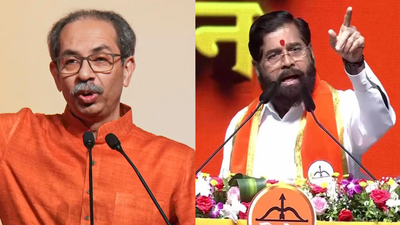
NEW DELHI: The Supreme Court on Thursday observed that the constitution of the previously undivided Shiv Sena had undergone a “significant transformation” over the years and eventually became “virtually a one-party structure.“A bench comprising Chief Justice of India Surya Kant and Justices Joymalya Bagchi and V Mohana made the remark while hearing the Uddhav Thackeray faction’s challenge to the Election Commission’s decision recognising the Eknath Shinde-led faction as the “real Shiv Sena.”“Originally, the party constitution was founded on democratic principles. Subsequently, it was amended and became virtually a one-person structure,” PTI quoted CJI Kant as observing.Senior advocate Kapil Sibal, appearing for the Uddhav Thackeray faction, countered that the Election Commission had “no authority” to scrutinise the validity or democratic character of a political party’s constitution while adjudicating a symbol dispute.In response, the CJI said that the debate goes beyond the Commission’s jurisdiction and touched upon the larger constitutional expectation of democratic functioning within political parties.“When we speak of democratic principles and institutions safeguarding democratic values, the question naturally arises whether a political party is itself expected to function democratically,” he added.Sibal agreed that political parties should ideally function democratically but argued that they cannot be equated with constitutional authorities.“But there is a distinction. Constitutional institutions perform constitutional functions, whereas political parties perform political functions. The standard of institutional integrity is necessarily much higher when a constitutional authority exercises its powers. A political decision can always be corrected. But a decision of the Election Commission, once taken in these circumstances, often cannot practically be undone,” he argued.
Share your thoughts in the comments
Be respectful · TOI community guidelines
The hearing will continue on August 11.The Shiv Sena was founded in June 1966 by Bal Thackeray. After his death in November 2012, his son Uddhav Thackeray took over as party chief. The Shiv Sena split in June 2022, with one faction led by Uddhav Thackeray and the other by Eknath Shinde after the latter’s rebellion.Following the split, Shinde approached the Election Commission, seeking recognition as the “real” Shiv Sena and claiming the party’s name and its iconic bow and arrow symbol. In February 2023, the poll panel recognised his faction as the “real” Shiv Sena, a decision challenged by the Uddhav camp in the Supreme Court.In deciding the dispute, the Commission primarily relied on the numerical strength of the party’s legislators rather than giving greater weight to its organisational wing.


