
Seabird Crisis: Why California’s mass seabird die-off could be more than a temporary tragedy


Thousands of seabirds washing up along California’s coastline have become a heartbreaking symbol of a marine ecosystem under extreme stress. Emaciated birds are turning up dead or starving in unusually high numbers, from brown pelicans and common murres to cormorants, grebes and loons. Wildlife rehabilitation centres are struggling to cope, while scientists warn what is unfolding could be one of the clearest signs yet of how climate-driven ocean changes are disrupting marine life.The crisis is being driven by a combination of an unusually sustained marine heatwave and the development of El Niño conditions in the centre. Together, these events are heating the Pacific Ocean off the coast of California, disrupting the flow of nutrients that support the marine food web. Seabird die-offs are not uncommon, but researchers worry the current event may not simply go away with the seasons. Instead, it could be an indication of longer-term changes to ocean ecosystems due to climate change.What’s killing the seabirds?Unlike many terrestrial birds, seabirds depend almost entirely on healthy ocean ecosystems to survive. Brown pelicans, common murres and cormorants, for example, consume schooling fish like anchovies, sardines, and herring, along with krill. This balance is dramatically disrupted by marine heatwaves. Normally winds along California’s coast push cold nutrient rich water from deep in the ocean to the surface in a process called upwelling. These nutrients support the growth of phytoplankton, which is the food for zooplankton, which is food for fish, which is the base of the marine food chain. But if ocean temperatures remain unusually warm for months, the upwelling weakens. Nutrient levels drop, plankton populations dwindle and the fish seabirds rely on either become scarce or move further offshore and into deeper, cooler waters. There isn’t enough food for the birds to find. Scientists surveying California beaches have reported many birds that are so starved they can’t fly. Some cormorants were seen walking up onto beaches and dying minutes later. Pelicans have even been spotted looking for food in lakes far inland, something rarely seen in normal times.
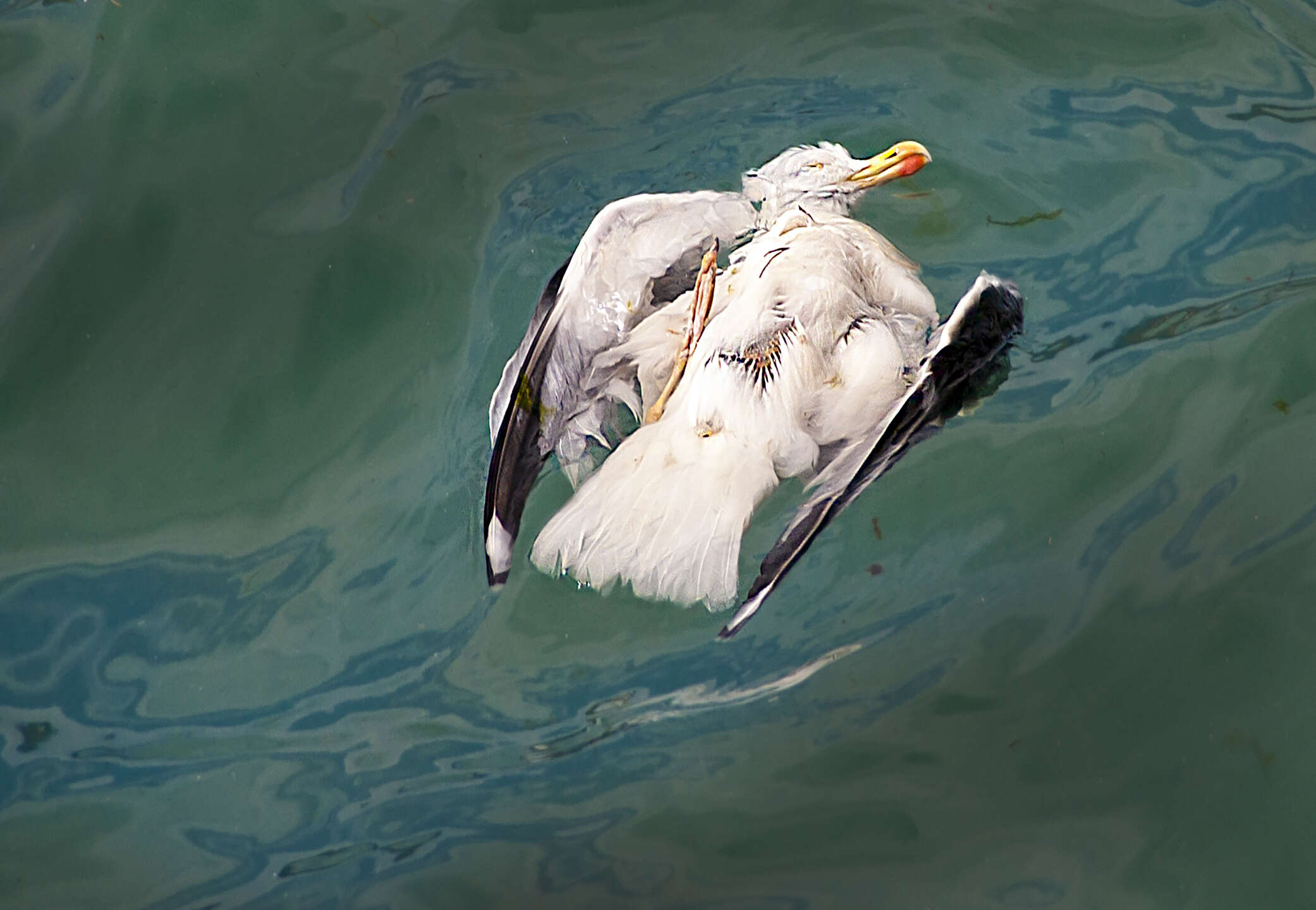
Marine researchers warn not all seabird deaths this year are directly linked to the marine heatwave
Marine heatwaves are occurring more oftenMarine heatwaves are periods when ocean temperatures are much higher than normal. Natural climate variability contributes to these events, but climate change is making them more frequent, more intense, and longer-lasting. The marine heatwave off California has lasted for many months, making it only the third such event of this magnitude recorded along parts of the US West Coast. Scientists at long-running coastal monitoring stations have reported record-breaking ocean temperatures during the ongoing marine heatwave.Warmer oceans are affecting marine mammals, commercially important fish species, whales and even microscopic plankton. Scientists said “everything in the whole ecosystem is showing signs of stress. El Niño may make things worseThe return of El Niño adds to that concernEl Niño is a naturally occurring climate pattern that includes unusually warm water developing across parts of the equatorial Pacific Ocean. It drives weather patterns around the globe, and often pushes up temperatures worldwide. Marine heatwaves and El Nino are separate phenomena, but they can interact. Before the official development of El Niño, scientists say ocean temperatures were already exceptional due to the current marine heatwave. As the El Niño intensifies, the nutrient-rich upwelling could be reduced further, extending the food shortages that affect seabirds and many other marine species. Currently, forecasts indicate that the event will continue well into 2027, making the duration of ecological effects even more uncertain.
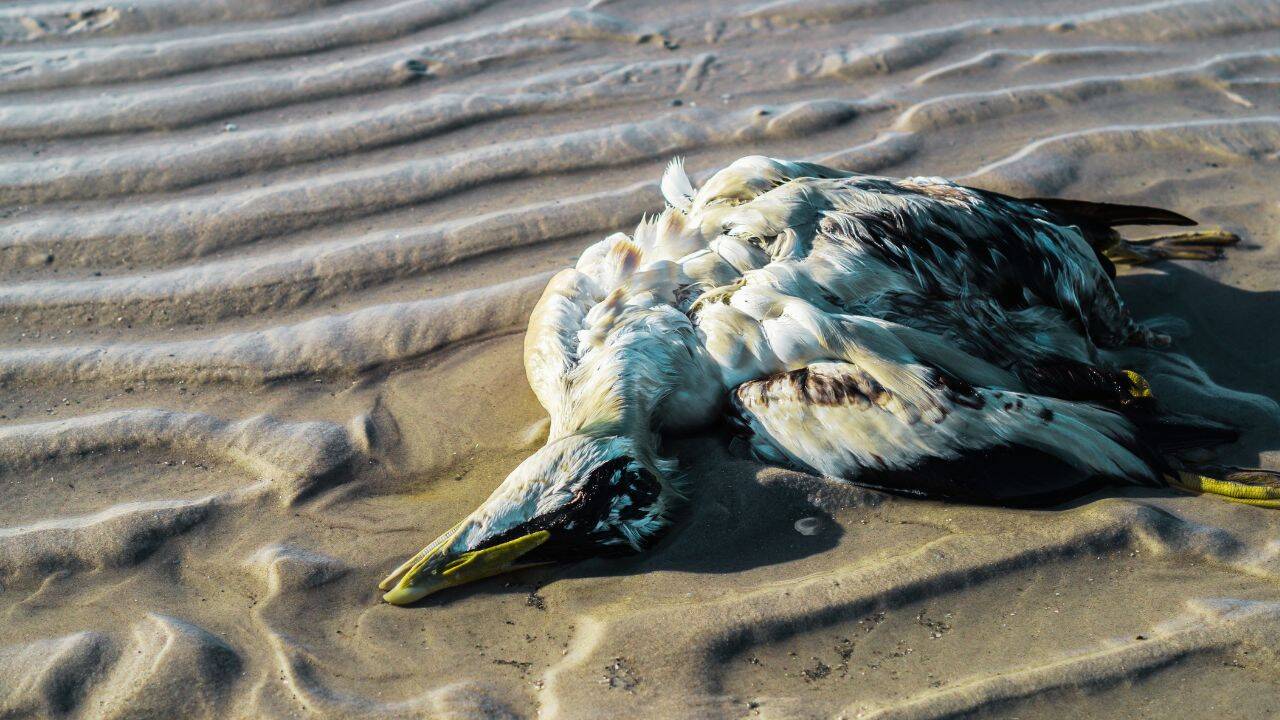
The greatest worry isn’t simply the number of birds dying today, but what repeated events like this could mean for the future of marine ecosystems. (Canva)
Why this could be a long-term problemThe biggest concern for marine scientists is that this may not be just another seasonal wildlife event. And there are a few reasons for that. Climate change makes the odds more likely. Research shows, without exception, that climate change is increasing the frequency and intensity of marine heatwaves. According to the United Nations and the Intergovernmental Panel on Climate Change (IPCC), marine heatwaves have roughly doubled in frequency since the 1980s and have become longer-lasting, more intense and more widespread. What were once relatively rare events are becoming increasingly common as the climate continues to warm.It can take years to recoverHistory is a sobering example. From 2013 to 2016, the Pacific experienced the infamous marine heatwave known as “The Blob”, which coincided with a strong El Niño. It led to one of the biggest seabird die-offs ever recorded. A study published in the journal Science in December 2024 estimated that about 4 million common murres, roughly half of Alaska’s population, died during the marine heatwave, making it the largest single-species wildlife mortality event recorded in modern history. Nearly a decade later, many breeding colonies have shown little or no recovery.The real death toll is probably far higherThe birds washing ashore are probably only a small fraction of the total mortality. Scientists estimate that only a small percentage of birds that die at sea are ever washed up on beaches by waves and currents. That means the carcasses washing up on the beach are just the tip of a much larger ecological disaster that’s playing out offshore.A warning to the entire marine ecosystemSeabirds are often seen as sentinel species. Because they sit high in marine food webs and respond quickly to changes in the availability of their prey, their health provides important insight into the condition of the larger ecosystem. When seabirds start to starve, it is often a signal that problems are already impacting multiple levels of the food web. Less plankton means less forage fish. Less food for salmon, tuna, whales, seals, dolphins and larger predatory fish. Commercial fisheries could also be impacted in terms of catch, which would impact coastal economies and food security. So scientists see the seabird crisis not just as a wildlife issue but as a sign that the Pacific ecosystem itself is under growing stress.
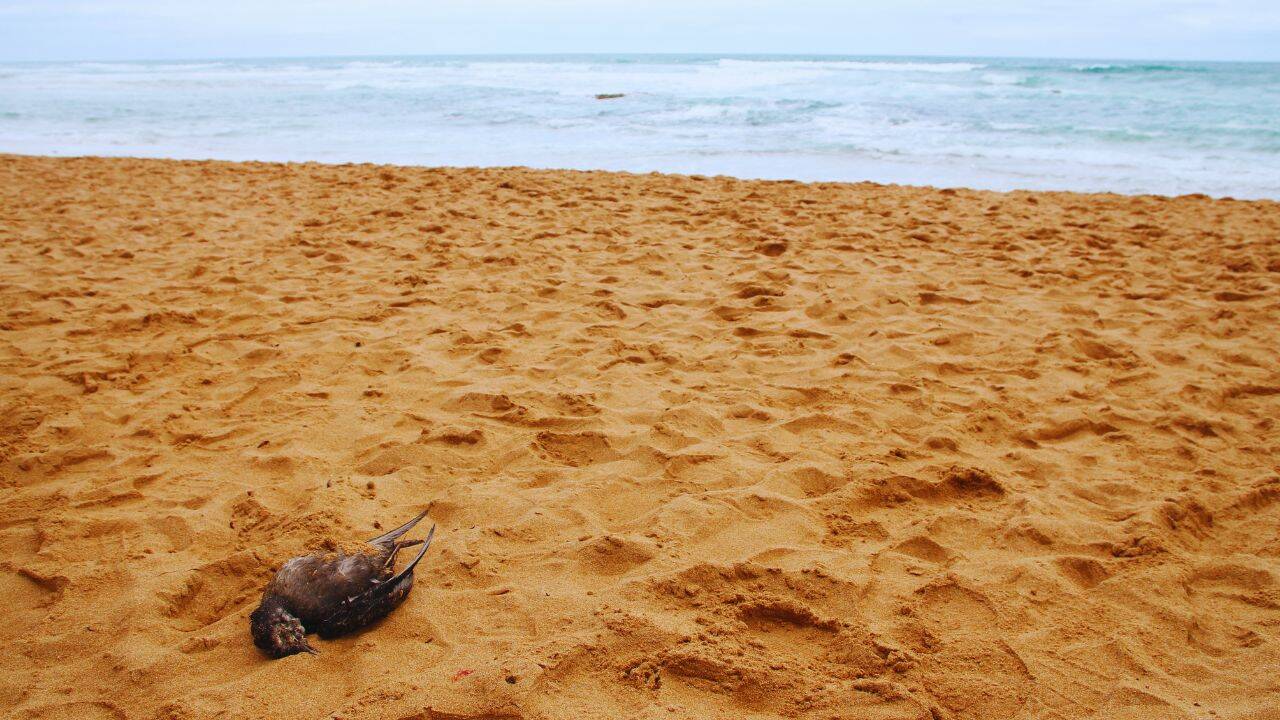
Ecosystems may have less time to recover between crises
Broader environmental impactsThe impacts extend far beyond the birds themselves. Seabirds are essential to the ecology of coastal islands, carrying nutrients from the ocean in their droppings, or guano. The nutrients fertilise the island vegetation and support the insects, reptiles and other wildlife. Fewer seabirds means fewer nutrients being transferred, potentially changing the whole island ecosystem. Their decline also affects predators and scavengers that feed on seabird eggs, chicks or carcasses. Simultaneously, warming oceans are pushing some warm-water species further north and cold-water species into shrinking habitats, producing entirely new ecological interactions that scientists are just beginning to understand.Scientists watch closelyMarine researchers warn not all seabird deaths this year are directly linked to the marine heatwave. Other factors include natural mortality, disease and the stress of breeding. But the unusually large number of starving birds, and the fact that record ocean temperatures and declining prey availability are persisting, strongly suggests that warming ocean conditions are playing a major role. Wildlife rehabilitation centres are still treating hundreds of birds that have been weakened and long-term surveys of beaches are helping scientists to understand the scale of the crisis. Their greatest worry isn’t simply the number of birds dying today, but what repeated events like this could mean for the future of marine ecosystems.The larger pictureCalifornia’s seabird crisis is a stark reminder that climate change is no longer a distant environmental issue that can be boiled down to rising temperatures or melting glaciers. It is changing the oceans on which countless forms of life depend. Marine heatwaves and El Nino have combined to create conditions that starve seabirds, disrupt food webs and put immense pressure on marine biodiversity. If they become more frequent, as climate projections suggest, ecosystems may have less time to recover between crises. To scientists, the dead birds washing up on California’s beaches are more than just one-off casualties. They are alarms from an ocean whose natural balance is increasingly difficult to hold on to.


