
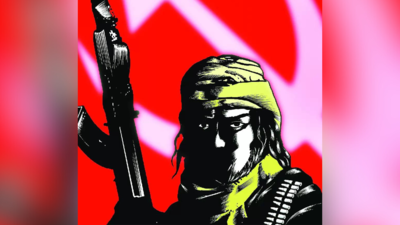
Representative image NEW DELHI: The government on Friday highlighted what it described as a major milestone in India’s fight against Left-Wing Extremism (LWE), stating that the country became effectively free from Naxalism on March 31, 2026 after decades of insurgency-related violence.The outcome, the government claimed, was the result of sustained efforts over the past 12 years that combined security operations, development initiatives, welfare programmes and rehabilitation measures. The approach also included technology-driven interventions aimed at strengthening intelligence gathering, surveillance and coordination among agencies. Authorities said these measures led to a decline in violence, encouraged cadres to surrender and helped improve access to infrastructure and public services in affected areas.For nearly six decades, Left-Wing Extremism remained a significant challenge in several parts of the country, particularly in remote and tribal regions. The conflict affected millions of people, with many areas witnessing prolonged violence and limited access to development and government services.Reflecting on the government’s commitment to internal peace, Minister Rai stated, “India has become completely free of Naxalism as of April 2026.” He highlighted that this achievement is the result of a sustained, zero-tolerance strategy against extremism.The movement traces its origins to the Naxalbari uprising in West Bengal in 1967 and drew inspiration from Maoist ideology and the concept of armed revolution. Over time, several extremist groups operated across different regions before merging under the banner of the CPI (Maoist) in 2004. The organisation subsequently emerged as the principal face of the insurgency and came to be regarded as one of India’s most serious internal security challenges.Official data show that the period between 2004 and 2014 was among the most violent phases of the conflict. Violence peaked in 2010, when 1,936 incidents were recorded and 720 civilians were killed. During the decade, there were 17,542 incidents of violence, resulting in the deaths of 1,913 security personnel and 5,019 civilians.The government noted that responses to the insurgency during this period were often fragmented, with states pursuing different approaches. In 2009, the Centre described Naxalism as the country’s biggest internal security challenge, citing its geographical spread across large parts of central and eastern India.When the present government assumed office in May 2014, the Red Corridor continued to pose a major security concern. According to the government, earlier responses had largely focused on containing incidents rather than addressing underlying issues linked to security, governance and development.Subsequently, a broader strategy was adopted that combined security measures with development projects, welfare interventions, improved infrastructure, intelligence-led operations and rehabilitation schemes for surrendered cadres. The government said the approach contributed to a sustained reduction in violence and the shrinking influence of Left-Wing Extremist groups across affected regions.The declaration made on 31 March 2026 marks the government’s assessment that Left-Wing Extremism no longer poses the scale of threat it once did, bringing to a close a chapter that shaped India’s internal security discourse for decades.Get the latest India news and live updates. Download the TOI App.About the AuthorTOI News DeskThe TOI News Desk comprises a dedicated and tireless team of journalists who operate around the clock to deliver the most current and comprehensive news and updates to the readers of The Times of India worldwide. With an unwavering commitment to excellence in journalism, our team is at the forefront of gathering, verifying, and presenting breaking news, in-depth analysis, and insightful reports on a wide range of topics. The TOI News Desk is your trusted source for staying informed and connected to the ever-evolving global landscape, ensuring that our readers are equipped with the latest developments that matter most.”Read MoreEnd of ArticleFollow Us On Social MediaVideosJio Files DRHP With SEBI | Mukesh Ambani Hands IPO Leadership To Isha, Akash & AnantFrom ‘Brother-in-Ideals’ To A Cold Greeting: Stalin’s Message Exposes DMK-Congress RiftLNG Tanker ‘DISHA’ Reaches Gujarat After Hormuz Crossing, Boosting India’s Energy ConfidenceUP CM Yogi Adityanath Defends SIT Probe In Ram Mandir Donation Row, Says Truth Will Be RevealedCockroach Janta Party Seeks ₹1 Crore Compensation For Families Amid NEET Suicide CrisisEx-PM I.K. Gujral’s Son Duped Of ₹7.8 Crore, Cops Claim ‘Majority’ Of Amount | WatchAnthropic CEO Dario Amodei’s ‘Disorganised’ India AI Summit Remark Triggers Congress-BJP FaceoffTelegram Loses Court Battle As Delhi HC Refuses To Lift Temporary Block | WatchCross-Voting Shock? NDA-Backed Nathwani Wins As India Bloc’s Math Collapses | Watch’Exporting Terror Has Costs’: India Rejects Pakistan’s Claims At UN Human Rights Council123PhotostoriesWhy were women banned from doing makeup on Bollywood sets? Sonam Kapoor’s makeup artist explains the breaking of the 59-year-old barrierInside Nia Sharma’s stunning Mumbai home: A luxe bar, breathtaking skyline views and lavish interiorsJanhvi Kapoor’s Kota silk gold zari saree is a fit made for the gods with devotion, heritage, and luxury energyThis Himalayan village is famous for its 32 hairpin bends and ancient silk routeSamantha Ruth Prabhu consumes 100g protein daily at just 50 kg, has banned ‘superfoods’ from diet after myositis diagnosisThings every 90s kid learned that children rarely experience todayJapanese proverb of the day on relationships: “If the fish has a mind, so does…”5 everyday habits to heal and balance your throat chakraSamantha Ruth Prabhu’s fiery red saree sets the stage for an iconic reunion with TN Chief Minister Thalapathy VijayConjunctivitis cases surge during monsoon: Eye doctor shares 10 simple ways to protect your eyes and prevent infection123Hot PicksEngland vs New ZealandYuvraj SinghLionel MessiAP SSC resultsKannur University FYUGP TrialShiv SenaJD VanceStrait of HormuzHormoz nuclear power plantTop TrendingBihar gang-rapeUS-Iran Peace DealStock Market LiveFIFA World Cup 2026What is Legacy BadgeBEST bus strikeAIIMS BSc Nursing Admit CardMHT CET PCM 2nd attempt resultsGold rate todayIndia-UK FTA

NEW DELHI: The government on Friday highlighted what it described as a major milestone in India’s fight against Left-Wing Extremism (LWE), stating that the country became effectively free from Naxalism on March 31, 2026 after decades of insurgency-related violence.The outcome, the government claimed, was the result of sustained efforts over the past 12 years that combined security operations, development initiatives, welfare programmes and rehabilitation measures. The approach also included technology-driven interventions aimed at strengthening intelligence gathering, surveillance and coordination among agencies. Authorities said these measures led to a decline in violence, encouraged cadres to surrender and helped improve access to infrastructure and public services in affected areas.For nearly six decades, Left-Wing Extremism remained a significant challenge in several parts of the country, particularly in remote and tribal regions. The conflict affected millions of people, with many areas witnessing prolonged violence and limited access to development and government services.Reflecting on the government’s commitment to internal peace, Minister Rai stated, “India has become completely free of Naxalism as of April 2026.” He highlighted that this achievement is the result of a sustained, zero-tolerance strategy against extremism.The movement traces its origins to the Naxalbari uprising in West Bengal in 1967 and drew inspiration from Maoist ideology and the concept of armed revolution. Over time, several extremist groups operated across different regions before merging under the banner of the CPI (Maoist) in 2004. The organisation subsequently emerged as the principal face of the insurgency and came to be regarded as one of India’s most serious internal security challenges.Official data show that the period between 2004 and 2014 was among the most violent phases of the conflict. Violence peaked in 2010, when 1,936 incidents were recorded and 720 civilians were killed. During the decade, there were 17,542 incidents of violence, resulting in the deaths of 1,913 security personnel and 5,019 civilians.The government noted that responses to the insurgency during this period were often fragmented, with states pursuing different approaches. In 2009, the Centre described Naxalism as the country’s biggest internal security challenge, citing its geographical spread across large parts of central and eastern India.When the present government assumed office in May 2014, the Red Corridor continued to pose a major security concern. According to the government, earlier responses had largely focused on containing incidents rather than addressing underlying issues linked to security, governance and development.Subsequently, a broader strategy was adopted that combined security measures with development projects, welfare interventions, improved infrastructure, intelligence-led operations and rehabilitation schemes for surrendered cadres. The government said the approach contributed to a sustained reduction in violence and the shrinking influence of Left-Wing Extremist groups across affected regions.The declaration made on 31 March 2026 marks the government’s assessment that Left-Wing Extremism no longer poses the scale of threat it once did, bringing to a close a chapter that shaped India’s internal security discourse for decades.


