
Representative AI image NEW DELHI: India’s doctors are raising the alarm over a little-known condition that could quietly rob millions of older people of their mobility and independence: sarcopenia, or age-related muscle loss.To tackle the problem, the Geriatric Society of India has released the country’s first “Indian Guidelines for the Evaluation and Management of Sarcopenia.” The recommendations, developed by experts across multiple specialties including geriatric medicine, orthopaedics, endocrinology, physiotherapy and nutrition, aim to help doctors detect and treat muscle loss early — before it leads to falls, disability and loss of independence.Israel Iran WarUS-Israel-Iran War Live Updates: Third US carrier on way as Israel launches ‘extensive strikes’ on IranTemporary Waiver For Russian Oil: US allows India to buy stranded crude; move aims to ease supply pressures’Landed in US hoping to kill Trump’: Pakistani man convicted in murder-for-hire plot, says Iran forced him Must-try strength training exercises for maximum muscle growth Sarcopenia, which literally means “loss of flesh,” refers to the gradual decline in muscle mass, strength and physical function with ageing. Doctors say it is often overlooked but can significantly increase the risk of fractures, hospitalisation and even death.The concern comes as India’s population ages rapidly. By 2050, the country is expected to have around 319 million people aged 60 and above, more than one-fifth of the population. Experts warn that without preventive steps, sarcopenia could become a major public health challenge.Studies suggest the condition affects 8–18% of older adults living in the community, rising to 25–40% among hospitalised elderly patients, with higher risk among people with chronic diseases such as diabetes.Dr O.P. Sharma, who led the guidelines, stressed that muscle health is central to healthy ageing. “Strength preserves dignity. Early detection saves independence,” he said, noting that sedentary lifestyles, poor nutrition and chronic illnesses are accelerating muscle loss among seniors.The guidelines advise doctors to look for warning signs such as weak grip strength, slower walking speed and difficulty getting up from a chair. Screening tools like the SARC-F questionnaire can help identify people at risk, particularly in primary care settings.Experts say the encouraging news is that sarcopenia can often be prevented or slowed with simple lifestyle measures. Strength-training exercises two to three times a week, adequate protein intake and correcting vitamin D deficiency are among the key recommendations. Doctors also advise including protein sources such as dal, paneer, soy and pulses, especially in vegetarian diets.Dr Raju Vaishya of Indraprastha Apollo Hospitals said awareness about muscle health remains low. “India is a sarcopenic nation,” he said, citing poor nutrition, inactivity and ageing as key drivers.Dr Randeep Guleria said the guidelines aim to bring muscle health into routine medical care. “They bridge science with clinical wisdom, making sarcopenia visible in everyday practice,” he said.Doctors say early detection and treatment could help millions of seniors remain mobile, independent and healthier for longer, easing the growing healthcare burden of an ageing population.About the AuthorAnuja JaiswalAnuja Jaiswal is a Senior Assistant Editor at The Times of India, with an impressive 18-year career in narrative journalism. She specializes in health and heritage reporting, expertly simplifying complex health information to make it engaging and understandable for readers. Her deep dives into heritage topics are well-researched, resulting in captivating narratives that resonate with her audience. Over the years, she has worked in Chandigarh, Chhattisgarh and West UP, gaining diverse on-ground experience that shapes her storytelling.Read MoreEnd of ArticleFollow Us On Social MediaVideosIsrael FM Saar Clarifies Iran Strike Decision Came After PM Modi Left, Counters Opposition Criticism‘Trump Told India To Go Ahead Because…’: Mehek Cooke On US’ Russian Oil Waiver Amid Iran WarIndian Navy Chief Warns Modern Wars May Be Long, Calls For Strong Defence Industrial CapacityRow Over Electoral Roll Revision: Protest Held at Dharmatala in Kolkata’Real Players Are US, Russia, China’: Rahul Gandhi On Iran-Israel War, Warns Of India ImpactNitish Kumar’s Son Nishant To Enter Politics, Will Join JD(U) Soon In Signal Of Big Power ShiftNepal Poll Results: India Watches Closely As Border Dispute And ‘Big Brother’ Charge Loom’Jaishankar Should Respond’: Opposition Leaders Slam Modi Govt Over US Waiver On Russian OilWhy Is Congress Betting on Gaurav Gogoi While BJP Hits Pakistan Links?Health Or Politics? The Real Reason BJP Changed West Bengal Governor123PhotostoriesHow to identify a legally approved housing projectBaby names inspired by wisdom and knowledgeHow to set boundaries at work and prevent burnout: 5 effective ways10 world’s most corrupt countries revealedBritney Spears arrested for DUI after late-night traffic stop: Full timeline of what happened and what comes next8 traditional Indian cooking techniques that every Indian should knowTop 5 European cities leading the luxury real estate market in 20266 space-saving vegetables perfect for balcony gardens and how to grow themWhy fans think Zendaya and Tom Holland may already be secretly married: From rings to slip-upsFrom the pit lane to the runway: Meet the most stylish men in F1123Hot PicksChina Military BudgetIran Mobile Missile LauncersMiddle East CrisisNitish KumarIncome Tax CalculatorPublic holidays March 2026Bank Holidays MarchTop TrendingFortnite Wild Weeks Power Hour EventDaksh ChaudharyUPSC ResultsMiddle East ConflictNoida AirportCody RhodesWWE Smackdown HighlightsUCEED ResultNitish KumarRussia India Oil Deal

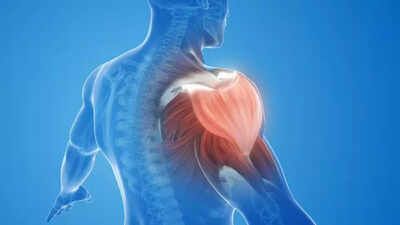
NEW DELHI: India’s doctors are raising the alarm over a little-known condition that could quietly rob millions of older people of their mobility and independence: sarcopenia, or age-related muscle loss.To tackle the problem, the Geriatric Society of India has released the country’s first “Indian Guidelines for the Evaluation and Management of Sarcopenia.” The recommendations, developed by experts across multiple specialties including geriatric medicine, orthopaedics, endocrinology, physiotherapy and nutrition, aim to help doctors detect and treat muscle loss early — before it leads to falls, disability and loss of independence.
Sarcopenia, which literally means “loss of flesh,” refers to the gradual decline in muscle mass, strength and physical function with ageing. Doctors say it is often overlooked but can significantly increase the risk of fractures, hospitalisation and even death.The concern comes as India’s population ages rapidly. By 2050, the country is expected to have around 319 million people aged 60 and above, more than one-fifth of the population. Experts warn that without preventive steps, sarcopenia could become a major public health challenge.Studies suggest the condition affects 8–18% of older adults living in the community, rising to 25–40% among hospitalised elderly patients, with higher risk among people with chronic diseases such as diabetes.Dr O.P. Sharma, who led the guidelines, stressed that muscle health is central to healthy ageing. “Strength preserves dignity. Early detection saves independence,” he said, noting that sedentary lifestyles, poor nutrition and chronic illnesses are accelerating muscle loss among seniors.The guidelines advise doctors to look for warning signs such as weak grip strength, slower walking speed and difficulty getting up from a chair. Screening tools like the SARC-F questionnaire can help identify people at risk, particularly in primary care settings.Experts say the encouraging news is that sarcopenia can often be prevented or slowed with simple lifestyle measures. Strength-training exercises two to three times a week, adequate protein intake and correcting vitamin D deficiency are among the key recommendations. Doctors also advise including protein sources such as dal, paneer, soy and pulses, especially in vegetarian diets.Dr Raju Vaishya of Indraprastha Apollo Hospitals said awareness about muscle health remains low. “India is a sarcopenic nation,” he said, citing poor nutrition, inactivity and ageing as key drivers.Dr Randeep Guleria said the guidelines aim to bring muscle health into routine medical care. “They bridge science with clinical wisdom, making sarcopenia visible in everyday practice,” he said.Doctors say early detection and treatment could help millions of seniors remain mobile, independent and healthier for longer, easing the growing healthcare burden of an ageing population.


