
Representational image MUMBAI: For most passengers, flying is a strange mix of routine and mystery. A boarding call, a safety demonstration, the familiar hum of engines, and then, somewhere between take-off and touchdown, questions begin to surface. Why are we waiting when the weather outside looks perfectly fine? Why did the aircraft suddenly climb again just before landing? And why does the seatbelt sign stay on even when the skies appear calm?IndiGo got its senior pilots to demystify some of those moments that often leave passengers puzzled. In a recent explainer shared by the airline, pilots broke down the operational thinking behind common in-flight situations, offering a glimpse into the layers of safety, coordination and precaution that shape every journey.One of the most common passenger frustrations is the flight delay, a delay despite seemingly clear weather. Such a delay often has less to do with conditions at the departure airport and more to do with the larger air traffic network. According to the pilots, departures depend on sequencing, congestion levels and airspace conditions across multiple locations. Two aircraft departing from the same airport may face completely different operational constraints depending on destination weather, traffic flow or airspace restrictions further along the route. Maintaining safe separation between aircraft remains a constant priority, even if it results in short holding delays on the ground.Another situation that tends to alarm passengers is the sudden climb of an aircraft moments before landing. Pilots say this manoeuvre, known as a “go-around”, is not an emergency but a standard and frequently practised safety procedure. A go-around may be initiated if the approach becomes unstable, visibility changes, or the runway is not fully clear for landing. Instead of continuing with less-than-ideal conditions, pilots simply reposition the aircraft for another approach.The airline’s pilots also addressed the seatbelt sign, which is a feature many travellers ignore once cruising altitude is reached. Turbulence is not always visible or predictable. Even in apparently clear skies, sudden air movements can occur without warning. Called Clear Air Turbulence, these are not picked up by the aircraft’s air-borne weather radar. Keeping seatbelts loosely fastened while seated is among the simplest ways to reduce the risk of injuries during unexpected turbulence.Concerns about thunderstorms and lightning strikes is another aspect of flying that can get passengers nervous. Aircraft are equipped with weather radar systems designed to help crews avoid severe weather cells and in the rare event of a lightning strike, modern commercial aircraft are engineered to safely conduct the electrical charge through the structure without affecting critical systems, the airline pilots said.PollDo you believe that the seatbelt sign should remain on during calm weather?Yes, safety firstNo, it seems unnecessaryEven small cabin discomforts have operational explanations. The temporary warmth passengers sometimes experience during boarding or pushback is linked to ground procedures. Aircraft doors remain open during boarding, reducing cooling efficiency, and air-conditioning performance can briefly dip during engine start. Once engines are fully operational, cabin temperatures generally stabilise again.In short, many of the moments that appear unusual from the cabin are, in fact, part of routine aviation safety practice, the result of continuous monitoring, coordination and cautious decision-making long before passengers notice anything at all.About the AuthorManju VManju V, senior Editor at the Times of India in Mumbai writes on civil aviation.End of ArticleFollow Us On Social MediaVideosSuvendu Adhikari Chooses Bhabanipur Over Nandigram, Sparks Fresh Political Battle In BengalCM Vijay Revokes Astrologer Vettrivel’s OSD Appointment Amid Political Storm In Tamil NaduNEET-UG 2026 Leak Case Reaches Supreme Court, Petition Demands NTA Dissolution And Fresh ExamVijay Wins Tamil Nadu Trust Vote With 144 MLAs Amid AIADMK Split And Assembly ChaosKejriwal Targets BJP Over NEET Leak, Says ‘Gen-Z Can Demand Accountability Like Nepal & Bangladesh’FIR Against SP Spokesperson Rajkumar Bhati Over Viral Anti-Brahmin Remark, BJP Targets AkhileshAkhilesh Yadav Reacts To Prateek Yadav’s Death, Says “Business Losses Can Deeply Distress People”Air India Slashes International Flights | Why Ticket Prices Are Suddenly ExplodingPrateek Yadav Passes Away At 38 In Lucknow, Political Leaders Express GriefGovt Hikes Gold & Silver Import Duty To 15% | Modesty Push Or Economic Warning?123Photostories’Karuppu’ releasing on May 14: Five reasons to watch Suriya’s rural mass film in theatersHow to make Rajma and Broccoli Tikki for summer evening snacking5 tiny and adorable dog breeds that shed lessHow to grow Dragon fruit in your garden: Simple step-by-step guide for beginnersFrom Mouni Roy to Dilip Joshi, Kapil Sharma and more: Highest-paid TV stars and their net worthFrom Bulldogs to Pugs: 5 surprisingly lazy dog breeds that love sleeping all dayRatan Tata’s ₹150 crore sea-facing bungalow ‘Bakhtawar’ is Mumbai’s most iconic legacy property; here’s who lives there nowHow to identify the St Lucia Racer: One of the world’s rarest snakes”Bus uska whistle ka problem tha…thanks to God main bach gai”: When to replace your pressure cooker to avoid any accidentAlia Bhatt just turned Cannes red carpet glamour into pure parampara with this ivory corset saree123Hot PicksCBSE class 12 resultUS Iran warPrateek YadavHaryana election resultForeign outflowNEET exam cancelledTamil Nadu assemblyTop TrendingNashik AstrologerTamil Nadu NewsIPL Points TablePM Internship SchemeIPL Match TodayHimanta Biswa SarmaIPL Orange Cap 2026Aparna YadavAir India FlightsPrateek Yadav

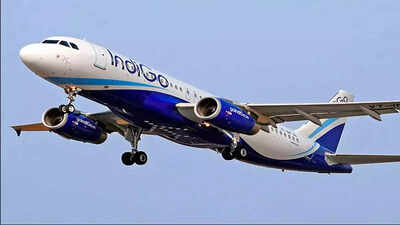
MUMBAI: For most passengers, flying is a strange mix of routine and mystery. A boarding call, a safety demonstration, the familiar hum of engines, and then, somewhere between take-off and touchdown, questions begin to surface. Why are we waiting when the weather outside looks perfectly fine? Why did the aircraft suddenly climb again just before landing? And why does the seatbelt sign stay on even when the skies appear calm?IndiGo got its senior pilots to demystify some of those moments that often leave passengers puzzled. In a recent explainer shared by the airline, pilots broke down the operational thinking behind common in-flight situations, offering a glimpse into the layers of safety, coordination and precaution that shape every journey.One of the most common passenger frustrations is the flight delay, a delay despite seemingly clear weather. Such a delay often has less to do with conditions at the departure airport and more to do with the larger air traffic network. According to the pilots, departures depend on sequencing, congestion levels and airspace conditions across multiple locations. Two aircraft departing from the same airport may face completely different operational constraints depending on destination weather, traffic flow or airspace restrictions further along the route. Maintaining safe separation between aircraft remains a constant priority, even if it results in short holding delays on the ground.Another situation that tends to alarm passengers is the sudden climb of an aircraft moments before landing. Pilots say this manoeuvre, known as a “go-around”, is not an emergency but a standard and frequently practised safety procedure. A go-around may be initiated if the approach becomes unstable, visibility changes, or the runway is not fully clear for landing. Instead of continuing with less-than-ideal conditions, pilots simply reposition the aircraft for another approach.The airline’s pilots also addressed the seatbelt sign, which is a feature many travellers ignore once cruising altitude is reached. Turbulence is not always visible or predictable. Even in apparently clear skies, sudden air movements can occur without warning. Called Clear Air Turbulence, these are not picked up by the aircraft’s air-borne weather radar. Keeping seatbelts loosely fastened while seated is among the simplest ways to reduce the risk of injuries during unexpected turbulence.Concerns about thunderstorms and lightning strikes is another aspect of flying that can get passengers nervous. Aircraft are equipped with weather radar systems designed to help crews avoid severe weather cells and in the rare event of a lightning strike, modern commercial aircraft are engineered to safely conduct the electrical charge through the structure without affecting critical systems, the airline pilots said.
Poll
Do you believe that the seatbelt sign should remain on during calm weather?
Even small cabin discomforts have operational explanations. The temporary warmth passengers sometimes experience during boarding or pushback is linked to ground procedures. Aircraft doors remain open during boarding, reducing cooling efficiency, and air-conditioning performance can briefly dip during engine start. Once engines are fully operational, cabin temperatures generally stabilise again.In short, many of the moments that appear unusual from the cabin are, in fact, part of routine aviation safety practice, the result of continuous monitoring, coordination and cautious decision-making long before passengers notice anything at all.


