
Ram Temple in Ayodhya NEW DELHI: Communist Party of India (Marxist) MP John Brittas has urged the Centre to reconsider its decision to keep the Shri Ram Janambhoomi Teerth Kshetra Trust, which manages the Ram Temple complex in Ayodhya, outside the ambit of the Right to Information (RTI) Act.In a letter to Union home minister Amit Shah dated July 4, Brittas argued that bringing the trust under the RTI Act would “serve the interest of transparency and public accountability.” Watch ‘Unfortunate, We Are All Hurt’: RSS Issues First Statement On Ayodhya Ram Temple ‘Donation Theft’The Shri Ram Janmbhoomi Teerth Kshetra Trust is at the centre of a controversy over the alleged embezzlement of donations offered by devotees at the Ram Temple.Brittas noted that after the Supreme Court’s November 2019 Ayodhya verdict, that paved the way for the Ram Temple’s construction, the Centre framed the scheme governing the Trust, constituted it through a gazette notification, and vested it with the acquired land. He also highlighted that 12 of its 15 members were initially nominated by the government.Referring to the Central Information Commission’s (CIC) June 6, 2025, order holding that the Trust is not a “public authority” under the RTI Act, he argued that the decision relied largely on the Union home ministry’s stand and urged the ministry to review its position.The Rajya Sabha member contended that the Centre’s argument that the Trust was not “established or constituted” by a government notification simply because the notification was issued in compliance with the Supreme Court’s directions deserved reconsideration. He pointed out that Section 2(h)(d) of the RTI Act makes no distinction between a notification issued independently by the government and one issued pursuant to a judicial direction.He also highlighted the Trust’s governing framework, which includes serving IAS officers representing the Centre and the Uttar Pradesh government, reflecting the government’s continuing institutional association with its administration.”While these representatives may not enjoy voting rights, their statutory inclusion in the governing framework reflects the public character of the institution and the Government’s continuing institutional association with its administration,” Brittas wrote.He argued that the governmental presence cannot be ignored in determining whether the Trust should be subject to the RTI Act.”The public character of the Trust also arises from the nature of the functions entrusted to it. It administers one of the country’s most revered religious institutions, manages land acquired under a Parliamentary enactment and vested through government notification, and receives contributions from millions of devotees across India and abroad,” he said.The CPM leader argued that the “extraordinary confidence” reposed in the Trust by the public carries an equally compelling expectation of transparency.Drawing a parallel with the Shri Mata Vaishno Devi Shrine Board, Brittas maintained that institutional autonomy and public accountability are not mutually exclusive, noting that religious bodies established under statutory or governmental frameworks continue to enjoy autonomy in religious matters while operating within transparent administrative and financial systems.(With PTI inputs)Get the latest India news and live updates. Download the TOI App.About the AuthorTOI News DeskThe TOI News Desk comprises a dedicated and tireless team of journalists who operate around the clock to deliver the most current and comprehensive news and updates to the readers of The Times of India worldwide. With an unwavering commitment to excellence in journalism, our team is at the forefront of gathering, verifying, and presenting breaking news, in-depth analysis, and insightful reports on a wide range of topics. The TOI News Desk is your trusted source for staying informed and connected to the ever-evolving global landscape, ensuring that our readers are equipped with the latest developments that matter most.”Read MoreEnd of ArticleFollow Us On Social MediaVideosGovt Cracks Down on Meta Over Alleged Child Sexual Abuse-Linked Instagram Ads, Seeks Reply in 7 DaysMamata Reassumes TMC Leadership As Dilip Ghosh Claims Party Is Crumbling Amid ResignationsWhy Adani’s $1.4 Billion Vizhinjam Port Stake Sale To MSC Has Triggered A Political RowWhy the NDA Still Faces an Uphill Battle to Pass the Women’s Reservation Bill Despite Higher Numbers8 Officials Suspended After Books Allegedly Glorifying Separatists : J&K School Book RowArmy, J&K Police And CRPF Surround Two LeT Terrorists In Shopian As Gunfight ContinuesLove Across The LoC: PoK Youth Sent Back Home After Court Accepts He Crossed Border To Meet BelovedMamata Calls TMC Rebels ‘Traitors’, Dares Rivals To ‘Kill Me’ As Party Split DeepensKedarnath-Badrinath Donation Row: Cong Questions BJP, Temple Committee Launches ProbeJ&K School Book Controversy: BJP, Civil Society Demand Probe Over Book Glorifying Separatists123Photostories5 best hair oils for frizzy locks during monsoon that actually tame humidityPersonality test: The first detail that you spot in this optical illusion reveals a surprising truth about youCharlie Chaplin and more: 7 Old Hollywood icons married to Partners 30 years younger7 Surprising facts about ring-necked parrots you probably didn’t knowBride-to-be Anshula Kapoor’s stunning blue Patola lehenga for mehendi celebrations is a look rooted in Indian craftsmanshipWhy old Indian sweets lasted longer without preservativesWhy does Mawlynnong stop tourists on Sundays? And 4 others things travellers didn’t know about Asia’s cleanest village8 things children secretly wish parents knewInside Taylor Swift and Travis Kelce’s fairytale wedding with emotional vows, first kiss and star-studded celebrationFoods Indians eat today that actually arrived from other countries: 8 everyday staples with global origins123Hot PicksNHL Trade RumorHarrison ButkerTaylor and Travis Wedding PhotosIndia Passport Ranking SlipsBSUSC applicationsMumbai rainDelhi MurderBrittany MahomesTrumpTop TrendingNHL TradeDelhi rainBrittany MahomesFIFA World Cup 2026Mamata BanerjeeBengaluru Capgemini DaycareKetan AgarwalFrance FIFA World CupNFL Trade RumorVozinha

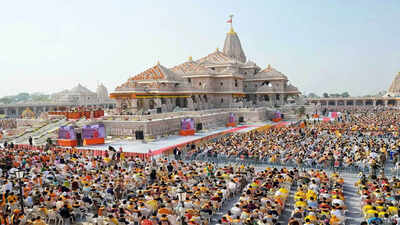
NEW DELHI: Communist Party of India (Marxist) MP John Brittas has urged the Centre to reconsider its decision to keep the Shri Ram Janambhoomi Teerth Kshetra Trust, which manages the Ram Temple complex in Ayodhya, outside the ambit of the Right to Information (RTI) Act.In a letter to Union home minister Amit Shah dated July 4, Brittas argued that bringing the trust under the RTI Act would “serve the interest of transparency and public accountability.”The Shri Ram Janmbhoomi Teerth Kshetra Trust is at the centre of a controversy over the alleged embezzlement of donations offered by devotees at the Ram Temple.Brittas noted that after the Supreme Court’s November 2019 Ayodhya verdict, that paved the way for the Ram Temple’s construction, the Centre framed the scheme governing the Trust, constituted it through a gazette notification, and vested it with the acquired land. He also highlighted that 12 of its 15 members were initially nominated by the government.Referring to the Central Information Commission’s (CIC) June 6, 2025, order holding that the Trust is not a “public authority” under the RTI Act, he argued that the decision relied largely on the Union home ministry’s stand and urged the ministry to review its position.The Rajya Sabha member contended that the Centre’s argument that the Trust was not “established or constituted” by a government notification simply because the notification was issued in compliance with the Supreme Court’s directions deserved reconsideration. He pointed out that Section 2(h)(d) of the RTI Act makes no distinction between a notification issued independently by the government and one issued pursuant to a judicial direction.He also highlighted the Trust’s governing framework, which includes serving IAS officers representing the Centre and the Uttar Pradesh government, reflecting the government’s continuing institutional association with its administration.“While these representatives may not enjoy voting rights, their statutory inclusion in the governing framework reflects the public character of the institution and the Government’s continuing institutional association with its administration,” Brittas wrote.He argued that the governmental presence cannot be ignored in determining whether the Trust should be subject to the RTI Act.“The public character of the Trust also arises from the nature of the functions entrusted to it. It administers one of the country’s most revered religious institutions, manages land acquired under a Parliamentary enactment and vested through government notification, and receives contributions from millions of devotees across India and abroad,” he said.The CPM leader argued that the “extraordinary confidence” reposed in the Trust by the public carries an equally compelling expectation of transparency.Drawing a parallel with the Shri Mata Vaishno Devi Shrine Board, Brittas maintained that institutional autonomy and public accountability are not mutually exclusive, noting that religious bodies established under statutory or governmental frameworks continue to enjoy autonomy in religious matters while operating within transparent administrative and financial systems.(With PTI inputs)


