
Rajma vs chole vs kala chana: Which gives you the most protein? |

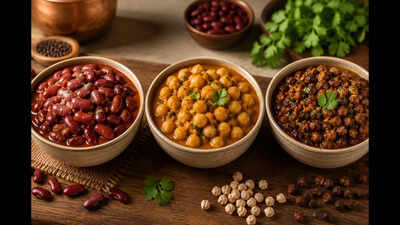
When it comes to everyday Indian vegetarian protein, rajma, chole and kala chana are three of the most familiar choices. They are affordable, filling and easy to turn into curries, chaats, salads or simple home-style meals. But if protein is the deciding factor, is one actually better than the others? The short answer is: chole comes out marginally ahead when comparing cooked legumes by weight, but the difference is so small that all three are practically in the same protein league. What matters more is the portion you eat and what you pair it with. The numbers below refer to 100 g of cooked, boiled legumes, because that is how they are generally eaten. Cooking increases their water content, so protein per 100 g looks considerably lower than it does in the dry form. Scroll down to read more…The protein face-offProtein per 1 cup cooked:Chole (kabuli chana) – 14-15 gRajma – 15 gKala chana – 13-15 gCup weights vary depending on how tightly the legumes are packed.So, chole technically takes the top spot, at around 8.9 g protein per 100 g cooked. Rajma follows extremely closely at about 8.7 g. Kala chana is also in roughly the same range, although its exact nutritional profile can vary by variety and preparation. That means choosing rajma over chole alone is not going to make a meaningful difference to your protein intake. Your serving size and the rest of your meal matter far more.
Rajma: The protein-rich comfort food
Rajma is particularly useful because it brings protein along with plenty of fibre. Standard USDA data puts cooked kidney beans at around 8.7 g protein and 7.4 g fibre per 100 g. A bowl of rajma can therefore be satisfying without relying on a large amount of oil or other calorie-dense ingredients.
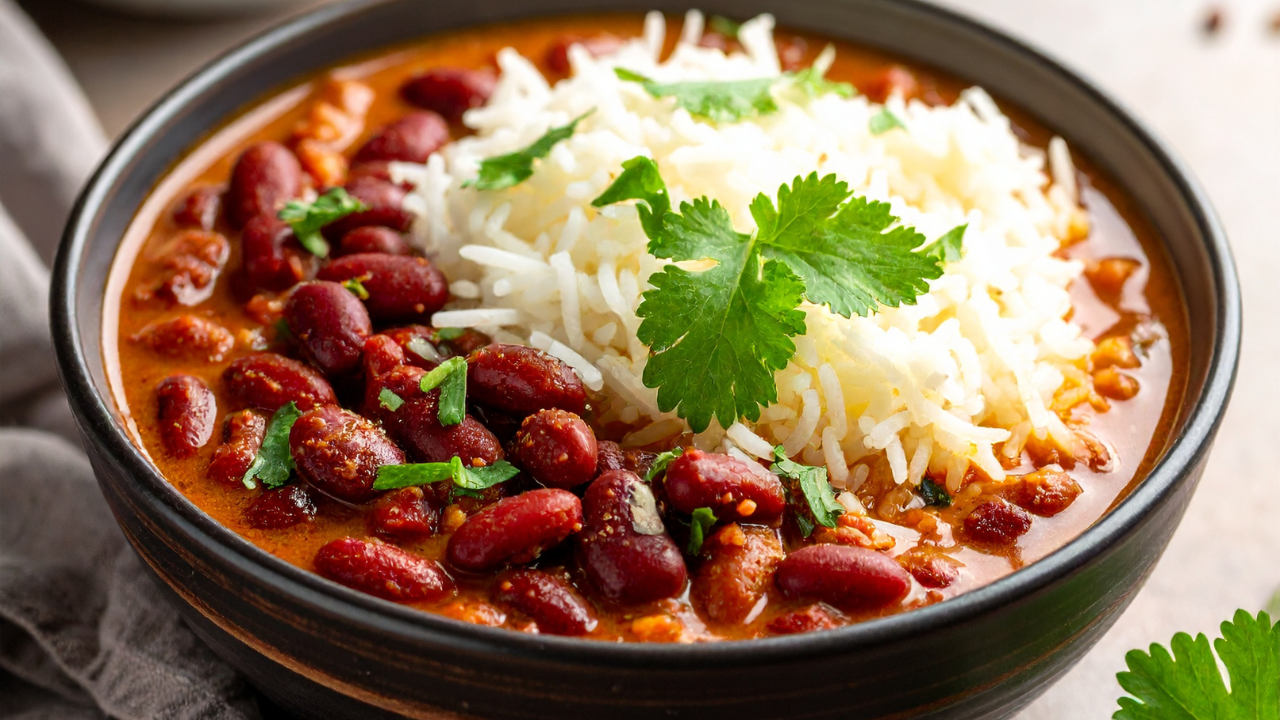
Best ways to pair it:Rajma + brown or white riceRajma + whole-wheat rotiRajma + vegetable salad + curdRajma + millet or another whole grainThe classic rajma chawal combination is nutritionally useful because legumes and grains complement each other’s amino-acid profiles.
Chole: The marginal winner
Cooked chickpeas provide about 8.9 g protein per 100 g, along with around 7.6 g fibre. Chole also has an advantage in versatility. The same boiled chickpeas can become chole masala, chana chaat, hummus-style dips, salads or a simple bowl topped with vegetables.
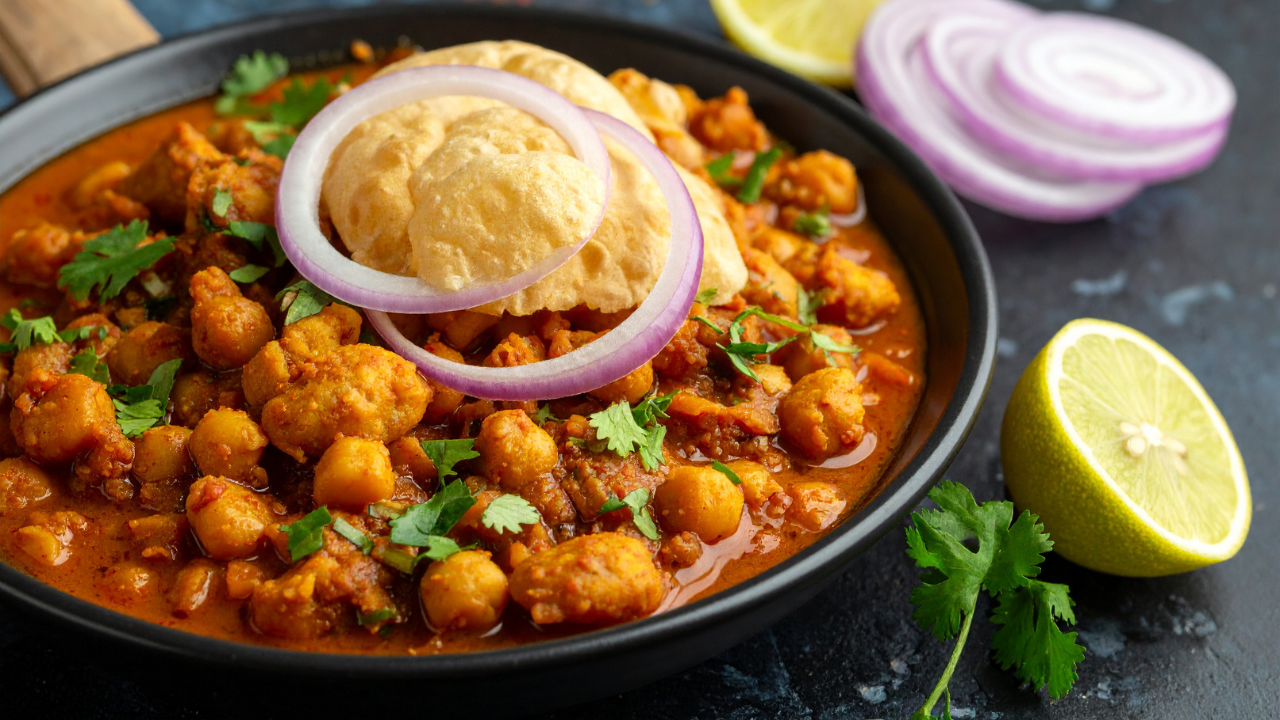
Best ways to pair it:Chole + rotiChole + riceChana chaat + curdChole + whole grains + vegetablesBoiled chole + paneer or Greek-style yoghurt for a higher-protein mealIf you’re trying to increase protein without dramatically changing your diet, adding a generous serving of boiled chole to a meal is an easy place to start.
Kala chana: The fibre-friendly contender
Kala chana, or desi black chickpeas, is often considered a particularly nutritious everyday pulse because it combines protein with substantial fibre. Available nutrition data puts boiled kala chana at roughly 8-9 g protein per 100 g, with the exact number varying according to variety and cooking method. Its firm texture also makes it particularly good for meals where you want something more substantial than a soft dal.
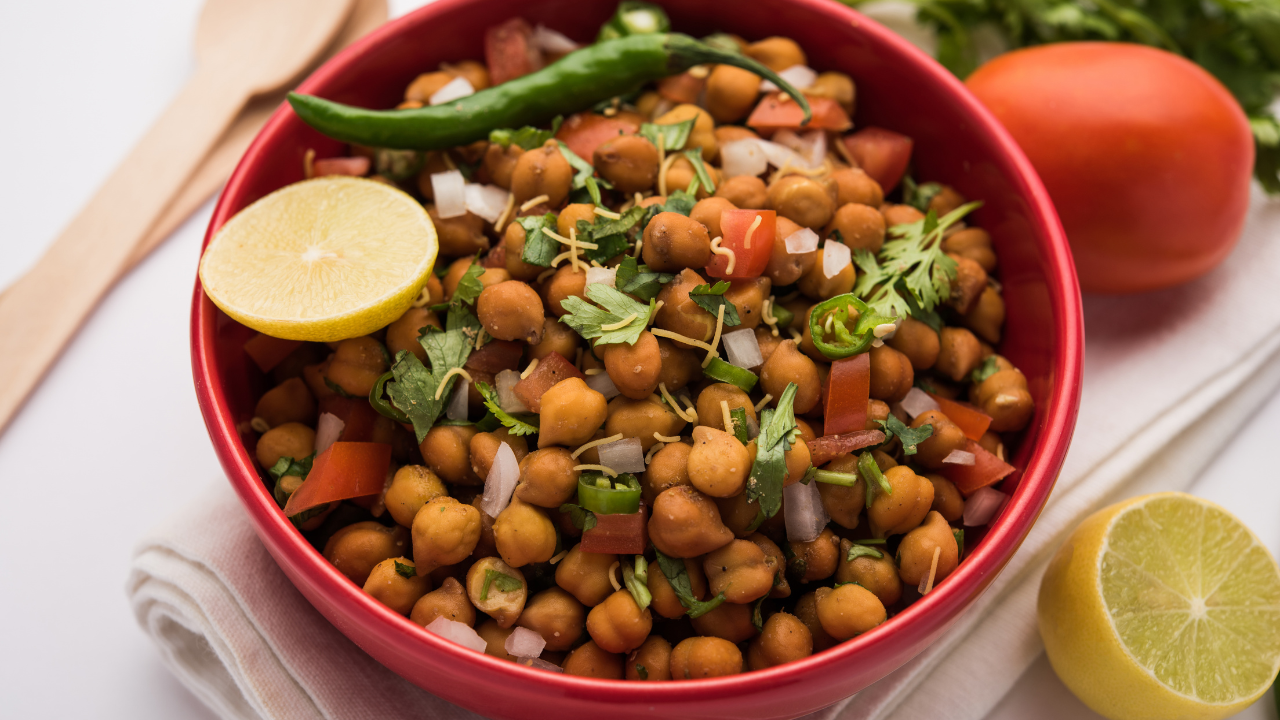
Best ways to pair it:Kala chana + rotiKala chana chaat + curdKala chana + riceKala chana salad + paneerBoiled kala chana + vegetables + seedsFor a protein-focused breakfast or snack, a bowl of kala chana chaat with curd can be considerably more substantial than a typical carb-heavy snack.
How to get more protein from your bowl
If protein is your goal, don’t obsess over whether rajma or chole wins by 0.2 g. Instead, focus on building a better plate.Pointers to remember:Increase the portion: A 100 g serving gives roughly 9 g protein, while a larger bowl can take you considerably higher.Add a grain: Pairing beans with rice, roti or another grain improves the overall amino-acid balance of the meal.Add dairy if you eat it: Curd, Greek yoghurt or paneer can substantially increase the protein of a rajma or chole meal.Don’t drown the curry in oil: The protein comes from the legume, not the gravy.Rotate your pulses: Rajma, chole, kala chana, dals and other legumes bring different combinations of fibre and micronutrients.Think beyond one meal: Your total protein intake across the day matters more than which pulse wins a per-100-g comparison.
So, which one should you choose?
For protein alone, chole has a tiny edge at about 8.9 g per 100 g cooked, followed closely by rajma at about 8.7 g. Kala chana sits in essentially the same range. In practical terms, there is no meaningful protein winner. A generous bowl of any of the three, paired with a grain and, if you eat dairy, some curd or paneer, can make a much more protein-conscious Indian meal. The better question isn’t rajma or chole? It is: how much are you eating, and what else is on the plate?


