
Poachers killed their mothers and left six young rhinos orphaned; after up to five years of rehabilitation, every one has now given birth in the wild

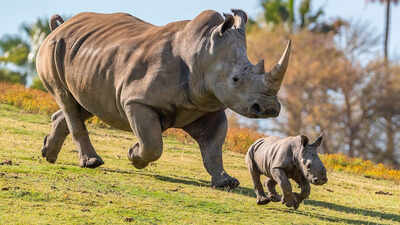
Six rhinos left for dead by poachers in South Africa when they were just young calves have all given birth naturally in the wild, marking a big win for wildlife recovery efforts in KwaZulu-Natal.Poachers killed their mothers around 2017, leaving the young rhinos helpless, but caregivers nursed the orphans for up to five years before returning them to their natural home. Wildlife authorities at Ezemvelo KZN Wildlife confirmed that every single female in the group has now successfully produced a healthy calf, proving that young animals saved from trauma can fully adapt to life in the wild.Dumisani Zwane, Game Capture and Veterinary Manager at regional conservation authority Ezemvelo KZN Wildlife, described the births as a symbol of hope for the future of rhino conservation.“Rehabilitating rhinos has proven to be a true conservation success,” said Zwane. “With the right intervention, orphaned rhinos can return to the wild after time spent in captivity, breed naturally, and contribute to South Africa’s wild rhino population.”
A long road back to the wild
The journey from rescue to natural birth in the wild took years of dedicated care run by Ezemvelo’s Game Capture and Veterinary Unit. The team managed every step of the process, from initial rescue and emergency medical care to long-term rehabilitation, release into protected reserves, and ongoing tracking.“Orphaned rhinos remain in rehabilitation for about four to five years, until they are ready to be released back into the wild,” Zwane explained.The high cost and effort of the multi-year project were met through teamwork between government agencies, private rhino orphanages, and non-profit conservation groups. Ezemvelo highlighted important help from several organisations, including African Wildlife Vets, Wild Wonderful World, Wildlife ACT, Wild Tomorrow, Ubuntu Trust, Zululand Rhino Orphanage, WWF-SA, and REX, the Rhino Conservation Trust.
Beating severe threats to the species
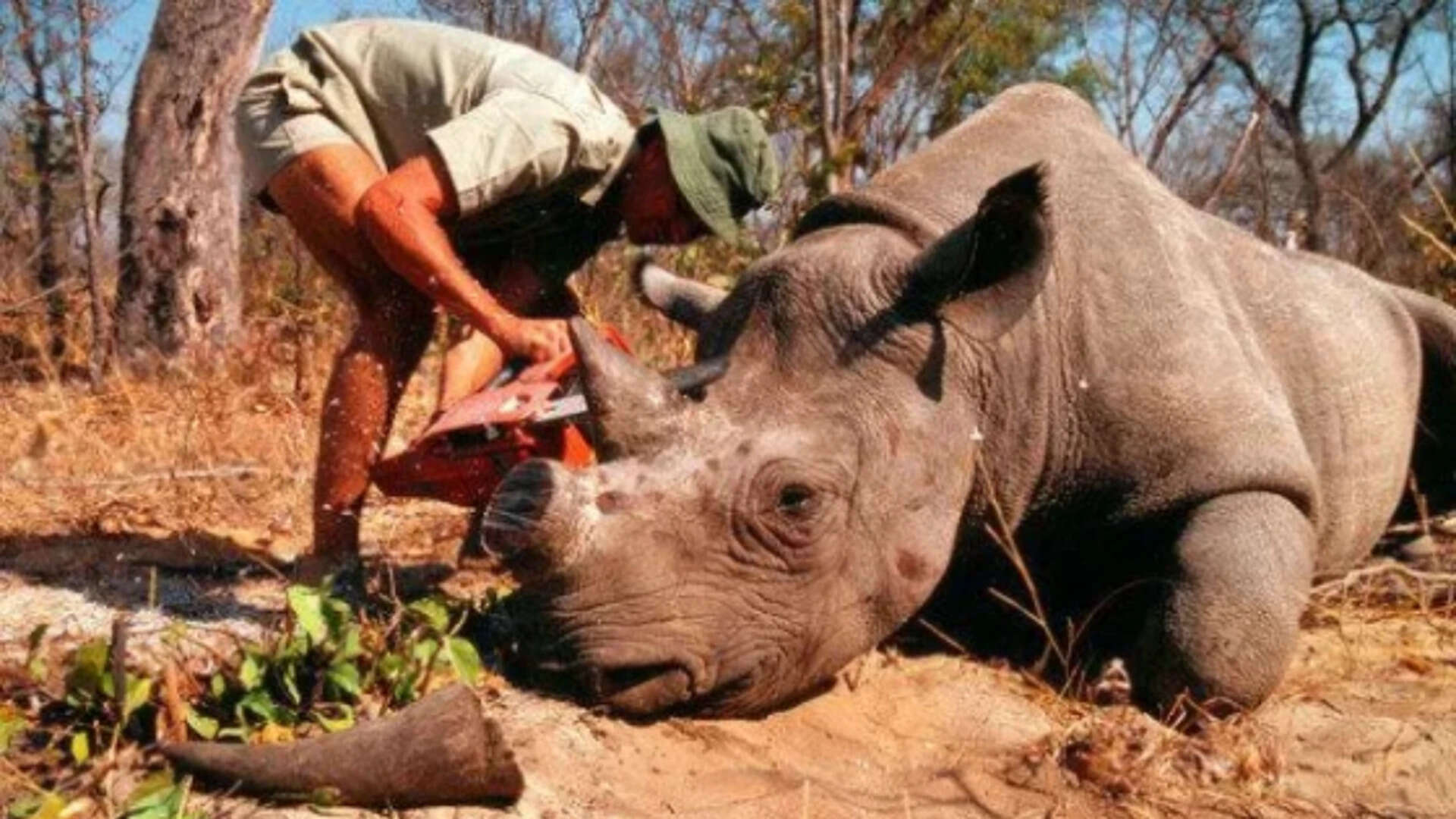
The new births give a much-needed boost to animals facing constant threats of extinction. Rhinos are among the biggest and oldest land mammals on Earth, having lived through ice ages and huge environmental changes for over 50 million years. However, their global numbers have dropped from around 500,000 at the start of the 20th century to about 27,000 today.Poaching is the main reason for this sharp drop. Illegal networks hunt the animals for their horns, which are sold on black markets, mostly in parts of Asia.Unlike cattle or deer horns, a rhino horn is not made of bone. It is made of keratin, the exact same protein found in human hair and fingernails. Even though rhino horn has no medical value at all, false beliefs and illegal sales keep driving poachers to target all five living rhino species.On top of poaching, rhinos face severe habitat loss as forests and grasslands are cleared for farms, roads, and growing towns. Losing land leaves surviving rhinos stuck in small, split-up groups where finding mates is difficult, increasing the risk of disease and inbreeding.
Wildlife poaching draws attention of criminologists
How rhinos live and protect the environment
The news from KwaZulu-Natal is a major victory for conservation programmes looking after African rhinos. South Africa holds most of the world’s remaining white rhinos (Ceratotherium simum) and black rhinos (Diceros bicornis). Smaller groups of other species live in Asia, including the Greater One-Horned rhino in India and Nepal, as well as the critically endangered Javan and Sumatran rhinos in Indonesia, which have fewer than 50 and 50 individuals left.Both African species play a key role as megaherbivores, which are plant-eating animals weighing over one ton. Adult rhinos eat between 40 and 70 kilograms of plants every day. White rhinos use their wide lips to graze on grass, while black rhinos eat leaves, twigs, and bushes. By eating like this, rhinos shape the landscape, clear paths through thick bushes, dig for underground water, and spread plant seeds through their dung, helping dozens of other animal species thrive.Even though they weigh between 700 and 2,300 kilograms, rhinos can run fast, reaching speeds of 50 to 55 km/h. They rely on sharp senses to explore their environment and communicate. Rhinos have poor eyesight and cannot easily spot things just 30 metres away, but they make up for it with large ears that turn to catch sounds and an excellent sense of smell to find food, spot danger, and track other rhinos.They also use shared dung piles, called middens, like local notice boards to leave scent messages about their age, gender, and mating status for nearby rhinos.
A landmark success for wildlife
While wildlife crime remains a danger across southern Africa, smart conservation work shows that helping species recover is completely possible. Past efforts have already brought the Greater One-Horned rhino back from fewer than 200 animals a century ago to more than 4,000 today.With South Africa currently caring for around 15,752 white rhinos and 6,788 black rhinos in wild reserves, turning these six rescued orphans into wild mothers shows that long-term care really works. Conservation teams see these six new calves not just as individual successes, but as a big step toward building a strong, self-sustaining wild rhino population for the future.


