
PM Modi While people were busy spreading rumours of a crisis, govt was quietly ramping up domestic LPG production, diversifying crude supplies and leveraging diplomacy to shield consumers from shortages and steep price shocks during the worst energy crisis in decades caused by the West Asia war, PM Modi said on Saturday.Speaking at the inauguration of HPCL Rajasthan Refinery Ltd’s greenfield refinery-cum-petrochemical complex at Pachpadra in Rajasthan’s Balotra district, Modi said the refinery was part of a sustained expansion of the country’s refining capacity. “Not a single new refinery has been built in the US in the last 50 years, while Europe’s refining capacity has steadily declined. India has become the 4th-largest refining nation in the world, and we’ll continue to expand this capacity.”India overcame what he described as the biggest energy crisis of the 21st century through timely policy interventions and strategic decisions that enabled the country to weather the disruption.Timely policies helped weather oil crisis: PM ModiPrime Minister Modi said timely policy interventions and strategic decisions enabled the country to weather the disruption in the oil crisis while many nations grappled with fuel shortages and soaring prices.“While some forces were busy spreading rumours and fear publicly, behind the scenes, immense work was being done day and night,” Modi said, in what appeared to be a dig at opposition who had predicted an economic tsunami.“Those who wished to see India fail, who even made predictions of failure, must today be drowning in despair,” the PM added.Recounting the crisis, the PM said that immediate challenge was keeping enough stocks of cooking gas, as India imports around 60% of its LPG requirement, with nearly 90% of those supplies coming from Gulf countries through the Strait of Hormuz before the conflict.“You can imagine the chaos that could have erupted,” Modi said, adding that as soon as the crisis began, refineries were asked to maximise LPG production. As a result, LPG production rose from 35,000 tonnes to 54,000 tonnes within seven days.Govt also expanded piped natural gas connections to reduce pressure on LPG supplies, he said. Modi said despite the disruption, domestic consumers were protected from the full impact of the price surge. The conflict also pushed crude oil prices from around $70 a barrel to $120 and disrupted supply lines. There was no fuel rationing even for a day, the PM stressed. He also said that oil companies in India absorbed losses of more than Rs 75,000 crore between April and June.Modi credited India’s diplomatic outreach for helping diversify energy imports during the crisis. Before the conflict, India sourced crude and other energy supplies from about 26 countries. During the crisis, that number increased to more than 40. “India sent a clear message to the world — for us, national interest and the welfare of our citizens are paramount,” he said.Get the latest India news and live updates. Download the TOI App.About the AuthorAtul MathurAtul Mathur is a Senior Assistant Editor at The Times of India with over 27 years of experience in journalism. Based in Delhi, he has spent much of his career reporting on governance, public policy and politics, churning out researched, data-driven stories that impact daily lives. Atul is known for investigative depth and strong human-interest narratives as he strives to bring clarity and context to complex issues. He currently tracks the energy sector, writing on power, renewable energy, coal and mines.Read MoreEnd of ArticleFollow Us On Social MediaVideosMamata Calls TMC Rebels ‘Traitors’, Dares Rivals To ‘Kill Me’ As Party Split DeepensKedarnath-Badrinath Donation Row: Cong Questions BJP, Temple Committee Launches ProbeJ&K School Book Controversy: BJP, Civil Society Demand Probe Over Book Glorifying SeparatistsHAPS Explained: How India’s New High-Altitude Surveillance Aircraft Will Boost Defence CapabilitiesDelhi Court Reserves Order On Umar Khalid, Sharjeel Imam’s Fresh Bail Pleas In Riots CaseSTORY GOVT DEBUNKS E20 FUEL MYTHS 10-POINT CLARIFICATIONFresh Blow To Mamata Camp As Bengal Chief Quits During Intensifying TMC Power StrugglePM Modi Dedicates India’s 1st Greenfield Integrated Refinery-Cum-Petrochemical Complex at PachpadraRam Temple Tightens Donation Security As SIT Deepens Probe Into Alleged EmbezzlementPM Narendra Modi Opens Jodhpur’s New Airport Terminal, Launches Revamped UDAN Scheme123PhotostoriesLiver cancer doesn’t always announce itself: The early symptoms many people missA chair may be one of the most dangerous places for your heart: Cardiologist explains the risks of sitting too longKyunki Saas Bhi Kabhi Bahu Thi: Smriti Irani and the OG cast reunite as show turns 26 for an intimate get-together; Gauri says ‘Some stories never end’Harvard gastroenterologist reveals 7 silent symptoms of pancreatic cancer everyone should knowWorld Biryani Day 2026: 12 iconic Biryanis from across India to celebrate with7 Birds that can remember human faces for years and surprise scientists with their intelligenceFrom Inland Taipan to killer bees: 5 small-sized beasts that can take a human life in minutesHow to know if you are being manipulated in a relationship: Psychologist shares 3 evident signs people often ignoreFrom America to India: The world’s most beautiful birds lost to extinction and those on the brink of disappearing foreverShopping for a Banarasi saree? 5 terms that will save you thousands123Hot PicksTrump tariffsLuka Modric Net WorthEPF Scheme 2026Amarnath Yatra 2026Income Tax Return FilingMumbai rainUS unemploymentMicrosoft layoffsIndia Japal TradeTop TrendingMumbai rainDelhi rainWeather tomorrowFIFA World Cup 2026GTA 6 Estimated SizeNew England PatriotsCandace OwensFIFA War DecisionCA Toppers ListAnitha Radhakrishnan

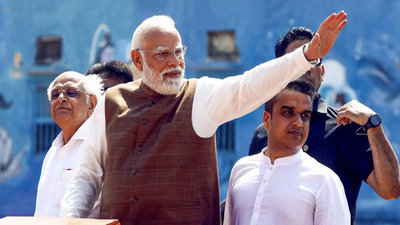
While people were busy spreading rumours of a crisis, govt was quietly ramping up domestic LPG production, diversifying crude supplies and leveraging diplomacy to shield consumers from shortages and steep price shocks during the worst energy crisis in decades caused by the West Asia war, PM Modi said on Saturday.Speaking at the inauguration of HPCL Rajasthan Refinery Ltd’s greenfield refinery-cum-petrochemical complex at Pachpadra in Rajasthan’s Balotra district, Modi said the refinery was part of a sustained expansion of the country’s refining capacity. “Not a single new refinery has been built in the US in the last 50 years, while Europe’s refining capacity has steadily declined. India has become the 4th-largest refining nation in the world, and we’ll continue to expand this capacity.“India overcame what he described as the biggest energy crisis of the 21st century through timely policy interventions and strategic decisions that enabled the country to weather the disruption.
Timely policies helped weather oil crisis: PM Modi
Prime Minister Modi said timely policy interventions and strategic decisions enabled the country to weather the disruption in the oil crisis while many nations grappled with fuel shortages and soaring prices.“While some forces were busy spreading rumours and fear publicly, behind the scenes, immense work was being done day and night,” Modi said, in what appeared to be a dig at opposition who had predicted an economic tsunami.“Those who wished to see India fail, who even made predictions of failure, must today be drowning in despair,” the PM added.Recounting the crisis, the PM said that immediate challenge was keeping enough stocks of cooking gas, as India imports around 60% of its LPG requirement, with nearly 90% of those supplies coming from Gulf countries through the Strait of Hormuz before the conflict.“You can imagine the chaos that could have erupted,” Modi said, adding that as soon as the crisis began, refineries were asked to maximise LPG production. As a result, LPG production rose from 35,000 tonnes to 54,000 tonnes within seven days.Govt also expanded piped natural gas connections to reduce pressure on LPG supplies, he said. Modi said despite the disruption, domestic consumers were protected from the full impact of the price surge. The conflict also pushed crude oil prices from around $70 a barrel to $120 and disrupted supply lines. There was no fuel rationing even for a day, the PM stressed. He also said that oil companies in India absorbed losses of more than Rs 75,000 crore between April and June.Modi credited India’s diplomatic outreach for helping diversify energy imports during the crisis. Before the conflict, India sourced crude and other energy supplies from about 26 countries. During the crisis, that number increased to more than 40. “India sent a clear message to the world — for us, national interest and the welfare of our citizens are paramount,” he said.


