
Photo credit: X/ @FitRaheIndia New Delhi: Minor procedural lapses by hospitals and clinics will now attract administrative penalties instead of criminal fines under amendments to the Clinical Establishments (Registration and Regulation) Act, 2010 notified by the Union health ministry, as the Centre pushes ahead with its Jan Vishwas reforms to promote trust-based regulation.The amendments, notified on June 22, implement provisions of the Jan Vishwas (Amendment of Provisions) Act, 2026 and are aimed at reducing compliance burden, improving ease of doing business and ensuring proportionate regulatory enforcement, while continuing to safeguard patient safety and the quality of healthcare services.The changes apply to routine and low-risk procedures and minor administrative lapses, including surgeries for minor injuries, wound cleaning and stitching, mole removal, drainage of small abscesses, and minor reconstructive procedures of the eyelid, ear and nose, provided they do not pose an immediate risk to patients.Under the amended framework, the term “fine” has been replaced with “penalty” in Sections 40, 43 and 46 of the Act, shifting enforcement from criminal action to administrative adjudication. Section 44 has also been amended to introduce graded penalties for contraventions by companies, with the quantum of penalty linked to the nature and severity of the violation.The notification strengthens the adjudicating authority mechanism under Section 41 by expanding its scope to cover proceedings under Sections 40, 43 and 44. It also introduces a structured adjudication process that provides an opportunity for hearing before penalties are imposed, along with provisions for recovery of penalties and an appeal mechanism for aggrieved parties.The ministry said the changes are expected to encourage voluntary compliance, reduce unnecessary litigation and ensure proportionate action in cases of minor procedural non-compliances while maintaining regulatory oversight over clinical establishments.The amendments are part of the broader Jan Vishwas reform programme, which rationalises provisions across 79 Central Acts administered by 23 ministries and departments. In the health sector, 35 provisions across five Acts under the Union health ministry have been amended to decriminalise minor procedural non-compliances and strengthen citizen-centric regulatory practices.Get the latest India news and live updates. Download the TOI App.About the AuthorAnuja JaiswalAnuja Jaiswal is a Senior Assistant Editor at The Times of India, with an impressive 18-year career in narrative journalism. She specializes in health and heritage reporting, expertly simplifying complex health information to make it engaging and understandable for readers. Her deep dives into heritage topics are well-researched, resulting in captivating narratives that resonate with her audience. Over the years, she has worked in Chandigarh, Chhattisgarh and West UP, gaining diverse on-ground experience that shapes her storytelling.Read MoreEnd of ArticleFollow Us On Social MediaVideos‘Beaten With Iron Rods’: Bonded Labour Horror In Uttar Pradesh, 12 Workers Rescued‘Throw My Daughter From The Same Place If…’: Accused Siya Goyal’s Mother On Lohagad Fort Murder CaseSuvendu Govt Likely To Introduce UCC Bill In West Bengal Assembly On MondayCanada Officially Confirms Khalistani Role In Air India Kanishka BombingKolkata Warehouse Collapse: Bengal CM Blames TMC Regime, Says ‘Flawed Plan’ Got ApprovalRam Mandir Donation Row: F.I.R Filed Against Eight Accused After SIT Flags EmbezzlementThreat To Journalists? Shiv Sena MP’s Remarks Trigger Political Storm In MaharashtraWhy India Has Given Dinesh Trivedi Cabinet Minister-Equivalent Status In Bangladesh?From Deportation Calls To Racist Attacks: The Rise Of Anti-Indian Sentiment In The US’Congress, BJP & SAD Joined Hands’: Punjab CM Mann Blames Opposition For ‘Conspiracy’123PhotostoriesWhich south Indian state has the most number of hill stations?5 countries that have banned social media for children and whyWhat would you do? My 10-year-old wants a smartphone because ‘everyone else has one’: 5 mothers share what happened nextNot every brain tumour begins with a headache: Sometimes the first sign is a change in personality, doctor explains5 vibrant red fish that can transform any plain aquarium5 reasons you suddenly cry while prayingBest indoor plants for offices and workspaces: 7 Low-maintenance plants that can brighten your deskPsychology suggests people who eat eggs for breakfast are not just focusing on protein, but something beyondPsychology says women who enjoy being alone are often the most loyal and faithful. Here’s why60-second money lesson: Should you split expenses 50-50 in a relationship?123Hot PicksRBI Grade B Prelims ResultNEET-UG 2026 re-examBank holiday todayGold price crashStock market holidayDelhi rape-murderMumbai local murderNFL Trade RumorsAndy RoddickTop TrendingDoug MartinShreyas IyerIndian Citizenship document proofFIFA World Cup 2026Venezuela earthquake NewsMumba Local Train MurderMEA PassportNandani BosmiyaMK StalinMumbai Local Train News

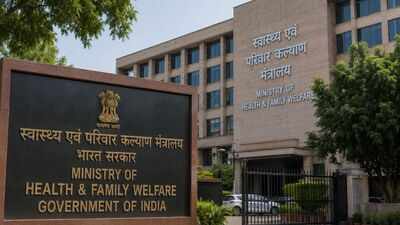
New Delhi: Minor procedural lapses by hospitals and clinics will now attract administrative penalties instead of criminal fines under amendments to the Clinical Establishments (Registration and Regulation) Act, 2010 notified by the Union health ministry, as the Centre pushes ahead with its Jan Vishwas reforms to promote trust-based regulation.The amendments, notified on June 22, implement provisions of the Jan Vishwas (Amendment of Provisions) Act, 2026 and are aimed at reducing compliance burden, improving ease of doing business and ensuring proportionate regulatory enforcement, while continuing to safeguard patient safety and the quality of healthcare services.The changes apply to routine and low-risk procedures and minor administrative lapses, including surgeries for minor injuries, wound cleaning and stitching, mole removal, drainage of small abscesses, and minor reconstructive procedures of the eyelid, ear and nose, provided they do not pose an immediate risk to patients.Under the amended framework, the term “fine” has been replaced with “penalty” in Sections 40, 43 and 46 of the Act, shifting enforcement from criminal action to administrative adjudication. Section 44 has also been amended to introduce graded penalties for contraventions by companies, with the quantum of penalty linked to the nature and severity of the violation.The notification strengthens the adjudicating authority mechanism under Section 41 by expanding its scope to cover proceedings under Sections 40, 43 and 44. It also introduces a structured adjudication process that provides an opportunity for hearing before penalties are imposed, along with provisions for recovery of penalties and an appeal mechanism for aggrieved parties.The ministry said the changes are expected to encourage voluntary compliance, reduce unnecessary litigation and ensure proportionate action in cases of minor procedural non-compliances while maintaining regulatory oversight over clinical establishments.The amendments are part of the broader Jan Vishwas reform programme, which rationalises provisions across 79 Central Acts administered by 23 ministries and departments. In the health sector, 35 provisions across five Acts under the Union health ministry have been amended to decriminalise minor procedural non-compliances and strengthen citizen-centric regulatory practices.


