
Photo credit: PTI NEW DELHI: Prime Minister Narendra Modi on Sunday used the 131st episode of his monthly radio programme Mann Ki Baat to highlight the power of organ donation, sharing the story of a one-year-old from Kerala whose parents chose to donate her organs after her death.“There can be no greater sorrow than parents losing their child,” he said, referring to Aalin Sherin Abraham. He spoke of the unimaginable grief of losing a child so young, with her entire life ahead of her. Yet, amid that pain, her parents, Arun Abraham and Sherin, decided to donate their daughter’s organs — a decision he described as an act of immense courage and humanity. “World Will See AI Differently”: PM Modi On AI Impact Summit In Mann Ki Baat PM Modi said their choice reflected strength and compassion in the face of personal tragedy. Aalin, he noted, may no longer be among us, but her name has been added to the list of the country’s youngest organ donors.Turning to the broader picture, he said awareness about organ donation is steadily increasing in India, helping patients in need while strengthening medical research. He cited examples of transplant recipients who have gone on to lead active lives.Lakshmi Devi from Delhi completed a 14-kilometre trek to Kedarnath after a heart transplant. Her heart had been functioning at just 15 percent before she received a donor organ. Gaurang Banerjee from West Bengal has visited Nathula, 14,000 feet above sea level, twice after a lung transplant. In Rajasthan, Ramdev Singh from Sikar, who underwent a kidney transplant, is now active in sports.“These inspiring examples show how one noble decision can transform many lives,” the Prime Minister said, urging citizens to view organ donation as a collective responsibility.The appeal, framed through stories of loss and renewal, reinforced a simple message: a single decision can give someone else a second chance at life.About the AuthorAnuja JaiswalAnuja Jaiswal is a Senior Assistant Editor at The Times of India, with an impressive 18-year career in narrative journalism. She specializes in health and heritage reporting, expertly simplifying complex health information to make it engaging and understandable for readers. Her deep dives into heritage topics are well-researched, resulting in captivating narratives that resonate with her audience. Over the years, she has worked in Chandigarh, Chhattisgarh and West UP, gaining diverse on-ground experience that shapes her storytelling.Read MoreEnd of ArticleFollow Us On Social MediaVideosTripura Teen Brutally Assaulted By Live-In Partner In Gurugram, Mother Recalls Chilling Phone Call‘Raise Pride Of Both Nations’: PM Modi Lauds Indian-Origin Players In Foreign Teams At T20 WC‘Gandi Aur Nangi Rajneeti’: PM Modi Slams Congress Over ‘Shirtless’ Protest At AI SummitPM Modi Inaugurates India’s Fastest Metro In Meerut, Namo Bharat CorridorJairam Ramesh Questions Modi Govt On US Trade Deal, Tariffs And Russia Oil Claims“World Will See AI Differently”: PM Modi On AI Impact Summit In Mann Ki Baat”With India, It’s Different” Lula Hits Out At Global Powers, Eyes $20B India-Brazil Trade MilestoneLula Visit Marks “Defining Moment”, Goyal Pushes For Deeper India-Brazil Business TiesLula Calls It A “Very Promising Day” As India-Brazil Ties Move Towards Stronger Economic Partnership“5, 6, 7… 11?” Donald Trump Keeps Upgrading His India-Pak Jet Count123PhotostoriesThis Kala Chana Chaat offers 20 g of protein; recipe inside7 must-have features in a car for long-distance travelPrestige invests Rs 120 crore in Namma Metro’s Blue Line station upgrade in Bengaluru: What can commuters expect?‘Munna Bhai M.B.B.S.’, ‘Sarfarosh’, ‘Talaash’: Films where Nawazuddin Siddiqui appeared briefly and almost no one noticed9 super easy mushroom snacks for house partiesWhat is rental yield and how is it calculatedDelhi Metro’s 9.9-km Deepali Chowk–MajlIs Park stretch nears launch; big traffic relief on outer ring road10 countries with the most unusual flags in the worldRemebering the late Gene Hackman, his wife Betsy Arakawa and the life they builtFrom earning Rs 500 a day to a net worth of approximately Rs 25 crores: Sunil Grover’s rags-to-riches story123Hot PicksDelhi-Meerut RRTSMeerut MetroGlobal trade outlookSangramIncome Tax CalculatorPublic holidays February 2026Bank Holidays februaryTop TrendingEllyse PerryAlysa Liu familyKyle PittsMens Hockey OlympicsTravis Kelce MansionsSidney Crosby and Kathy Leutner Net WorthDillon GabrielNathan MacKinnonCade CunninghamMontreal Canadiens

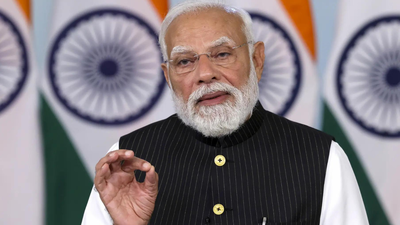
Photo credit: PTI
NEW DELHI: Prime Minister Narendra Modi on Sunday used the 131st episode of his monthly radio programme Mann Ki Baat to highlight the power of organ donation, sharing the story of a one-year-old from Kerala whose parents chose to donate her organs after her death.“There can be no greater sorrow than parents losing their child,” he said, referring to Aalin Sherin Abraham. He spoke of the unimaginable grief of losing a child so young, with her entire life ahead of her. Yet, amid that pain, her parents, Arun Abraham and Sherin, decided to donate their daughter’s organs — a decision he described as an act of immense courage and humanity.
PM Modi said their choice reflected strength and compassion in the face of personal tragedy. Aalin, he noted, may no longer be among us, but her name has been added to the list of the country’s youngest organ donors.Turning to the broader picture, he said awareness about organ donation is steadily increasing in India, helping patients in need while strengthening medical research. He cited examples of transplant recipients who have gone on to lead active lives.Lakshmi Devi from Delhi completed a 14-kilometre trek to Kedarnath after a heart transplant. Her heart had been functioning at just 15 percent before she received a donor organ. Gaurang Banerjee from West Bengal has visited Nathula, 14,000 feet above sea level, twice after a lung transplant. In Rajasthan, Ramdev Singh from Sikar, who underwent a kidney transplant, is now active in sports.“These inspiring examples show how one noble decision can transform many lives,” the Prime Minister said, urging citizens to view organ donation as a collective responsibility.The appeal, framed through stories of loss and renewal, reinforced a simple message: a single decision can give someone else a second chance at life.


