
Photo credit: ANI NEW DELHI: The Centre has ordered Google and Apple to remove three Chinese battery-management apps — BAT-BMS, Lossigy and Epoch-i-ion — from their app stores after reports that they were being misused to remotely disable battery-operated vehicles, including e-rickshaws, surfaced on social media. The action comes six years after India’s first major “digital strike” on Chinese apps in the wake of Galwan, but marks a shift in the nature of the threat, from data security, sovereignty and financial fraud to remote interference with connected devices on Indian roads.Govt sources said the ministry of electronics and IT has warned that any other app found to be used to interfere with battery-operated vehicles or shut them down remotely will also be blocked. According to MeitY officials, similar applications are under the scanner, and the matter is being closely monitored.The action followed videos showing e-rickshaws, locally known as “tirris”, being stopped through Bluetooth-enabled battery management systems. In several clips, users were seen scanning nearby batteries through smartphone apps and switching off the discharge function, leaving drivers stranded and unable to resume work.MeitY secretary S Krishnan confirmed that the issue had reached the government. “There are a couple of apps, which came to our notice yesterday, and both of them have been taken down from the app stores,” he said. Krishnan added that the government would take up the matter with app stores to ensure potentially harmful applications are not available in the public domain.Officials said BAT-BMS and similar apps are designed to monitor battery parameters such as voltage, current, charge status and temperature. However, on poorly secured systems, the same interface can be misused to control output and cut the power supply. The risk, officials said, is higher in low-cost battery packs that allow Bluetooth access without passwords or authentication.The latest order sits in a wider backdrop of app bans and takedowns linked to Chinese-origin platforms. On June 29, 2020, shortly after the Galwan Valley clash in which 20 Indian soldiers were killed, the Centre banned 59 apps, including TikTok, SHAREit, UC Browser, CamScanner, Helo, Weibo, WeChat and Club Factory, citing data security, sovereignty and national security concerns under Section 69A. This was followed by more rounds: 47 apps in July 2020, mostly clones of earlier banned platforms; 118 apps in September 2020, including PUBG Mobile; and 43 apps in November 2020, an order that relied on inputs from the Indian Cyber Crime Coordination Centre under the home ministry. In February 2022, 54 more apps, many allegedly rebranded versions of earlier banned ones, were blocked. In February 2023, MeitY, on MHA’s recommendation, moved against 138 betting and 94 loan-lending apps on an urgent and emergency basis amid concerns over improper data storage, transfer of data abroad, money laundering and harassment of borrowers.The BAT-BMS case, however, appears to fall in a distinct category: not merely data exfiltration, platform influence or financial abuse, but connected-device misuse with immediate physical and livelihood consequences.The issue has caused concern among e-rickshaw drivers, many of whom operate rented vehicles and depend on daily earnings. Videos showed drivers losing several hours of work after their vehicles were disabled. MeitY sources said app platforms have been asked to strengthen due diligence for connected-device applications affecting public safety.Get the latest India news and live updates. Download the TOI App.About the AuthorManash Pratim GohainManash Pratim Gohain is a seasoned journalist with over two decades at The Times of India, where he has built a rich body of work spanning education policy, politics, and governance. Renowned for his incisive coverage of the National Education Policy (NEP) 2020, accreditation reforms, and skilling initiatives, he has also reported on student politics, urban policy, and social movements. His political reportage—both reflective and news-driven—adds depth to his writing, bridging policy with public impact. Through his 2,500 articles and related outlets, he has emerged as a trusted voice in national discourse, particularly in linking education reform to broader societal change.Read MoreEnd of ArticleFollow Us On Social MediaVideosKarur Stampede Flashpoint: TVK-DMK Clash; Former CM Allegedly Blamed For Loss Of LivesTwin-Flower Symbol Under Threat As EC Examines Mamata And Ritabrata Faction ClaimsRam Mandir Donation Row Deepens As Vinay Katiyar Claims Trust Officials Could Face Jail’Unfortunate, We Are All Hurt’: RSS Issues First Statement On Ayodhya Ram Temple ‘Donation Theft’SC Raises Questions But Grants Relief To Sonam In Raja Raghuvanshi Murder Case Appeal’Will Surrender Before Court’: Jailed Gangster Anmol Bishnoi Wants To Join Salman Khan Firing TrialIndia Set For Major Defence Boost As DAC Reviews HAMMER, Verba And MP-ATGM DealsFamily Alleges Indian Seafarer’s Body Returned Without Organs; Embassy Demands InvestigationISRO Bengaluru Campus Searched After Bomb Threat Email; Police Say No Explosives FoundFirst Arrest Made In Bengaluru Daycare Abuse Case After Nationwide Outrage123PhotostoriesHusband filed for divorce? Here are 7 legal rights he cannot take away from wifeDoctors warn that diabetic kidney damage often has no symptoms: These everyday habits can help lower the risk10 cheapest countries to visit in 2026 offering incredible value for Indian travellersMonsoon is here: 7 fascinating birds closely linked to India’s rainy season, and where to find themCouple scales the Empire State Building’s antenna to propose: 5 craziest real-life ‘Will you marry me?’ scenes ever!From a lush garden to a massive living room and stunning paintings: Inside Smriti Irani’s lavish mansionPsychology says women who find it hard to say ‘No’ often share these 8 personality traitsPsychology says difficult mothers-in-law aren’t always trying to be difficult and it is not personal always; here’s what may really be happeningYour baby is crying and you don’t know why: Here are the 8 common reasons experts want every parent to know5 habits that make you a better lover than almost everyone around you123Hot PicksTrump tariffsLuka Modric Net WorthEPF Scheme 2026Amarnath Yatra 2026Income Tax Return FilingMumbai rainUS unemploymentMicrosoft layoffsIndia Japal TradeTop TrendingBrittany MahomesTravis KelceKansas CityFIFA World Cup 2026GTA 6 Estimated SizeNew England PatriotsCandace OwensFIFA War DecisionCA Toppers ListAnitha Radhakrishnan

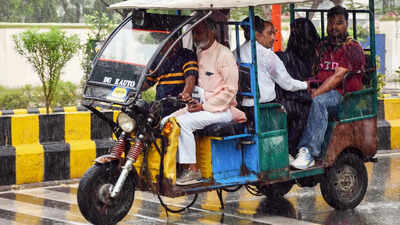
NEW DELHI: The Centre has ordered Google and Apple to remove three Chinese battery-management apps — BAT-BMS, Lossigy and Epoch-i-ion — from their app stores after reports that they were being misused to remotely disable battery-operated vehicles, including e-rickshaws, surfaced on social media. The action comes six years after India’s first major “digital strike” on Chinese apps in the wake of Galwan, but marks a shift in the nature of the threat, from data security, sovereignty and financial fraud to remote interference with connected devices on Indian roads.Govt sources said the ministry of electronics and IT has warned that any other app found to be used to interfere with battery-operated vehicles or shut them down remotely will also be blocked. According to MeitY officials, similar applications are under the scanner, and the matter is being closely monitored.The action followed videos showing e-rickshaws, locally known as “tirris”, being stopped through Bluetooth-enabled battery management systems. In several clips, users were seen scanning nearby batteries through smartphone apps and switching off the discharge function, leaving drivers stranded and unable to resume work.MeitY secretary S Krishnan confirmed that the issue had reached the government. “There are a couple of apps, which came to our notice yesterday, and both of them have been taken down from the app stores,” he said. Krishnan added that the government would take up the matter with app stores to ensure potentially harmful applications are not available in the public domain.Officials said BAT-BMS and similar apps are designed to monitor battery parameters such as voltage, current, charge status and temperature. However, on poorly secured systems, the same interface can be misused to control output and cut the power supply. The risk, officials said, is higher in low-cost battery packs that allow Bluetooth access without passwords or authentication.The latest order sits in a wider backdrop of app bans and takedowns linked to Chinese-origin platforms. On June 29, 2020, shortly after the Galwan Valley clash in which 20 Indian soldiers were killed, the Centre banned 59 apps, including TikTok, SHAREit, UC Browser, CamScanner, Helo, Weibo, WeChat and Club Factory, citing data security, sovereignty and national security concerns under Section 69A. This was followed by more rounds: 47 apps in July 2020, mostly clones of earlier banned platforms; 118 apps in September 2020, including PUBG Mobile; and 43 apps in November 2020, an order that relied on inputs from the Indian Cyber Crime Coordination Centre under the home ministry. In February 2022, 54 more apps, many allegedly rebranded versions of earlier banned ones, were blocked. In February 2023, MeitY, on MHA’s recommendation, moved against 138 betting and 94 loan-lending apps on an urgent and emergency basis amid concerns over improper data storage, transfer of data abroad, money laundering and harassment of borrowers.The BAT-BMS case, however, appears to fall in a distinct category: not merely data exfiltration, platform influence or financial abuse, but connected-device misuse with immediate physical and livelihood consequences.The issue has caused concern among e-rickshaw drivers, many of whom operate rented vehicles and depend on daily earnings. Videos showed drivers losing several hours of work after their vehicles were disabled. MeitY sources said app platforms have been asked to strengthen due diligence for connected-device applications affecting public safety.


