‘Conveniently ignored others’: Supreme Court rejects plea against Himanta Sarma, Yogi Adityanath

‘Conveniently ignored others’: Supreme Court rejects plea against Himanta Sarma, Yogi Adityanath

NEW DELHI: The Supreme Court on Tuesday declined to entertain a plea seeking mandatory guidelines for public officials and political leaders, which cited alleged discriminatory remarks by Assam CM Himanta Biswa Sarma and UP CM Yogi Adityanath.A three-judge bench, led by Chief Justice of India (CJI) Surya Kant, questioned the neutrality of the petition. While…

Read More
2 suspected Ebola cases from Ahmedabad, Bengaluru trigger airport surveillance, quarantine measures across the country

2 suspected Ebola cases from Ahmedabad, Bengaluru trigger airport surveillance, quarantine measures across the country

APHO teams are directly contacting travellers arriving from affected countries and isolating even mildly symptomatic individuals (image enhanced with AI) NEW DELHI/AHMEDABAD: Health authorities have intensified airport surveillance, traveller monitoring and quarantine measures after suspected Ebola cases surfaced in Bengaluru and Gujarat, though no Ebola infection has been confirmed in India so far.A 28-year-old Ugandan…

Read More
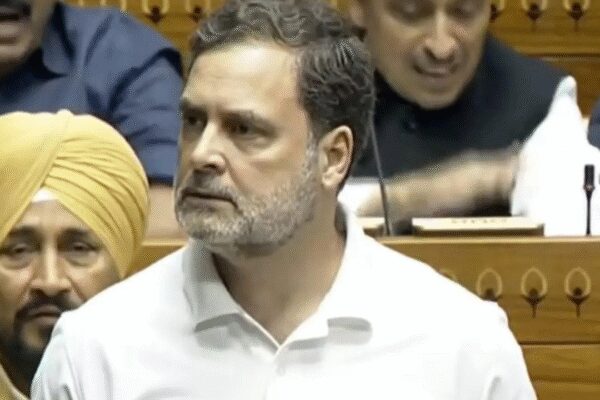
ANI file photo  NEW DELHI: Congress leader Rahul Gandhi on Thursday backed nationwide protests by workers and farmers demanding protection of their rights. He flagged concerns over labour reforms, trade policies, and potential changes to the rural jobs programme MGNREGA.”Workers fear that the four labour codes will weaken their rights. Farmers are apprehensive that the trade agreement will harm their livelihoods. And weakening or scrapping MGNREGA could snatch away the last lifeline of villages. When decisions affecting their future were taken, their voices were ignored,” he said through a post on X.”Will Modiji listen now? Or is the “grip” on him too strong? I stand firmly with the workers and farmers on their issues and their struggle,” Rahul added.An all-India general strike called by ten Central Trade Unions (CTUs) and backed by the Samyukta Kisan Morcha (SKM) on Thursday is aimed at opposing a range of government policies, including the four labour codes, privatisation and contractualisation measures, the Electricity Amendment Bill 2025, changes to MGNREGA and the proposed Seed Bill.Large-scale participation from farmers, agricultural workers and industrial unions is expected at protest sites across the country, with power sector employees, PRTC staff and other worker organisations also set to join.In a statement, the SKM said the strike seeks the withdrawal of the four labour codes, the Electricity Bill 2025, the Seed Bill 2025 and the VB-G RAM G Act 2025, among other demands. It also called for the restoration of the old pension scheme and the implementation of minimum wages for all workers, including scheme workers.Communist Party of India (CPI) leader and All India Trade Union Congress (AITUC) working president Binoy Viswam expressed full support for the nationwide farmers’ strike, describing it as a movement to defend people’s basic rights.Apple farmers in Himachal Pradesh have also intensified preparations to join the nationwide farmers’ strike on February 12 and announced a march to Delhi, warning that recent import duty reductions under India-US and other free trade agreements could hurt the state’s apple-based economy.They expressed concern that cheaper imports could impact local growers, despite repeated assurances from union commerce and industry minister Piyush Goyal that the interests of Indian apple farmers will be safeguarded.While several trade unions and farmer organisations have decided to join the strike, the National Front of Indian Trade Unions (NFITU) said it would not participate, describing the protest as “politically motivated.”About the AuthorTOI News DeskThe TOI News Desk comprises a dedicated and tireless team of journalists who operate around the clock to deliver the most current and comprehensive news and updates to the readers of The Times of India worldwide. With an unwavering commitment to excellence in journalism, our team is at the forefront of gathering, verifying, and presenting breaking news, in-depth analysis, and insightful reports on a wide range of topics. The TOI News Desk is your trusted source for staying informed and connected to the ever-evolving global landscape, ensuring that our readers are equipped with the latest developments that matter most.”Read MoreEnd of ArticleFollow Us On Social MediaVideosLower 18% Tariff To Give ‘Competitive Edge’ To Indian Agri Exports To US: APEDA‘GST After Death?’ Sitharaman Takes Dig at TMC During Budget ReplyRespect One, Call Another Traitor? Sitharaman Exposes Rahul’s Double StandardsBaloch Leader Akhtar Mengal Stuns Pakistan, Says Balochistan’s ‘Separation Is The Only Option Now”Modi Sold Bharat Mata’: Rahul Blasts Centre Over India-US Trade Deal, Govt hits back’India A Priority, No Second Class Citizen’: Jamaat Chief’s Big Statement Before Key Bangladesh VoteBangladesh Elections 2026: Key Players and Why India, China & Pakistan Are WatchingEntertainment Value Or Evidence? Hardeep Puri Blasts Rahul Gandhi’s ‘Buffoonery’ On Epstein FilesMuhammad Yunus Assures Smooth Handover Ahead Of Bangladesh’s First Elections After Hasina Exit”If You Had Taken My Advice” Jagdambika Pal Responds To Rahul Gandhi’s Ex-Congress Jab123Photostories8 herbs you can grow on a windowsill for cooking and décor10 royal baby names that never go out of styleFrom Ranveer Singh to Randeep Hooda: Bollywood stars who were gifted handwritten letters by Amitabh Bachchan6 Vastu-recommended paintings you should have in your home to attract wealth and prosperityExclusive – Kanika Mann on bagging Naagin 7, playing a negative role and comparisons with Priyanka Chahar Choudhary; says ‘I am open to it’18 must-try coffee drinks from around the world5 real estate hotspots in Surat, Gujarat driving property demand5 fire safety measures every residential building must have5 heartfelt romance dramas on Peacock that are a must-watch ahead of Valentine’s DayKerala Assembly polls 2026: PM Modi kick starts BJP’s campaign with launch of several development projects123Hot PicksBharat bandh todayGold Silver PricesBangladesh Elections 2026Bharat BandhIncome Tax CalculatorPublic holidays February 2026Bank Holidays februaryTop TrendingAll American ShowTravis KelceJuraj SlafkovskyLeBron JamesElvis MerzlikinsMilano CortinaKayla NicoleJulia SimonClash Royale ControversyPuka Nacua

ANI file photo NEW DELHI: Congress leader Rahul Gandhi on Thursday backed nationwide protests by workers and farmers demanding protection of their rights. He flagged concerns over labour reforms, trade policies, and potential changes to the rural jobs programme MGNREGA.”Workers fear that the four labour codes will weaken their rights. Farmers are apprehensive that the trade agreement will harm their livelihoods. And weakening or scrapping MGNREGA could snatch away the last lifeline of villages. When decisions affecting their future were taken, their voices were ignored,” he said through a post on X.”Will Modiji listen now? Or is the “grip” on him too strong? I stand firmly with the workers and farmers on their issues and their struggle,” Rahul added.An all-India general strike called by ten Central Trade Unions (CTUs) and backed by the Samyukta Kisan Morcha (SKM) on Thursday is aimed at opposing a range of government policies, including the four labour codes, privatisation and contractualisation measures, the Electricity Amendment Bill 2025, changes to MGNREGA and the proposed Seed Bill.Large-scale participation from farmers, agricultural workers and industrial unions is expected at protest sites across the country, with power sector employees, PRTC staff and other worker organisations also set to join.In a statement, the SKM said the strike seeks the withdrawal of the four labour codes, the Electricity Bill 2025, the Seed Bill 2025 and the VB-G RAM G Act 2025, among other demands. It also called for the restoration of the old pension scheme and the implementation of minimum wages for all workers, including scheme workers.Communist Party of India (CPI) leader and All India Trade Union Congress (AITUC) working president Binoy Viswam expressed full support for the nationwide farmers’ strike, describing it as a movement to defend people’s basic rights.Apple farmers in Himachal Pradesh have also intensified preparations to join the nationwide farmers’ strike on February 12 and announced a march to Delhi, warning that recent import duty reductions under India-US and other free trade agreements could hurt the state’s apple-based economy.They expressed concern that cheaper imports could impact local growers, despite repeated assurances from union commerce and industry minister Piyush Goyal that the interests of Indian apple farmers will be safeguarded.While several trade unions and farmer organisations have decided to join the strike, the National Front of Indian Trade Unions (NFITU) said it would not participate, describing the protest as “politically motivated.”About the AuthorTOI News DeskThe TOI News Desk comprises a dedicated and tireless team of journalists who operate around the clock to deliver the most current and comprehensive news and updates to the readers of The Times of India worldwide. With an unwavering commitment to excellence in journalism, our team is at the forefront of gathering, verifying, and presenting breaking news, in-depth analysis, and insightful reports on a wide range of topics. The TOI News Desk is your trusted source for staying informed and connected to the ever-evolving global landscape, ensuring that our readers are equipped with the latest developments that matter most.”Read MoreEnd of ArticleFollow Us On Social MediaVideosLower 18% Tariff To Give ‘Competitive Edge’ To Indian Agri Exports To US: APEDA‘GST After Death?’ Sitharaman Takes Dig at TMC During Budget ReplyRespect One, Call Another Traitor? Sitharaman Exposes Rahul’s Double StandardsBaloch Leader Akhtar Mengal Stuns Pakistan, Says Balochistan’s ‘Separation Is The Only Option Now”Modi Sold Bharat Mata’: Rahul Blasts Centre Over India-US Trade Deal, Govt hits back’India A Priority, No Second Class Citizen’: Jamaat Chief’s Big Statement Before Key Bangladesh VoteBangladesh Elections 2026: Key Players and Why India, China & Pakistan Are WatchingEntertainment Value Or Evidence? Hardeep Puri Blasts Rahul Gandhi’s ‘Buffoonery’ On Epstein FilesMuhammad Yunus Assures Smooth Handover Ahead Of Bangladesh’s First Elections After Hasina Exit”If You Had Taken My Advice” Jagdambika Pal Responds To Rahul Gandhi’s Ex-Congress Jab123Photostories8 herbs you can grow on a windowsill for cooking and décor10 royal baby names that never go out of styleFrom Ranveer Singh to Randeep Hooda: Bollywood stars who were gifted handwritten letters by Amitabh Bachchan6 Vastu-recommended paintings you should have in your home to attract wealth and prosperityExclusive – Kanika Mann on bagging Naagin 7, playing a negative role and comparisons with Priyanka Chahar Choudhary; says ‘I am open to it’18 must-try coffee drinks from around the world5 real estate hotspots in Surat, Gujarat driving property demand5 fire safety measures every residential building must have5 heartfelt romance dramas on Peacock that are a must-watch ahead of Valentine’s DayKerala Assembly polls 2026: PM Modi kick starts BJP’s campaign with launch of several development projects123Hot PicksBharat bandh todayGold Silver PricesBangladesh Elections 2026Bharat BandhIncome Tax CalculatorPublic holidays February 2026Bank Holidays februaryTop TrendingAll American ShowTravis KelceJuraj SlafkovskyLeBron JamesElvis MerzlikinsMilano CortinaKayla NicoleJulia SimonClash Royale ControversyPuka Nacua

NEW DELHI: Congress leader Rahul Gandhi on Thursday backed nationwide protests by workers and farmers demanding protection of their rights. He flagged concerns over labour reforms, trade policies, and potential changes to the rural jobs programme MGNREGA.“Workers fear that the four labour codes will weaken their rights. Farmers are apprehensive that the trade agreement will…

Read More
RBI Office Attendant recruitment 2026: Application for 572 posts ends on February 4, check how to apply and exam pattern

RBI Office Attendant recruitment 2026: Application for 572 posts ends on February 4, check how to apply and exam pattern

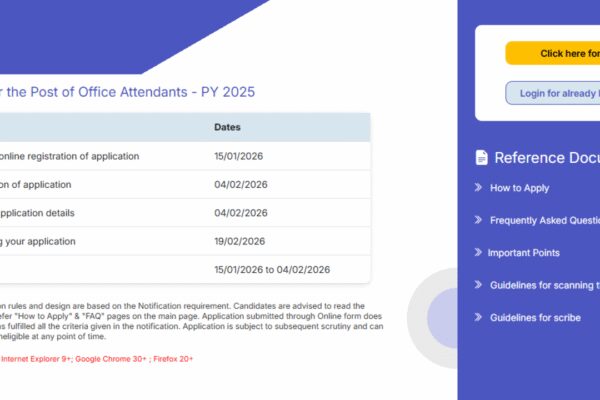
The Reserve Bank of India (RBI) has invited applications for the recruitment of Office Attendants 2026. A total of 572 vacancies are available across different regional offices. Interested candidates who have passed Class 10 can apply online. The last date to submit applications is February 4, 2026. The recruitment process includes an online test followed…

Read More
AI-generated image “We the people of India” saved the nation during Covid by “living like soldiers”. Today, citizens are again being asked to help the country by “living responsibly”.The language has changed from pandemic precautions to economic discipline, but the political pattern feels familiar.One way to detect coming trouble is to watch how governments speak. When administrations begin talking less about policy and more about behaviour — conserving fuel, avoiding excess spending, reducing travel, consuming responsibly — it often means the state is psychologically preparing society for harder economic measures.India has now seen this twice within five years: during Covid and now during the ongoing Gulf crisis triggered by the US-Israrel-Iran war.In both moments, governance shifted from direct administration to behavioural management. Citizens were no longer treated merely as taxpayers or voters, but as participants in national survival.The BJP-led NDA government has in the past resorted to direct administration when it believed it was necessary. Demonetisation, the rollout of GST are examples of high-impact executive action that had a huge impact on public life.However, during periods of economic or geopolitical stress, the Centre often changes tone before it changes policy.This is the politics of behavioural governance, and it may be one of the clearest early warning signs of a nation facing stress.The grammar of distressPrime Minister Narendra Modi’s recent speech in Hyderabad carried echoes familiar to anyone who remembers the pandemic years. The message was framed as an appeal, not an emergency order. There was no announcement of rationing or restrictions. Instead, the emphasis was on restraint, conservation and collective responsibility.The tone mattered.Governments rarely begin crisis management with force. They begin with persuasion.Economists often describe this as behavioural economics applied to governance — influencing public decision-making through messaging rather than compulsion. Instead of immediately imposing harsh measures, governments attempt to gently reshape behaviour first: consume less fuel, postpone discretionary spending, reduce imports, avoid panic buying, travel differently, work from home where possible.“The basic economics is that behavioural appeals are generally fast and low-cost because major fiscal interventions—subsidies, tax changes, stimulus packages, rationing systems, or price controls — require legislative approval, budget allocation, administrative coordination, and so on. Whereas, behavioural appeals, or a sort of signal, which sometimes also called ‘demand-side adjustment through norms’, shift part of the adjustment burden onto citizens voluntarily, reducing immediate state expenditure,” said Surya Bhushan, an alumnus of CESP, JNU, and now economics professor at DMI, Patna.Adding a political logic to it, he said “behavioural messaging avoids politically painful policies”.Are crises psychological before they get administrative?Economic distress is not only about shortages or numbers on a spreadsheet. They are also about public emotion.Bhushan argues that governments increasingly recognise this psychological dimension.“Crises are often partly psychological … economic crises are not only about material shortages; expectations matter enormously. For instance, if consumers panic: they hoard, rush to banks, speculate, overbuy fuel, or trigger inflationary spirals. In this regard, behavioural appeals aim to stabilize expectations and reduce panic behaviour.”This helps explain why official communication during crises often sounds calm even when underlying risks are serious. The objective is not only economic management, but emotional management.The speech itself becomes an economic tool.That was visible during Covid. It is visible again now amid fears surrounding oil supply disruptions and instability in the Persian Gulf that has impacted countries across the globe.Has India seen this form of governance before?Yes, long before behavioural governance became an academic phrase, governments were already using it during moments of national stress.During the 1962 India-China war, then PM Jawaharlal Nehru appealed directly to citizens not merely for support, but for participation. Asking Indians to contribute to the Prime Minister’s National Defence Fund, he framed the war effort as a collective civic responsibility rather than a task for the state alone.“The hardships which our soldiers are facing are not unknown to you,” Nehru said, urging citizens to become “comrades in this great struggle”.The appeal was not only financial. It psychologically transformed civilians into stakeholders in national defence.A similar pattern emerged during the 1965 Indo-Pak war, when Lal Bahadur Shastri urged citizens to voluntarily fast once a week to conserve food supplies amid shortages. Importantly, Shastri reportedly implemented the practice within his own household before asking the country to follow, giving the appeal moral legitimacy.By the 1971 war and the Bangladesh refugee crisis, behavioural messaging had become even more explicit. With the country’s economy under severe strain, Indira Gandhi appealed for “stern national discipline” and sacrifice.“Our factories and farms must produce more. Our railways and our entire transport and communication system must work uninterruptedly,” she said, warning that “everything must be subordinated” to preserving national stability.What connects these moments across decades is the language of collective duty. During crises, governments begin treating citizens not simply as governed populations, but as instruments of national resilience.The current appeals around fuel conservation, restrained consumption and “duty-first” behaviour follow the same political grammar — only updated for a modern economy shaped by oil shocks, global supply chains and digital life.The recent fuel price increase is a case in point.Petrol and diesel prices are not just economic indicators in India. They are deeply political symbols. Fuel prices shape transport costs, food inflation and household budgets, affecting nearly every layer of daily life. That is perhaps why fuel prices were not raised in the last four years.Finally, when the fuel prices were hiked it was timed to avoid the ongoing assembly election period despite rising global crude prices linked to West Asian tensions. Economically, the increase reflected global pressures. Politically, the timing reflected management.And before citizens fully processed the implications, the language of conservation had already entered public discourse.Why oil shocks hit India so deeply?India’s vulnerability to energy shocks makes behavioural governance especially relevant.Bhushan points out that oil is not just another commodity in the Indian economy: “Of course, India is structurally vulnerable to a prolonged oil-supply disruption because crude oil sits at the center of multiple systems simultaneously: transport, agriculture, logistics, chemicals, inflation management, fiscal stability, and the rupee itself.”That interconnectedness explains why governments become cautious when disruptions emerge around the Strait of Hormuz or the wider Gulf region. A sustained oil shock quickly spills into inflation, transport costs, fertiliser prices, currency pressure and household budgets.“What needs to be kept in mind is that the government had already cushioned the impact by cutting the excise duty on petrol and diesel by Rs 10 at the end of March. That has significant fiscal impact on the finances of both the Central and state governments,” said Ananth Krishna Varahe, head of the Nation First Policy Research Centre (NFPRC).“As a country without significant petroleum resources, we are downstream of a huge oil shock that we have more or less not seen the full effect of. The Government of India has taken in my opinion a calibrated approach in managing that shock to the domestic economy, which was the only right approach,” he added.He further argued that rising prices were unavoidable “considering that the OMCs were making losses up to Rs 1,000 crore a day”.How does behavioural governance work?Behavioural governance works by making citizens feel like active participants in managing a national crisis rather than passive subjects of state control. Governments first shape public behaviour through emotion, symbolism and collective responsibility before enforcing stricter measures.The Covid-19 pandemic offered perhaps the clearest example of this strategy.Before the nationwide lockdown was announced, Prime Minister Narendra Modi appealed for a voluntary “Janta Curfew” on March 22, 2020. There was no immediate coercive enforcement attached to it. Yet millions across the country stayed indoors, roads emptied, markets shut and public life paused almost entirely.What made the appeal effective was not law, but psychological mobilisation.The language used during the period deliberately transformed ordinary citizens into participants in a national mission. PM Modi repeatedly framed the pandemic as a collective battle and citizens as “soldiers” fighting it together.A similar vocabulary is visible again in the current Gulf-linked economic stress. Speaking at a public event in Secunderabad, PM Modi argued that rising global energy prices and supply-chain disruptions required “collective restraint” and a “duty-first” approach from citizens, once again framing behavioural adjustment as part of a national response.“Crises are often partly psychological … economic crises are not only about material shortages; expectations matter enormously,” said Bhushan.Can everyone equally participate in ‘national sacrifice’?Behavioural governance works best when sacrifice appears collective. But in practice, the ability to participate in it is deeply unequal.The Covid experience exposed this divide sharply. While sections of the middle class shifted to online meetings, home offices and app-based services, millions of migrant workers and informal labourers faced immediate economic collapse once transportation systems shut down and work disappeared almost overnight.The migrant crisis during the lockdown became one of the starkest reminders of how unevenly national sacrifice is experienced. As cities closed and transport networks stopped, thousands of migrant workers were forced to walk hundreds of kilometres back to their villages, often without income, food or shelter. For many of them, “staying home” was never a realistic option because survival itself depended on physical mobility and daily wages.“Behavioural austerity has hard limits, we all know because of informality of the economy, like, a street vendor, factory worker, truck driver, or migrant labourer cannot easily ‘opt out’ of fuel dependence. So we still need to think and work towards energy security,” Bhushan said.Crisis management or shifting responsibility?Many argue that behavioural governance builds resilience during emergencies. Encouraging lower fuel consumption, restrained imports and moderated spending can genuinely reduce pressure on foreign exchange reserves during periods of global instability.Critics, however, ask where responsible citizenship ends and the shifting of state responsibility begins.Varahe rejected the argument that responsibility is being outsourced to citizens. “The state responsibility has not been ‘shifted’. While there has been a ‘call to action’ from the PM himself, the Government has introduced measures to increase duty on imported gold or cap import of duty free gold. Similarly, the petrol/diesel prices have been increased. There are likely going to be many other measures that the Government will take.”He argued that the government is attempting to balance intervention with economic flexibility.“The line of thought is that the citizen should be pointed to ideal action, but not limited from making their own decisions.”Behavioural governance works because it turns citizens from passive recipients of policy into participants in crisis management. But it also raises a difficult question: how much of the burden of crisis should be absorbed by citizens themselves?That is why political language matters during uncertain times. When leaders begin speaking about discipline, restraint, conservation and sacrifice, they are also preparing society psychologically for the turbulence ahead.The speech becomes a policy instrument.And perhaps that is the real warning sign of a crisis – not when governments impose restrictions, but when they begin asking citizens to voluntarily change how they live.About the AuthorAastha JhaAastha Jha is a writer at The Times of India, covering politics. She also writes on business, global affairs, social issues, with a focus on policy, governance and their impact on everyday lives. Her work brings together reportage and analysis, tracking developments in India and abroad while examining the broader social and economic currents shaping public discourse.Read MoreEnd of ArticleFollow Us On Social MediaVideos‘The World Needs More Sambandh’: Iceland PM Kristrún Frostadóttir Praises PM Modi At Oslo SummitTMC Candidate Jahangir Khan Pulls Out Of Falta Re-Poll 2 Days Before Voting | Headlines@9Out On Bail, Rape Accused Gets Grand Welcome In UP’s GhaziabadKanpur: ITBP Soldier Carries Mother’s Severed Hand to Police HQ After Alleged Hospital NegligenceFrom Islampura Back To Krishan Nagar: Pakistan Moves To Restore Lahore’s Pre-Partition Names’New Sunrise’: Amit Shah Unveils Bastar Development Push, Slams Previous Congress GovtDelhi Court Rejects Umar Khalid’s Interim Bail Plea In 2020 Riots CaseTMC Candidate Jahangir Khan Withdraws From Falta Repoll Days After ‘Pushpa’ Face-Off10 Arrests, 3 States: Meet The ‘Masterminds’ Of NEET-UG 2026 Paper Leak Now In CBI CustodyNationwide Chemists’ Strike Explained: Why 12.4 Lakh Pharmacies Are Protesting Against E-Pharmacies123PhotostoriesThink they’re polar bears? These 5 dogs can easily fool youDelhi records 44°C temperature: Ministry of Ayush recommends 12 foods and drinks for protection against heat-related illnessesVaping vs cigarettes: Why cancer doctors say young adults should stop believing the “safer alternative” mythSummer skincare tips: Natural ingredients to treat tanning and breakoutsMovies that were turned into popular web series: ‘LOTR,’ ‘Cobra Kai,’ ‘Dune: Prophecy,’ and moreInside Nawazuddin Siddiqui’s Rs. 96 crore net worth: Bungalow named after his father, pay packages, cars and everything you need to know10 surprising facts about gharials that make them different from other crocodiliansMeet the eyelash viper: One of nature’s most striking snakesCannes 2026: Barbara Palvin and Dylan Sprouse make a surprise baby bump reveal look like high fashionHigh blood pressure? 5 best foods to lower it naturally123Hot PicksSBI apprentice recruitment 2026US Iran warCBSE Class 12 re-evaluation 2026Gold price predictionAdani Group stocksNEET exam cancelledTamil Nadu assemblyTop TrendingTwisha SharmaJEE AdvancedFifa World Cup 2026Subnautica 2 Enameled Glass GuideWWE Raw HighlightsIPL 2026IPL Orange Cap 2026India VS Afghanistan Squad AnnouncementLeviathan in Subnautica 2Fuel Price Hike

AI-generated image “We the people of India” saved the nation during Covid by “living like soldiers”. Today, citizens are again being asked to help the country by “living responsibly”.The language has changed from pandemic precautions to economic discipline, but the political pattern feels familiar.One way to detect coming trouble is to watch how governments speak. When administrations begin talking less about policy and more about behaviour — conserving fuel, avoiding excess spending, reducing travel, consuming responsibly — it often means the state is psychologically preparing society for harder economic measures.India has now seen this twice within five years: during Covid and now during the ongoing Gulf crisis triggered by the US-Israrel-Iran war.In both moments, governance shifted from direct administration to behavioural management. Citizens were no longer treated merely as taxpayers or voters, but as participants in national survival.The BJP-led NDA government has in the past resorted to direct administration when it believed it was necessary. Demonetisation, the rollout of GST are examples of high-impact executive action that had a huge impact on public life.However, during periods of economic or geopolitical stress, the Centre often changes tone before it changes policy.This is the politics of behavioural governance, and it may be one of the clearest early warning signs of a nation facing stress.The grammar of distressPrime Minister Narendra Modi’s recent speech in Hyderabad carried echoes familiar to anyone who remembers the pandemic years. The message was framed as an appeal, not an emergency order. There was no announcement of rationing or restrictions. Instead, the emphasis was on restraint, conservation and collective responsibility.The tone mattered.Governments rarely begin crisis management with force. They begin with persuasion.Economists often describe this as behavioural economics applied to governance — influencing public decision-making through messaging rather than compulsion. Instead of immediately imposing harsh measures, governments attempt to gently reshape behaviour first: consume less fuel, postpone discretionary spending, reduce imports, avoid panic buying, travel differently, work from home where possible.“The basic economics is that behavioural appeals are generally fast and low-cost because major fiscal interventions—subsidies, tax changes, stimulus packages, rationing systems, or price controls — require legislative approval, budget allocation, administrative coordination, and so on. Whereas, behavioural appeals, or a sort of signal, which sometimes also called ‘demand-side adjustment through norms’, shift part of the adjustment burden onto citizens voluntarily, reducing immediate state expenditure,” said Surya Bhushan, an alumnus of CESP, JNU, and now economics professor at DMI, Patna.Adding a political logic to it, he said “behavioural messaging avoids politically painful policies”.Are crises psychological before they get administrative?Economic distress is not only about shortages or numbers on a spreadsheet. They are also about public emotion.Bhushan argues that governments increasingly recognise this psychological dimension.“Crises are often partly psychological … economic crises are not only about material shortages; expectations matter enormously. For instance, if consumers panic: they hoard, rush to banks, speculate, overbuy fuel, or trigger inflationary spirals. In this regard, behavioural appeals aim to stabilize expectations and reduce panic behaviour.”This helps explain why official communication during crises often sounds calm even when underlying risks are serious. The objective is not only economic management, but emotional management.The speech itself becomes an economic tool.That was visible during Covid. It is visible again now amid fears surrounding oil supply disruptions and instability in the Persian Gulf that has impacted countries across the globe.Has India seen this form of governance before?Yes, long before behavioural governance became an academic phrase, governments were already using it during moments of national stress.During the 1962 India-China war, then PM Jawaharlal Nehru appealed directly to citizens not merely for support, but for participation. Asking Indians to contribute to the Prime Minister’s National Defence Fund, he framed the war effort as a collective civic responsibility rather than a task for the state alone.“The hardships which our soldiers are facing are not unknown to you,” Nehru said, urging citizens to become “comrades in this great struggle”.The appeal was not only financial. It psychologically transformed civilians into stakeholders in national defence.A similar pattern emerged during the 1965 Indo-Pak war, when Lal Bahadur Shastri urged citizens to voluntarily fast once a week to conserve food supplies amid shortages. Importantly, Shastri reportedly implemented the practice within his own household before asking the country to follow, giving the appeal moral legitimacy.By the 1971 war and the Bangladesh refugee crisis, behavioural messaging had become even more explicit. With the country’s economy under severe strain, Indira Gandhi appealed for “stern national discipline” and sacrifice.“Our factories and farms must produce more. Our railways and our entire transport and communication system must work uninterruptedly,” she said, warning that “everything must be subordinated” to preserving national stability.What connects these moments across decades is the language of collective duty. During crises, governments begin treating citizens not simply as governed populations, but as instruments of national resilience.The current appeals around fuel conservation, restrained consumption and “duty-first” behaviour follow the same political grammar — only updated for a modern economy shaped by oil shocks, global supply chains and digital life.The recent fuel price increase is a case in point.Petrol and diesel prices are not just economic indicators in India. They are deeply political symbols. Fuel prices shape transport costs, food inflation and household budgets, affecting nearly every layer of daily life. That is perhaps why fuel prices were not raised in the last four years.Finally, when the fuel prices were hiked it was timed to avoid the ongoing assembly election period despite rising global crude prices linked to West Asian tensions. Economically, the increase reflected global pressures. Politically, the timing reflected management.And before citizens fully processed the implications, the language of conservation had already entered public discourse.Why oil shocks hit India so deeply?India’s vulnerability to energy shocks makes behavioural governance especially relevant.Bhushan points out that oil is not just another commodity in the Indian economy: “Of course, India is structurally vulnerable to a prolonged oil-supply disruption because crude oil sits at the center of multiple systems simultaneously: transport, agriculture, logistics, chemicals, inflation management, fiscal stability, and the rupee itself.”That interconnectedness explains why governments become cautious when disruptions emerge around the Strait of Hormuz or the wider Gulf region. A sustained oil shock quickly spills into inflation, transport costs, fertiliser prices, currency pressure and household budgets.“What needs to be kept in mind is that the government had already cushioned the impact by cutting the excise duty on petrol and diesel by Rs 10 at the end of March. That has significant fiscal impact on the finances of both the Central and state governments,” said Ananth Krishna Varahe, head of the Nation First Policy Research Centre (NFPRC).“As a country without significant petroleum resources, we are downstream of a huge oil shock that we have more or less not seen the full effect of. The Government of India has taken in my opinion a calibrated approach in managing that shock to the domestic economy, which was the only right approach,” he added.He further argued that rising prices were unavoidable “considering that the OMCs were making losses up to Rs 1,000 crore a day”.How does behavioural governance work?Behavioural governance works by making citizens feel like active participants in managing a national crisis rather than passive subjects of state control. Governments first shape public behaviour through emotion, symbolism and collective responsibility before enforcing stricter measures.The Covid-19 pandemic offered perhaps the clearest example of this strategy.Before the nationwide lockdown was announced, Prime Minister Narendra Modi appealed for a voluntary “Janta Curfew” on March 22, 2020. There was no immediate coercive enforcement attached to it. Yet millions across the country stayed indoors, roads emptied, markets shut and public life paused almost entirely.What made the appeal effective was not law, but psychological mobilisation.The language used during the period deliberately transformed ordinary citizens into participants in a national mission. PM Modi repeatedly framed the pandemic as a collective battle and citizens as “soldiers” fighting it together.A similar vocabulary is visible again in the current Gulf-linked economic stress. Speaking at a public event in Secunderabad, PM Modi argued that rising global energy prices and supply-chain disruptions required “collective restraint” and a “duty-first” approach from citizens, once again framing behavioural adjustment as part of a national response.“Crises are often partly psychological … economic crises are not only about material shortages; expectations matter enormously,” said Bhushan.Can everyone equally participate in ‘national sacrifice’?Behavioural governance works best when sacrifice appears collective. But in practice, the ability to participate in it is deeply unequal.The Covid experience exposed this divide sharply. While sections of the middle class shifted to online meetings, home offices and app-based services, millions of migrant workers and informal labourers faced immediate economic collapse once transportation systems shut down and work disappeared almost overnight.The migrant crisis during the lockdown became one of the starkest reminders of how unevenly national sacrifice is experienced. As cities closed and transport networks stopped, thousands of migrant workers were forced to walk hundreds of kilometres back to their villages, often without income, food or shelter. For many of them, “staying home” was never a realistic option because survival itself depended on physical mobility and daily wages.“Behavioural austerity has hard limits, we all know because of informality of the economy, like, a street vendor, factory worker, truck driver, or migrant labourer cannot easily ‘opt out’ of fuel dependence. So we still need to think and work towards energy security,” Bhushan said.Crisis management or shifting responsibility?Many argue that behavioural governance builds resilience during emergencies. Encouraging lower fuel consumption, restrained imports and moderated spending can genuinely reduce pressure on foreign exchange reserves during periods of global instability.Critics, however, ask where responsible citizenship ends and the shifting of state responsibility begins.Varahe rejected the argument that responsibility is being outsourced to citizens. “The state responsibility has not been ‘shifted’. While there has been a ‘call to action’ from the PM himself, the Government has introduced measures to increase duty on imported gold or cap import of duty free gold. Similarly, the petrol/diesel prices have been increased. There are likely going to be many other measures that the Government will take.”He argued that the government is attempting to balance intervention with economic flexibility.“The line of thought is that the citizen should be pointed to ideal action, but not limited from making their own decisions.”Behavioural governance works because it turns citizens from passive recipients of policy into participants in crisis management. But it also raises a difficult question: how much of the burden of crisis should be absorbed by citizens themselves?That is why political language matters during uncertain times. When leaders begin speaking about discipline, restraint, conservation and sacrifice, they are also preparing society psychologically for the turbulence ahead.The speech becomes a policy instrument.And perhaps that is the real warning sign of a crisis – not when governments impose restrictions, but when they begin asking citizens to voluntarily change how they live.About the AuthorAastha JhaAastha Jha is a writer at The Times of India, covering politics. She also writes on business, global affairs, social issues, with a focus on policy, governance and their impact on everyday lives. Her work brings together reportage and analysis, tracking developments in India and abroad while examining the broader social and economic currents shaping public discourse.Read MoreEnd of ArticleFollow Us On Social MediaVideos‘The World Needs More Sambandh’: Iceland PM Kristrún Frostadóttir Praises PM Modi At Oslo SummitTMC Candidate Jahangir Khan Pulls Out Of Falta Re-Poll 2 Days Before Voting | Headlines@9Out On Bail, Rape Accused Gets Grand Welcome In UP’s GhaziabadKanpur: ITBP Soldier Carries Mother’s Severed Hand to Police HQ After Alleged Hospital NegligenceFrom Islampura Back To Krishan Nagar: Pakistan Moves To Restore Lahore’s Pre-Partition Names’New Sunrise’: Amit Shah Unveils Bastar Development Push, Slams Previous Congress GovtDelhi Court Rejects Umar Khalid’s Interim Bail Plea In 2020 Riots CaseTMC Candidate Jahangir Khan Withdraws From Falta Repoll Days After ‘Pushpa’ Face-Off10 Arrests, 3 States: Meet The ‘Masterminds’ Of NEET-UG 2026 Paper Leak Now In CBI CustodyNationwide Chemists’ Strike Explained: Why 12.4 Lakh Pharmacies Are Protesting Against E-Pharmacies123PhotostoriesThink they’re polar bears? These 5 dogs can easily fool youDelhi records 44°C temperature: Ministry of Ayush recommends 12 foods and drinks for protection against heat-related illnessesVaping vs cigarettes: Why cancer doctors say young adults should stop believing the “safer alternative” mythSummer skincare tips: Natural ingredients to treat tanning and breakoutsMovies that were turned into popular web series: ‘LOTR,’ ‘Cobra Kai,’ ‘Dune: Prophecy,’ and moreInside Nawazuddin Siddiqui’s Rs. 96 crore net worth: Bungalow named after his father, pay packages, cars and everything you need to know10 surprising facts about gharials that make them different from other crocodiliansMeet the eyelash viper: One of nature’s most striking snakesCannes 2026: Barbara Palvin and Dylan Sprouse make a surprise baby bump reveal look like high fashionHigh blood pressure? 5 best foods to lower it naturally123Hot PicksSBI apprentice recruitment 2026US Iran warCBSE Class 12 re-evaluation 2026Gold price predictionAdani Group stocksNEET exam cancelledTamil Nadu assemblyTop TrendingTwisha SharmaJEE AdvancedFifa World Cup 2026Subnautica 2 Enameled Glass GuideWWE Raw HighlightsIPL 2026IPL Orange Cap 2026India VS Afghanistan Squad AnnouncementLeviathan in Subnautica 2Fuel Price Hike

“We the people of India” saved the nation during Covid by “living like soldiers”. Today, citizens are again being asked to help the country by “living responsibly”.The language has changed from pandemic precautions to economic discipline, but the political pattern feels familiar.One way to detect coming trouble is to watch how governments speak. When administrations…

Read More
CBSE Physics paper analysis 2026: Moderate paper with focus on concepts and derivations; download PDF here

CBSE Physics paper analysis 2026: Moderate paper with focus on concepts and derivations; download PDF here

CBSE Class 12 Physics paper analysis 2026: Students report mixed reactions, experts call it moderate The Central Board of Secondary Education (CBSE) is conducting the Class 12 Physics examination as part of the 2026 board cycle, with 18,59,551 students registered for the senior secondary exams this year. The paper is being held in offline mode…

Read More
NEW DELHI: Tamil Nadu chief minister MK Stalin on Saturday announced a subsidy of Rs 2 per unit on additional electricity consumption for restaurants, tea shops, cloud kitchens and other food production units that switch from LPG to electric stoves, as the state government moves to address a fuel shortage linked to tensions in the Gulf region.The decision was taken at a review meeting chaired by Stalin at the Secretariat to assess the impact of LPG shortages on industries and the food sector and ensure their operations continue smoothly.Chairman and Managing Director of Tamil Nadu Power Generation and Distribution Corporation, J Radhakrishnan, said the disruption began after the United States and Israel launched a joint military attack on Iran on February 28, following which Tehran blocked ships passing through the Strait of Hormuz.Israel Iran WarUS-Israel-Iran War News Live Updates: ‘All oil and energy infrastructure will turn to ashes,’ says Iran after US hits Kharg IslandUs Bombs Kharg Island: Trump says raid hit Iran military targets; warns on Strait shipping’Heart of Iran’s oil exports’: US strikes Kharg Island — why it’s a big blow to TehranHe said the move affected the supply of crude oil and LPG from the Gulf region to India.Under the new measure, eateries that shift to electric cooking will receive the subsidy for the additional electricity consumed during the period when commercial LPG usage restrictions imposed by the central government remain in force.To support micro, small and medium enterprises, the state government will also provide subsidised loans for purchasing electric equipment such as stoves and heaters. Under the Unemployed Youth Employment Generation Programme, eligible entrepreneurs can avail of a 25 percent subsidy up to ₹3.75 lakh. The Tamil Nadu Women Entrepreneurship Development Scheme will provide a 25 percent subsidy capped at ₹2 lakh for loans up to ₹10 lakh to support women-led businesses.For SC and ST entrepreneurs, the Annai Ambedkar Business Champions Scheme will offer a higher capital subsidy of 35 percent, up to ₹1 crore, to promote the adoption of high efficiency electric machinery.The government also allowed industries to temporarily switch to alternative fuels such as kerosene, RDF, HSD and biomass instead of LPG and CNG. These units will not need fresh consent approvals from the Tamil Nadu Pollution Control Board and will only have to inform the authorities in advance. The relaxation will remain in place during the period of LPG and CNG restrictions.Across Tamil Nadu, about 60,698 factories operate with permission from the pollution control board using fuels such as LPG, CNG, diesel, furnace oil and firewood.The state also said Aavin cooperative societies will procure excess milk produced by farmers without restrictions. Tamil Nadu has 9,300 primary milk producers’ cooperative societies capable of handling around 55 lakh litres of milk per day.Farmers will also be allowed to sell vegetables and fruits freely in 194 Uzhavar Sandhais, or farmers’ markets, across the state to ensure their livelihoods are not affected if restaurants reduce operations due to the LPG shortage.To monitor LPG allocation to commercial establishments, the government will form a state level monitoring committee under the Chief Secretary along with district level committees headed by district collectors and officials from oil distribution companies.The state has also supplied an additional 3,228 kilolitres of kerosene this month to ration card holders through the Public Distribution System.A state government oil companies coordinator said fuel stocks remain adequate and urged people not to panic.”Petrol and diesel stocks are sufficient for one month, and further arrangements will also be made. There is no need for the public to panic. Due to rumours, petrol and diesel sales have doubled. Gas cylinders are normally supplied in urban areas once every 25 days, and there is sufficient stock for up to one month. LPG supplies will be prioritized for hospitals, schools, and college hostels,” he said.The chief minister had earlier chaired a review meeting on March 10 regarding the LPG shortage and directed departments to take measures to address the restrictions.Subsequently, the state food and civil supplies minister met industry representatives and hotel and restaurant associations on March 11 to discuss their concerns, while the chief secretary held review meetings on March 9, 12 and 13 with officials from relevant departments.About the AuthorTOI News DeskThe TOI News Desk comprises a dedicated and tireless team of journalists who operate around the clock to deliver the most current and comprehensive news and updates to the readers of The Times of India worldwide. With an unwavering commitment to excellence in journalism, our team is at the forefront of gathering, verifying, and presenting breaking news, in-depth analysis, and insightful reports on a wide range of topics. The TOI News Desk is your trusted source for staying informed and connected to the ever-evolving global landscape, ensuring that our readers are equipped with the latest developments that matter most.”Read MoreEnd of ArticleFollow Us On Social MediaVideosCentre Ends Activist Sonam Wangchuk’s Detention Under NSA After 6 Months Of Jail Over Ladakh ProtestU Visa Scam Busted: 11 Indian Nationals Accused Of Staging Armed Robberies In United StatesPM Modi Launches Mega Assam Infra Projects, Takes Sharp Dig At Congress Over Rs 24,000 Crore PushFuel Diplomacy: South Asian Neighbours Turn To India For Energy As War Disrupts Gulf Energy Routes’Netanyahu Exploited Modi Visit’: Ex-Foreign Secretary Kanwal Sibal Questions India’s Iran ResponseIran Mocks US, Says White House Now Begging India To Buy Russian Oil After Trade, Tariff PressuresModi-Jaishankar Diplomacy Pays Off? Iran Allows LPG Ships With ‘Friend’ India’s Flag Pass Hormuz‘Why Didn’t India Condemn?’ Owaisi Questions PM Modi’s Silence On Iran, Slams West Asia Policy‘Would Never Recover’: Rajnath Singh Warns Pakistan, Cites BrahMos Strike In Op SindoorPM Modi Invokes Nehru To Accuse Congress Of Spreading Misinformation During US-Iran War Crisis123PhotostoriesHow this Indian princess used her royal jewels to defy the Nazis and save livesWhat is MahaRERA? 5 important rules every homebuyer and developer should know in MaharashtraDipika Kakar opens up about her cyst removal surgery; shares, ‘People come up to me and ask me why I cry so much?’Anushka Sharma to Taapsee Pannu: Celebrities who married outside of the film circle7 types of food revolutions and how they impacted the food industry5 Unique Offerings at the Guruvayoor TempleGhaziabad set for smoother rides as new ramps planned on Hindon Elevated RoadKuldeep Yadav to marry Vanshika Chadha today: Yuzvendra Chahal shares pictures from wedding festivities, Virat Kohli and Rohit Sharma among VIP guests – All details here5 islands and coastal destinations near the Strait of Hormuz travellers rarely hear aboutTamil Nadu gets Rs 13 crore Ukkadam Bus Terminal-1 with 28 bus bays on 3.27 acres123Hot PicksIran war newsLPG crisis in IndiaIndia–South Korea tradeGold rate todayIncome Tax CalculatorPublic holidays March 2026Bank Holidays MarchTop TrendingPatrick MahomesBrittany Mahomes Net WorthWilt ChamberlainMovsar EvloevMichael BispingLPG Crisis IndiaMadison Pettis GirlfriendIran US WarIPL 2026 Chennai Super KingsMiddle East War

NEW DELHI: Tamil Nadu chief minister MK Stalin on Saturday announced a subsidy of Rs 2 per unit on additional electricity consumption for restaurants, tea shops, cloud kitchens and other food production units that switch from LPG to electric stoves, as the state government moves to address a fuel shortage linked to tensions in the Gulf region.The decision was taken at a review meeting chaired by Stalin at the Secretariat to assess the impact of LPG shortages on industries and the food sector and ensure their operations continue smoothly.Chairman and Managing Director of Tamil Nadu Power Generation and Distribution Corporation, J Radhakrishnan, said the disruption began after the United States and Israel launched a joint military attack on Iran on February 28, following which Tehran blocked ships passing through the Strait of Hormuz.Israel Iran WarUS-Israel-Iran War News Live Updates: ‘All oil and energy infrastructure will turn to ashes,’ says Iran after US hits Kharg IslandUs Bombs Kharg Island: Trump says raid hit Iran military targets; warns on Strait shipping’Heart of Iran’s oil exports’: US strikes Kharg Island — why it’s a big blow to TehranHe said the move affected the supply of crude oil and LPG from the Gulf region to India.Under the new measure, eateries that shift to electric cooking will receive the subsidy for the additional electricity consumed during the period when commercial LPG usage restrictions imposed by the central government remain in force.To support micro, small and medium enterprises, the state government will also provide subsidised loans for purchasing electric equipment such as stoves and heaters. Under the Unemployed Youth Employment Generation Programme, eligible entrepreneurs can avail of a 25 percent subsidy up to ₹3.75 lakh. The Tamil Nadu Women Entrepreneurship Development Scheme will provide a 25 percent subsidy capped at ₹2 lakh for loans up to ₹10 lakh to support women-led businesses.For SC and ST entrepreneurs, the Annai Ambedkar Business Champions Scheme will offer a higher capital subsidy of 35 percent, up to ₹1 crore, to promote the adoption of high efficiency electric machinery.The government also allowed industries to temporarily switch to alternative fuels such as kerosene, RDF, HSD and biomass instead of LPG and CNG. These units will not need fresh consent approvals from the Tamil Nadu Pollution Control Board and will only have to inform the authorities in advance. The relaxation will remain in place during the period of LPG and CNG restrictions.Across Tamil Nadu, about 60,698 factories operate with permission from the pollution control board using fuels such as LPG, CNG, diesel, furnace oil and firewood.The state also said Aavin cooperative societies will procure excess milk produced by farmers without restrictions. Tamil Nadu has 9,300 primary milk producers’ cooperative societies capable of handling around 55 lakh litres of milk per day.Farmers will also be allowed to sell vegetables and fruits freely in 194 Uzhavar Sandhais, or farmers’ markets, across the state to ensure their livelihoods are not affected if restaurants reduce operations due to the LPG shortage.To monitor LPG allocation to commercial establishments, the government will form a state level monitoring committee under the Chief Secretary along with district level committees headed by district collectors and officials from oil distribution companies.The state has also supplied an additional 3,228 kilolitres of kerosene this month to ration card holders through the Public Distribution System.A state government oil companies coordinator said fuel stocks remain adequate and urged people not to panic.”Petrol and diesel stocks are sufficient for one month, and further arrangements will also be made. There is no need for the public to panic. Due to rumours, petrol and diesel sales have doubled. Gas cylinders are normally supplied in urban areas once every 25 days, and there is sufficient stock for up to one month. LPG supplies will be prioritized for hospitals, schools, and college hostels,” he said.The chief minister had earlier chaired a review meeting on March 10 regarding the LPG shortage and directed departments to take measures to address the restrictions.Subsequently, the state food and civil supplies minister met industry representatives and hotel and restaurant associations on March 11 to discuss their concerns, while the chief secretary held review meetings on March 9, 12 and 13 with officials from relevant departments.About the AuthorTOI News DeskThe TOI News Desk comprises a dedicated and tireless team of journalists who operate around the clock to deliver the most current and comprehensive news and updates to the readers of The Times of India worldwide. With an unwavering commitment to excellence in journalism, our team is at the forefront of gathering, verifying, and presenting breaking news, in-depth analysis, and insightful reports on a wide range of topics. The TOI News Desk is your trusted source for staying informed and connected to the ever-evolving global landscape, ensuring that our readers are equipped with the latest developments that matter most.”Read MoreEnd of ArticleFollow Us On Social MediaVideosCentre Ends Activist Sonam Wangchuk’s Detention Under NSA After 6 Months Of Jail Over Ladakh ProtestU Visa Scam Busted: 11 Indian Nationals Accused Of Staging Armed Robberies In United StatesPM Modi Launches Mega Assam Infra Projects, Takes Sharp Dig At Congress Over Rs 24,000 Crore PushFuel Diplomacy: South Asian Neighbours Turn To India For Energy As War Disrupts Gulf Energy Routes’Netanyahu Exploited Modi Visit’: Ex-Foreign Secretary Kanwal Sibal Questions India’s Iran ResponseIran Mocks US, Says White House Now Begging India To Buy Russian Oil After Trade, Tariff PressuresModi-Jaishankar Diplomacy Pays Off? Iran Allows LPG Ships With ‘Friend’ India’s Flag Pass Hormuz‘Why Didn’t India Condemn?’ Owaisi Questions PM Modi’s Silence On Iran, Slams West Asia Policy‘Would Never Recover’: Rajnath Singh Warns Pakistan, Cites BrahMos Strike In Op SindoorPM Modi Invokes Nehru To Accuse Congress Of Spreading Misinformation During US-Iran War Crisis123PhotostoriesHow this Indian princess used her royal jewels to defy the Nazis and save livesWhat is MahaRERA? 5 important rules every homebuyer and developer should know in MaharashtraDipika Kakar opens up about her cyst removal surgery; shares, ‘People come up to me and ask me why I cry so much?’Anushka Sharma to Taapsee Pannu: Celebrities who married outside of the film circle7 types of food revolutions and how they impacted the food industry5 Unique Offerings at the Guruvayoor TempleGhaziabad set for smoother rides as new ramps planned on Hindon Elevated RoadKuldeep Yadav to marry Vanshika Chadha today: Yuzvendra Chahal shares pictures from wedding festivities, Virat Kohli and Rohit Sharma among VIP guests – All details here5 islands and coastal destinations near the Strait of Hormuz travellers rarely hear aboutTamil Nadu gets Rs 13 crore Ukkadam Bus Terminal-1 with 28 bus bays on 3.27 acres123Hot PicksIran war newsLPG crisis in IndiaIndia–South Korea tradeGold rate todayIncome Tax CalculatorPublic holidays March 2026Bank Holidays MarchTop TrendingPatrick MahomesBrittany Mahomes Net WorthWilt ChamberlainMovsar EvloevMichael BispingLPG Crisis IndiaMadison Pettis GirlfriendIran US WarIPL 2026 Chennai Super KingsMiddle East War

NEW DELHI: Tamil Nadu chief minister MK Stalin on Saturday announced a subsidy of Rs 2 per unit on additional electricity consumption for restaurants, tea shops, cloud kitchens and other food production units that switch from LPG to electric stoves, as the state government moves to address a fuel shortage linked to tensions in the…

Read More
Army’s ‘phased battle array’, IAF flypast and cultural diversity take centre stage — key takeaways from 77th Republic Day | India News

Army’s ‘phased battle array’, IAF flypast and cultural diversity take centre stage — key takeaways from 77th Republic Day | India News

NEW DELHI: India marked its 77th Republic Day on Monday with ceremonies across the country commemorating the adoption of the Constitution. The celebrations highlighted India’s democratic journey, cultural heritage and military strength. Kartavya Path in New Delhi remained the focal point of the national event, drawing top leadership, foreign dignitaries and thousands of spectators.President Murmu…

Read More
John Stamos shares ‘last pic’ with Bob Saget on his birth anniversary: ‘Your 70th today would’ve been epic!’

John Stamos shares ‘last pic’ with Bob Saget on his birth anniversary: ‘Your 70th today would’ve been epic!’

John Stamos, the ‘Full House’ star, paid a heartwarming tribute to his longtime friend and co-star, Bob Saget, on the day that would have been his 70th birthday. Sharing a carousel of pictures on social media, the 62-year-old actor gave an adorable glimpse of their memories. John Stamos shares a heartfelt tribute Posting their ‘last…

Read More
Karisma Kapoor’s kids’ lawyer reacts to Priya Kapur’s claim of paying Rs 95 lakh per semester fees for daughter’s university, Sunjay Kapur ‘digital ghost’ in his will

Karisma Kapoor’s kids’ lawyer reacts to Priya Kapur’s claim of paying Rs 95 lakh per semester fees for daughter’s university, Sunjay Kapur ‘digital ghost’ in his will

Karisma Kapoor’s children are fighting a legal battle against Sunjay Kapur’s widowed wife Priya Kapur in the court. Sunjay Kapur passed away in June this year, but soon after his demise, there’s been a family feud regarding his will and Rs 30,000 crore estate. Karisma’s children filed a plea in court, alleging that Priya has…

Read More
‘I am 98 but still young’: Her husband died, her home fell silent – then Prabhavati Nani turned her kitchen into a thriving business

‘I am 98 but still young’: Her husband died, her home fell silent – then Prabhavati Nani turned her kitchen into a thriving business

Not every trending moment begins with a startup pitch or a young founder chasing investment. Sometimes, it comes from a quiet home, a simple kitchen, and the decision to keep going even when life slows down. That is exactly why this example from Ahmedabad is drawing so much attention right now.It is not built on…

Read More
Not only visa, Green Card can also get delayed after social media scrutiny, says immigration lawyer; ‘Posts about side hustle…’

Not only visa, Green Card can also get delayed after social media scrutiny, says immigration lawyer; ‘Posts about side hustle…’

While consular officers can deny visas after going through the social media history of the applicants, it can happen to Green Card applicants too, New Jersey-based immigration lawyer Abhisha Parikh said. And this can even include old dating app activities as well. The case of Indian CEO Jasveer Singh being denied a B1/B2 visa has…

Read More
From Gujarat to the Gulf: ‘Laalo – Krishna Sada Sahaayate’ earns 15,000% profit on its production cost

From Gujarat to the Gulf: ‘Laalo – Krishna Sada Sahaayate’ earns 15,000% profit on its production cost

The devotional drama ‘Laalo – Krishna Sada Sahaayate’ continues to rule the Gujarati regional box office success. Directed by Ankit Sakhiya, the film features Karan Joshi, Reeva Rachh, and Shruhad Goswami in the lead roles. The film which is receiving praise all over the nation, is also doing extremely well abroad.As reported by News 18,…

Read More
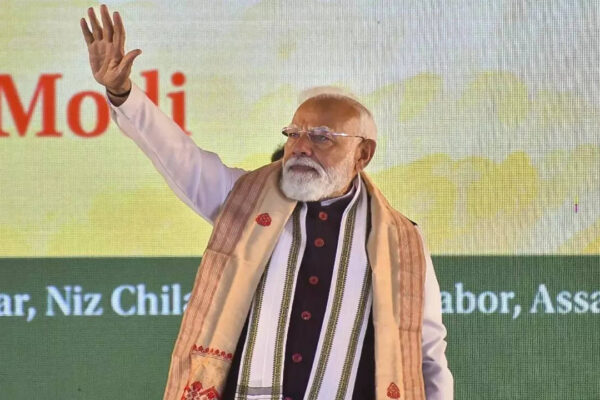
PM Modi in Assam (PTI photo) NEW DELHI: Prime Minister Narendra Modi on Sunday praised his party, the Bharatiya Janata Party, saying the country has placed its faith in the BJP for the past one-and-a-half years and that the party has been on a “continuous rise.”Hailing the major victories of the BJP, after a brief setback in the 2024 Lok Sabha elections, PM Modi said: “BJP has become the first choice of everyone in the country”.”Recently, elections were held in Bihar and people gave a record mandate to the BJP. Two days ago, municipal corporation election results for major cities in Maharashtra were held. One of the world’s biggest municipal corporations, Mumbai, gave a historic mandate to the BJP, making the party win for the first time… In Kerala municipal elections also, people greatly supported the BJP, and Thiruvananthapuram has a BJP mayor for the first time,” PM Modi was quoted as saying by news agency ANI. ‘BJP Won By Betrayal’: Uddhav Thackeray’s First Reaction On Mumbai Civic Poll Results Hitting out at the rival Congress, PM accused the party of “handing over Assam’s land to infiltrators for votes during its rule in the northeastern state”.PM Modi alleged that infiltration kept increasing during the Congress rule in Assam for decades, with illegal immigrants encroaching upon forests, animal corridors and traditional institutions.”The BJP government is protecting Assam’s identity and culture by evicting infiltrators who encroached land,” he said in Assam’s Kaliabor.”Voters trust BJP for good governance and development. In the Bihar polls, people gave the party record votes and seats even after 20 years in power,” he said.PM Modi’s remark comes days after BJP pulled off a massive victory in Mumbai’s BMC elections, wresting power from the ally-turned-rival Uddhav Thackeray.BJP-led Mahayuti crossed the halfway mark of 114 in the 227-member body, but not by much. BJP won 89 seats and Shinde’s Shiv Sena 29 to gain a narrow lead. In effect, the BJP will need Eknath Shinde’s backing for big decisions.The Uddhav-Raj Thackeray combine won 71 seats (Uddhav’s Sena winning 65 and Raj Thackeray’s MNS taking 6), retaining a large chunk of wards in the city’s Marathi heartland but losing out on the control of Asia’s richest civic body.PM Modi laid the foundation stone for the Rs 6,957-crore Kaziranga Elevated Corridor, and virtually flagged off two Amrit Bharat trains in Assam’s Nagaon district.Modi, who arrived here from Guwahati in the final leg of his two-day visit to the state, performed ‘Bhoomi Poojan’ of the Kaziranga project.The corridor is aimed at ensuring safe wildlife movement across the Kaziranga National Park and Tiger Reserve, reduce road accidents on National Highway-715, and boost ecotourism, while generating local employment opportunities, an official said.It forms part of the four-laning of the Kaliabor-Numaligarh section of NH-715, and includes around 34.45 km of elevated wildlife-friendly corridors, along with bypasses at Jakhalabandha and Bokakhat, he said.PM Modi also reviewed a model of the Kaziranga Elevated Corridor.The Prime Minister also virtually flagged off two Amrit Bharat Express trains – Dibrugarh-Gomti Nagar (Lucknow) and Kamakhya-Rohtak.About the AuthorTOI News DeskThe TOI News Desk comprises a dedicated and tireless team of journalists who operate around the clock to deliver the most current and comprehensive news and updates to the readers of The Times of India worldwide. With an unwavering commitment to excellence in journalism, our team is at the forefront of gathering, verifying, and presenting breaking news, in-depth analysis, and insightful reports on a wide range of topics. The TOI News Desk is your trusted source for staying informed and connected to the ever-evolving global landscape, ensuring that our readers are equipped with the latest developments that matter most.”Read MoreEnd of ArticleFollow Us On Social MediaVideos‘Amazing In A Bad Way’: Trump Aide Peter Navarro Targets India Over US Power Costs For AI ServicesHindu Petrol Pump Worker Crushed To Death Over Fuel Payment Dispute In Bangladesh‘Helped Infiltrators For Vote Bank’: PM Modi Slams Congress In Poll-Bound AssamNSA Ajit Doval Stresses Balance Between Change And Preserving Culture At Raibaar-7 Event‘BJP Won By Betrayal’: Uddhav Thackeray’s First Reaction On Mumbai Civic Poll ResultsShashi Tharoor Sees Hope Amid Iran Silence, Warns Of Uncertainty As Protests Slow Under BlackoutPM Modi Targets Mamata, Declares ‘Asli Poribortan’ In Malda, Says Bengal Needs BJP For Development‘Protecting Rohingyas And Bangladeshis’: BJP MP Sambit Patra Slams Bengal CM Mamata BanerjeePM Modi Flags Off India’s First Vande Bharat Sleeper Train Between Howrah-Guwahati In BengalEurope Looks East As Italian Envoy Bartoli Calls India Key Partner Amid Global Chaos And Trade Wars123Photostories‘Agatha Christie’s Seven Dials’: More mystery thrillers based on books to watch on OTTBigg Boss Tamil 9: From seventh entrant to finalist—Sabarinathan’s emotional and eventful journey inside the houseTime management mistakes students don’t realise they’re making‘Dhurandhar Part 2’: Look back at Ranveer Singh, Aditya Dhar’s film’s most chilling 26/11 scene ahead of sequel releaseTaarak Mehta Ka Ooltah Chashmah’s Munmun Dutta opens up about her bond with Dilip Joshi, calls Amit Bhatt aka Champak chacha her bestieWinter Special: How to make Choco Lava Cake for midnight munching‘Dhurandhar’ OTT release: Decoding Ranveer Singh, Akshaye Khanna and others’ looks ahead of the film’s digital debut10 fiber-rich broccoli dishes for a filling dinnerFrom a luxurious house worth Rs 2.5 crore in Mumbai to car collection- Sunil Grover’s lavish lifestyleWinter Special: How to make Spinach Rice for dinner123Hot PicksMaharashtra Election ResultsBudget 2026Gold rate todayBank holiday todayVande Bharat sleeperPublic holidays January 2026Bank Holidays JanuaryTop TrendingGracie HuntTravis KelceU19 World CupRyan O’ReillyRoger FedererMaharashtra Civic Poll WinnersChloe KimRoger Federer Net WorthAlex Oxlade and Perrie Edwards Net WorthAndre Agassi and Steffi Graf Net Worth

PM Modi in Assam (PTI photo) NEW DELHI: Prime Minister Narendra Modi on Sunday praised his party, the Bharatiya Janata Party, saying the country has placed its faith in the BJP for the past one-and-a-half years and that the party has been on a “continuous rise.”Hailing the major victories of the BJP, after a brief setback in the 2024 Lok Sabha elections, PM Modi said: “BJP has become the first choice of everyone in the country”.”Recently, elections were held in Bihar and people gave a record mandate to the BJP. Two days ago, municipal corporation election results for major cities in Maharashtra were held. One of the world’s biggest municipal corporations, Mumbai, gave a historic mandate to the BJP, making the party win for the first time… In Kerala municipal elections also, people greatly supported the BJP, and Thiruvananthapuram has a BJP mayor for the first time,” PM Modi was quoted as saying by news agency ANI. ‘BJP Won By Betrayal’: Uddhav Thackeray’s First Reaction On Mumbai Civic Poll Results Hitting out at the rival Congress, PM accused the party of “handing over Assam’s land to infiltrators for votes during its rule in the northeastern state”.PM Modi alleged that infiltration kept increasing during the Congress rule in Assam for decades, with illegal immigrants encroaching upon forests, animal corridors and traditional institutions.”The BJP government is protecting Assam’s identity and culture by evicting infiltrators who encroached land,” he said in Assam’s Kaliabor.”Voters trust BJP for good governance and development. In the Bihar polls, people gave the party record votes and seats even after 20 years in power,” he said.PM Modi’s remark comes days after BJP pulled off a massive victory in Mumbai’s BMC elections, wresting power from the ally-turned-rival Uddhav Thackeray.BJP-led Mahayuti crossed the halfway mark of 114 in the 227-member body, but not by much. BJP won 89 seats and Shinde’s Shiv Sena 29 to gain a narrow lead. In effect, the BJP will need Eknath Shinde’s backing for big decisions.The Uddhav-Raj Thackeray combine won 71 seats (Uddhav’s Sena winning 65 and Raj Thackeray’s MNS taking 6), retaining a large chunk of wards in the city’s Marathi heartland but losing out on the control of Asia’s richest civic body.PM Modi laid the foundation stone for the Rs 6,957-crore Kaziranga Elevated Corridor, and virtually flagged off two Amrit Bharat trains in Assam’s Nagaon district.Modi, who arrived here from Guwahati in the final leg of his two-day visit to the state, performed ‘Bhoomi Poojan’ of the Kaziranga project.The corridor is aimed at ensuring safe wildlife movement across the Kaziranga National Park and Tiger Reserve, reduce road accidents on National Highway-715, and boost ecotourism, while generating local employment opportunities, an official said.It forms part of the four-laning of the Kaliabor-Numaligarh section of NH-715, and includes around 34.45 km of elevated wildlife-friendly corridors, along with bypasses at Jakhalabandha and Bokakhat, he said.PM Modi also reviewed a model of the Kaziranga Elevated Corridor.The Prime Minister also virtually flagged off two Amrit Bharat Express trains – Dibrugarh-Gomti Nagar (Lucknow) and Kamakhya-Rohtak.About the AuthorTOI News DeskThe TOI News Desk comprises a dedicated and tireless team of journalists who operate around the clock to deliver the most current and comprehensive news and updates to the readers of The Times of India worldwide. With an unwavering commitment to excellence in journalism, our team is at the forefront of gathering, verifying, and presenting breaking news, in-depth analysis, and insightful reports on a wide range of topics. The TOI News Desk is your trusted source for staying informed and connected to the ever-evolving global landscape, ensuring that our readers are equipped with the latest developments that matter most.”Read MoreEnd of ArticleFollow Us On Social MediaVideos‘Amazing In A Bad Way’: Trump Aide Peter Navarro Targets India Over US Power Costs For AI ServicesHindu Petrol Pump Worker Crushed To Death Over Fuel Payment Dispute In Bangladesh‘Helped Infiltrators For Vote Bank’: PM Modi Slams Congress In Poll-Bound AssamNSA Ajit Doval Stresses Balance Between Change And Preserving Culture At Raibaar-7 Event‘BJP Won By Betrayal’: Uddhav Thackeray’s First Reaction On Mumbai Civic Poll ResultsShashi Tharoor Sees Hope Amid Iran Silence, Warns Of Uncertainty As Protests Slow Under BlackoutPM Modi Targets Mamata, Declares ‘Asli Poribortan’ In Malda, Says Bengal Needs BJP For Development‘Protecting Rohingyas And Bangladeshis’: BJP MP Sambit Patra Slams Bengal CM Mamata BanerjeePM Modi Flags Off India’s First Vande Bharat Sleeper Train Between Howrah-Guwahati In BengalEurope Looks East As Italian Envoy Bartoli Calls India Key Partner Amid Global Chaos And Trade Wars123Photostories‘Agatha Christie’s Seven Dials’: More mystery thrillers based on books to watch on OTTBigg Boss Tamil 9: From seventh entrant to finalist—Sabarinathan’s emotional and eventful journey inside the houseTime management mistakes students don’t realise they’re making‘Dhurandhar Part 2’: Look back at Ranveer Singh, Aditya Dhar’s film’s most chilling 26/11 scene ahead of sequel releaseTaarak Mehta Ka Ooltah Chashmah’s Munmun Dutta opens up about her bond with Dilip Joshi, calls Amit Bhatt aka Champak chacha her bestieWinter Special: How to make Choco Lava Cake for midnight munching‘Dhurandhar’ OTT release: Decoding Ranveer Singh, Akshaye Khanna and others’ looks ahead of the film’s digital debut10 fiber-rich broccoli dishes for a filling dinnerFrom a luxurious house worth Rs 2.5 crore in Mumbai to car collection- Sunil Grover’s lavish lifestyleWinter Special: How to make Spinach Rice for dinner123Hot PicksMaharashtra Election ResultsBudget 2026Gold rate todayBank holiday todayVande Bharat sleeperPublic holidays January 2026Bank Holidays JanuaryTop TrendingGracie HuntTravis KelceU19 World CupRyan O’ReillyRoger FedererMaharashtra Civic Poll WinnersChloe KimRoger Federer Net WorthAlex Oxlade and Perrie Edwards Net WorthAndre Agassi and Steffi Graf Net Worth

PM Modi in Assam (PTI photo) NEW DELHI: Prime Minister Narendra Modi on Sunday praised his party, the Bharatiya Janata Party, saying the country has placed its faith in the BJP for the past one-and-a-half years and that the party has been on a “continuous rise.”Hailing the major victories of the BJP, after a brief…

Read More