Anita Kanwal recalls helping Shah Rukh Khan in his early days, never reached out for work: ‘Unko yaad bhi nahi hoga yeh sab’

Anita Kanwal recalls helping Shah Rukh Khan in his early days, never reached out for work: ‘Unko yaad bhi nahi hoga yeh sab’

Veteran actress Anita Kanwal recently opened up about knowing Shah Rukh Khan since his Delhi theatre days, helping casting people connect with him during his struggling years, and the harsh realities faced by character actors in the entertainment industry today.In a conversation with Siddharth Kannan, Anita also spoke about the changing culture of Bollywood, and…

Read More
Dharmendra Pradhan  How do you interpret rising stress among children, especially with digital exposure? ■ I see this not as a problem but as a social challenge. As aspirations increase, competition and pressure will also rise. Digital devices have added another dimension, but the root remains the same. This is not a governance issue alone. We need to simplify the core issue and prepare children for life, not just exams. At the same time, excessive screen exposure, constant comparison on social media and information overload are amplifying anxiety. Children are not just studying anymore, they are continuously being evaluated — by peers, platforms and perceptions. This makes it important to guide usage, not simply restrict it. What role do society and campaigns play in addressing mental health concerns? ■ Policy is only one part. Impact comes from social awareness and behavioural change. Everyone has a role to play, including the media. The Times of India’s campaign on destressing and mental health is important in shaping understanding. Parents must realise that success is not defined by coaching or a narrow set of exams. We must also build a culture where digital use is balanced with physical activity, conversation and rest. This is a societal issue of aspirations and perception, not just performance. What policy measures are being taken to reduce stress and make learning more meaningful? ■ NEP addresses the fundamentals. We have introduced new curriculum, syllabus, textbooks and pedagogy, with more sports, arts and skill development. Bagless days and full-fledged courses in sports and skills are meant to reduce academic burden. The aim is to move from certificates to competencies. Students should not feel limited to JEE or NEET. A 360-degree approach builds confidence and helps reduce distress, while also giving students space away from constant digital pressure. What is the central approach to de-stress students within classrooms? ■ Mother tongue. It directly affects understanding and confidence. A child often feels lost when the classroom language is different from the language spoken at home. Mother tongue-based education up to Class V, preferably till Class VIII, bridges this gap. It improves comprehension and significantly reduces stress, making learning more natural and less intimidating. How should India balance digital expansion and AI with student wellbeing? ■ Digital expansion and AI must be approached with awareness and balance. Look, as society moves toward digital, internet penetration in India has reached deep, and smartphones are widely available. We are speaking about Centres of Excellence and AI in education. At such a time, I have observed how other countries handle this — how can we “ring-fence” digital education? If there are any suggestions for ring-fencing digital education from social media, do let me know. We are issuing advisories, focusing on data privacy and building systems for “AI in education” and “AI for education”. Using AI as a tool is one thing — like learning about a telephone. But exchanging information through that telephone is another aspect. We want to be hands-on with both. In India, the understanding of this is multi-dimensional. It presents both an opportunity and a challenge. To gain knowledge, you need the internet through accessibility tools. If you want to perform big data analytics, understand patterns, or have deep understanding, you need AI. It is needed in everything. In the knowledge ecosystem, there is a horizontal connectedness across all verticals—that is what AI is. But safeguards come from awareness. Like fire can burn, technology must be understood responsibly. Children should be taught how to use technology, not be left alone with it. Every technological shift creates a dilemma between old and new systems, and the answer lies in informed transition through scientific understanding and collective responsibility.About the AuthorManash Pratim GohainManash Pratim Gohain is a seasoned journalist with over two decades at The Times of India, where he has built a rich body of work spanning education policy, politics, and governance. Renowned for his incisive coverage of the National Education Policy (NEP) 2020, accreditation reforms, and skilling initiatives, he has also reported on student politics, urban policy, and social movements. His political reportage—both reflective and news-driven—adds depth to his writing, bridging policy with public impact. Through his 2,500 articles and related outlets, he has emerged as a trusted voice in national discourse, particularly in linking education reform to broader societal change.Read MoreEnd of ArticleFollow Us On Social MediaVideosCong, TMC, DMK Guilty’, PM Modi Blasts Oppn For Blocking Women Reservation BillIndia Summons Iran Envoy Summoned After Ships Targeted In Strait of Hormuz | WatchWomen’s Reservation Amendment Fails In Lok Sabha, Delimitation Bill Put On HoldYogi Adityanath Alleges ‘Identity Crisis’ In Bengal, Targets TMC Over GovernanceBJP Leaders Protest Outside Rahul’s Residence Over Women Quota Bill; Hema Malini, Bansuri Lead10th Indian Vessel Crosses Strait Of Hormuz Since Conflict Began”Women Were Being Used” Tharoor Backs Women’s Reservation, Warns On Delimitation Issue: “You’re Firing… After Clearance!” India-Flagged Ship’s Last Words Before Hormuz TurnbackNation Awaits PM Modi’s Address As Women Bill Fails And Hormuz Crisis Escalates‘Not A Failure Of The Government’: Why Rijiju Is Blaming The Opposition For Women’s Bill Defeat123PhotostoriesAkshaya Tritiya 2026: Why these foods are considered auspicious and bring good fortune and prosperity5 watches rich men with old money wear6 healthy leaves you should add to your daily dietAkshaya Tritiya 2026: Buy these 5 things for good fortune5 grand palaces that are now world-famous museums7 factors driving real estate growth in India’s non-metro cities7 foods in your kitchen that actually came from PersiaAlia-Ranbir to Saif-Kareena: 5 celebrity weddings that completely rewrote the Indian shaadi style rulebook’The Devil Wears Prada 2′ to ‘The Odyssey,’ and more: Hollywood’s biggest 2026 Summer releases10 iconic biryani varieties in India you probably haven’t tried yet123Hot PicksIran warDelimitation Bill DefeatPurple cap winnerOrange cap winnerIPL Points TablePublic holidays April 2026Bank Holidays AprilTop TrendingIPL Orange Cap 2026VijayPM Modi LiveWorld Largest EconomySue BirdIce SpicePahalgam Pony Wallah StoryWomen Quota BillE Coli Smuggling CaseErika Kirk Event

Dharmendra Pradhan How do you interpret rising stress among children, especially with digital exposure? ■ I see this not as a problem but as a social challenge. As aspirations increase, competition and pressure will also rise. Digital devices have added another dimension, but the root remains the same. This is not a governance issue alone. We need to simplify the core issue and prepare children for life, not just exams. At the same time, excessive screen exposure, constant comparison on social media and information overload are amplifying anxiety. Children are not just studying anymore, they are continuously being evaluated — by peers, platforms and perceptions. This makes it important to guide usage, not simply restrict it. What role do society and campaigns play in addressing mental health concerns? ■ Policy is only one part. Impact comes from social awareness and behavioural change. Everyone has a role to play, including the media. The Times of India’s campaign on destressing and mental health is important in shaping understanding. Parents must realise that success is not defined by coaching or a narrow set of exams. We must also build a culture where digital use is balanced with physical activity, conversation and rest. This is a societal issue of aspirations and perception, not just performance. What policy measures are being taken to reduce stress and make learning more meaningful? ■ NEP addresses the fundamentals. We have introduced new curriculum, syllabus, textbooks and pedagogy, with more sports, arts and skill development. Bagless days and full-fledged courses in sports and skills are meant to reduce academic burden. The aim is to move from certificates to competencies. Students should not feel limited to JEE or NEET. A 360-degree approach builds confidence and helps reduce distress, while also giving students space away from constant digital pressure. What is the central approach to de-stress students within classrooms? ■ Mother tongue. It directly affects understanding and confidence. A child often feels lost when the classroom language is different from the language spoken at home. Mother tongue-based education up to Class V, preferably till Class VIII, bridges this gap. It improves comprehension and significantly reduces stress, making learning more natural and less intimidating. How should India balance digital expansion and AI with student wellbeing? ■ Digital expansion and AI must be approached with awareness and balance. Look, as society moves toward digital, internet penetration in India has reached deep, and smartphones are widely available. We are speaking about Centres of Excellence and AI in education. At such a time, I have observed how other countries handle this — how can we “ring-fence” digital education? If there are any suggestions for ring-fencing digital education from social media, do let me know. We are issuing advisories, focusing on data privacy and building systems for “AI in education” and “AI for education”. Using AI as a tool is one thing — like learning about a telephone. But exchanging information through that telephone is another aspect. We want to be hands-on with both. In India, the understanding of this is multi-dimensional. It presents both an opportunity and a challenge. To gain knowledge, you need the internet through accessibility tools. If you want to perform big data analytics, understand patterns, or have deep understanding, you need AI. It is needed in everything. In the knowledge ecosystem, there is a horizontal connectedness across all verticals—that is what AI is. But safeguards come from awareness. Like fire can burn, technology must be understood responsibly. Children should be taught how to use technology, not be left alone with it. Every technological shift creates a dilemma between old and new systems, and the answer lies in informed transition through scientific understanding and collective responsibility.About the AuthorManash Pratim GohainManash Pratim Gohain is a seasoned journalist with over two decades at The Times of India, where he has built a rich body of work spanning education policy, politics, and governance. Renowned for his incisive coverage of the National Education Policy (NEP) 2020, accreditation reforms, and skilling initiatives, he has also reported on student politics, urban policy, and social movements. His political reportage—both reflective and news-driven—adds depth to his writing, bridging policy with public impact. Through his 2,500 articles and related outlets, he has emerged as a trusted voice in national discourse, particularly in linking education reform to broader societal change.Read MoreEnd of ArticleFollow Us On Social MediaVideosCong, TMC, DMK Guilty’, PM Modi Blasts Oppn For Blocking Women Reservation BillIndia Summons Iran Envoy Summoned After Ships Targeted In Strait of Hormuz | WatchWomen’s Reservation Amendment Fails In Lok Sabha, Delimitation Bill Put On HoldYogi Adityanath Alleges ‘Identity Crisis’ In Bengal, Targets TMC Over GovernanceBJP Leaders Protest Outside Rahul’s Residence Over Women Quota Bill; Hema Malini, Bansuri Lead10th Indian Vessel Crosses Strait Of Hormuz Since Conflict Began”Women Were Being Used” Tharoor Backs Women’s Reservation, Warns On Delimitation Issue: “You’re Firing… After Clearance!” India-Flagged Ship’s Last Words Before Hormuz TurnbackNation Awaits PM Modi’s Address As Women Bill Fails And Hormuz Crisis Escalates‘Not A Failure Of The Government’: Why Rijiju Is Blaming The Opposition For Women’s Bill Defeat123PhotostoriesAkshaya Tritiya 2026: Why these foods are considered auspicious and bring good fortune and prosperity5 watches rich men with old money wear6 healthy leaves you should add to your daily dietAkshaya Tritiya 2026: Buy these 5 things for good fortune5 grand palaces that are now world-famous museums7 factors driving real estate growth in India’s non-metro cities7 foods in your kitchen that actually came from PersiaAlia-Ranbir to Saif-Kareena: 5 celebrity weddings that completely rewrote the Indian shaadi style rulebook’The Devil Wears Prada 2′ to ‘The Odyssey,’ and more: Hollywood’s biggest 2026 Summer releases10 iconic biryani varieties in India you probably haven’t tried yet123Hot PicksIran warDelimitation Bill DefeatPurple cap winnerOrange cap winnerIPL Points TablePublic holidays April 2026Bank Holidays AprilTop TrendingIPL Orange Cap 2026VijayPM Modi LiveWorld Largest EconomySue BirdIce SpicePahalgam Pony Wallah StoryWomen Quota BillE Coli Smuggling CaseErika Kirk Event

How do you interpret rising stress among children, especially with digital exposure? ■ I see this not as a problem but as a social challenge. As aspirations increase, competition and pressure will also rise. Digital devices have added another dimension, but the root remains the same. This is not a governance issue alone. We need…

Read More
‘The Bengal Files’ OTT release: When and where to watch Vivek Agnihotri’s film online

‘The Bengal Files’ OTT release: When and where to watch Vivek Agnihotri’s film online

Vivek Agnihotri’s ‘The Bengal Files’, a film exploring the 1946 Great Calcutta Killings and its impact on India’s partition, is set for its digital premiere on Zee5 from November 21, 2025. Despite a reported Rs 35 crore budget, the movie garnered approximately Rs 16.79 crore at the box office. This release marks the latest installment…

Read More
Rashmika Mandanna and Vijay Deverakonda’s Pradhanam-Mehendi festivities were a kaleidoscope of couture and tradition

Rashmika Mandanna and Vijay Deverakonda’s Pradhanam-Mehendi festivities were a kaleidoscope of couture and tradition

For their main wedding, the couple turned to designer Anamika Khanna, but for their mehendi and pradhanam ceremony, Rashmika broke away from the usual bridal clichés and made heads turn in stunning Torani ensembles. The bride of the hour wore a structured off-the-shoulder corset blouse with a daring modern silhouette, which perfectly balanced her matching…

Read More
In an interview with TOI’s Surendra Singh, Chief of Army Staff General Upendra Dwivedi, who has been leading the 12.4 lakh-strong Indian Army since June 30, 2024 and played a key role in rolling out Operation Sindoor, spoke at length about how lessons learnt from last year’s operation against Pakistan are now part of the Army doctrine; how drones are now central to India’s battlefield operations; the changing warfare tactics and technologies; and why Pakistan must deter from another terror attack on Indian soil. Excerpts:General Sir, you led the Army during the conflict with Pakistan last May and played a key role in strategising and implementing Operation Sindoor. Though India was able to bring Pakistan to its knees in just four days, there must be several lessons Indian forces also learnt from that conflict. What are those lessons and how fast have we acted on them?Operation Sindoor was a defining moment, as it demonstrated the Indian armed forces’ ability to deliver swift, precise and strategically-coherent military outcomes in a compressed timeframe. Its greatest legacy is the affirmation that integrated, multi-domain and technology-enabled operations are now the decisive template for the future battlefield. The Army was at the centre stage of the orchestration of Operation Sindoor, operating within a ‘Whole of Nation’ approach and supported by critical enablers across intelligence, technology, air power, cyber, electronic warfare and information management.The operation validated integrated planning, real-time intelligence fusion and decisive leadership at all levels. Land, air, cyber and electronic warfare capabilities worked in synchrony, creating operational advantage at critical moments. Precision weapons, drones and loitering munitions further enhanced this synergy by enabling high-impact results with minimal collateral damage. Even while conducting focused operations, the Army ensured that its posture on other fronts remained stable, balanced and deterrent.Operation Sindoor was short, sharp and decisive, but we must not assume that all future conflicts will be short. The armed forces must remain prepared for both compressed, high-intensity conflicts and long-drawn contingencies. This requires rapid mobilisation, seamless logistics, secure communications, resilient supply chains, sustained operational endurance and compressed decision cycles. The operation validated our indigenous initiatives, particularly in drones and loitering munitions, and gave commanders confidence in home-grown solutions for complex operational environments. At the same time, it reminded us that technology evolves continuously. The way ahead lies in the mantra of JAI: Jointness, Atmanirbharta and Innovation, supported by faster R&D, better quality weapons and cutting-edge systems, timely delivery of equipment and stronger electronic warfare and counter-UAS capabilities.Lessons from the operation are being incorporated into our doctrines, exercises, procurement priorities and force structuring. Our aim is not merely to learn from Operation Sindoor, but to institutionalise those lessons so that the Army remains faster, more precise, better integrated and fully prepared for the next challenge.Pakistan used a number of China-made weapon systems and Turkey-developed drones during the 2025 conflict. What steps have we taken since then to tackle such missile and drone threats from Pakistan in future?Operation Sindoor gave us a clear picture of the evolving threat environment. Pakistan employed a range of imported systems, including China-origin platforms and Turkey-origin drones. We also saw signatures of external support and intelligence sharing. Therefore, our response cannot be platform-specific alone. It has to be capability-based, covering surveillance, air defence, electronic warfare, counter-UAS systems, secure communications and real-time intelligence fusion.Since then, we have strengthened our response on multiple fronts. Layered air defence and counter-drone capabilities are being enhanced for troops, logistics nodes, ammunition areas, command centres and critical infrastructure. This includes sensors, jammers, spoofers, kinetic systems and both soft-kill and hard-kill options. At the same time, electronic warfare and cyber-electromagnetic capabilities are being upgraded to detect, track, disrupt and neutralise threats across the kill chain.We have also raised and operationalised new technology-enabled structures such as Rudra Brigades, Bhairav Battalions, Ashni Drone Platoons, Shaktibaan Regiments and Divyastra Batteries. These are designed to give commanders greater agility, surveillance, precision, unmanned capability and counter-UAS options at different levels of combat. Concept of Unified Control Centre (UCC) has also been introduced at Division level to manage mushrooming numbers of UAS and C-UAS at tactical level.Most importantly, we are accelerating indigenous solutions. Operation Sindoor gave commanders confidence in home-grown drones, loitering munitions and supporting systems, but it also reminded us that technology evolves quickly. Our focus now is on faster R&D, better quality systems, timely delivery, resilient networks and stronger integration of air defence, artillery, aviation, EW and intelligence assets. The aim is to ensure that future missile and drone threats are met with speed, precision and confidence.Sir, you had served as GOC-in-C of the Northern Command and also commanded the Rising Star Corps along the Western Front. As the Army chief, do you think our Army is now prepared to take on both Pakistan and Chinese forces in case of two-front attacks?I would describe the challenge not merely as a two-front threat, but as a two-and-a-half front challenge. We have to remain prepared for simultaneous threats along the northern and western borders, while also retaining the ability to manage internal security challenges, proxy threats and the grey-zone activities that accompany modern conflict. This reality is well-recognised, and the Indian Army remains fully prepared to meet such contingencies without dilution of focus.Our approach is guided by readiness, flexibility, adaptability and a ‘Whole of Nation’ approach. Safeguarding national sovereignty remains our foremost responsibility. Our deployment posture, surveillance architecture, logistics systems, mobility plans and operational readiness are robust and responsive. We maintain a calibrated balance between internal and external security priorities, and our plans are designed to respond decisively across contingencies while ensuring that both borders remain secure.At the same time, we are strengthening our capability through restructuring and technology absorption. Modernisation is also bringing niche technologies down to the cutting edge, so that commanders at every level are better informed, better connected and better prepared.Internal security commitments are being handled through intelligence-driven operations in close coordination with CAPFs, central and state agencies. The situation in the Northeast remains stable, with positive indicators and reduced violence parameters. Therefore, whether it is the northern border, western front or internal security domain, the Indian Army remains vigilant, balanced and prepared. Our focus is clear: deter where possible, respond decisively where required and protect India’s sovereignty with professionalism and resolve.In today’s conflicts like in Iran and Ukraine, the use of different kinds of drones has become common among armed forces. How well has the Indian Army integrated drones into the force? Recent conflicts have clearly shown that drones are now central to battlefield operations, whether for surveillance, precision engagement, logistics, communication relay or psychological impact. Ukraine has demonstrated the scale and innovation possible in drone warfare, while the Iran-related conflicts have shown the challenge of long-range one-way attack drones and saturation threats. For the Indian Army, the lesson is clear: drones cannot remain specialised assets at higher headquarters. They must be integrated into formations and sub-units, along with counter-UAS and electronic warfare capabilities.We have adopted a tiered and role-based approach. At the infantry battalion level, Ashni Drone Platoons are being integrated to provide organic surveillance, target acquisition and tactical awareness. At formation level, larger UAS, loitering munitions and counter-UAS systems are being linked with artillery, air defence, aviation, intelligence and electronic warfare grids. The aim is to shorten the sensor-to-shooter cycle and give commanders real-time battlefield awareness.The Shaktibaan Regiments are part of this broader restructuring. They are designed to strengthen unmanned and counter-unmanned capability, including long range surveillance, precision targeting and protection against hostile drone threats. Along with Divyastra Drone Batteries, Ashni Platoons, Rudra Brigades and Bhairav Battalions, they represent the Army’s move towards technology-enabled, agile and multi-domain formations.Integration is also taking place through training, SOPs, exercises and doctrine. The focus is not only on inducting drones, but on absorbing them into the way we fight. Our commanders and soldiers must be able to employ drones, counter hostile drones and operate confidently in a drone-dense battlefield.In your recent statement, you had said that “Pakistan must decide whether it wants to remain part of geography or become history if it continues supporting cross-border terrorism”. Will you explain your statement? My statement must be understood in the context of India’s new normal against terrorism. It was not about reckless escalation, but about clear deterrence. The message is simple: India will not accept cross-border terrorism as routine. Any act of terrorism will invite a decisive response, and there will be no distinction between terrorists and those who sponsor, support or shelter them. India’s response will not be constrained by sabre-rattling or nuclear blackmail.Operation Sindoor demonstrated this new normal. It was swift, focused, measured and non-escalatory, yet it imposed costs and conveyed resolve. It also showed that India can employ military power with precision, restraint and political clarity. We do not seek war, but we are fully prepared to respond to provocation across the spectrum of conflict.As far as a future contingency is concerned, I would not define it as “Sindoor 2.0” in advance. Every response will depend on the nature of provocation, national objective and operational requirement. However, the Army is prepared for both short, intense conflicts and prolonged contingencies. Our operational preparedness to include surveillance, air defence, cyber, EW, precision fires, drones, counter-UAS capabilities and logistics are being strengthened accordingly.The key point is that deterrence must be credible. If Pakistan persists with cross-border terrorism, the cost will be heavy. India will act at a time, place and manner of its choosing, with the full strength of an integrated, joint and ‘Whole of Nation’ approach. Our aim is peace and stability, but peace cannot rest on tolerance of terror.Sir, what is the current situation along the LAC where China and India have amassed over 50,000 troops each since the 2020 faceoff and many heavy weapons?The situation along the northern borders is stable but sensitive. The agreement on disengagement has enhanced stability on the ground and the year 2024-25 witnessed a significant thaw in the bilateral relationship. This is also reflected in ground commander-level interactions along the northern borders, where both sides are now more responsive and sensitive to each other’s concerns.There have been several positive indicators of gradual normalisation. These include the formulation of an experts’ group for boundary delimitation, a working group for border management, resumption of Kailash Mansarovar Yatra and direct flights, consensus on resumption of border trade through three border passes and visa relaxation measures. Renewed engagements at diplomatic and military levels have helped reduce tensions and build mutual confidence.At the military level, more than 1,100 ground-level interactions take place annually between the two sides including the most recent Corps Commander-level talks. These military-to-military engagements, along with patrolling and other activities, have also facilitated grazing, hydrotherapy camps and religious activities along the Northern Borders.Our future roadmap is clear. We will maintain peace and tranquillity, resolve local issues through military-to-military engagements, preserve stability for progress on the experts’ group and working group mechanisms, maintain robust deployment to deter any threat and continue focused infrastructure and capability development. Therefore, while the situation has improved, the Army will remain vigilant, balanced and fully prepared along the LAC.With the Indian Army regularly tackling threats from insurgents in Manipur, how can we improve the volatile situation in the state?The situation in Manipur requires a balanced and sensitive approach, combining firm security measures with reconciliation, restoration of normal governance and community participation. The role of the Indian Army and Assam Rifles is to create secure and stable conditions in which civil administration, dialogue and development can move forward. Our operations remain intelligence-driven, calibrated and closely coordinated with CAPFs, Central agencies and the State Government.The immediate priority is to prevent violence, maintain security pressure on armed groups, ensure free movement, protect vulnerable areas and support relief and rehabilitation efforts. At the same time, security action alone cannot provide a lasting solution. The deeper requirement is to rebuild trust between communities, strengthen local confidence, enable return to normal civic life and support initiatives that bring people back into the mainstream.The Army’s approach is professional, impartial and people-centric. We remain focused on stabilising the situation without adding to local sensitivities. Wherever required, we assist the civil administration in restoring confidence, securing critical areas and enabling humanitarian support. The long-term solution must come through governance, dialogue, reconciliation and inclusive development. The Army will continue to provide the secure environment necessary for that process to succeed.End of ArticleFollow Us On Social MediaVideos’I Saw Four Bodies At One Spot’: Local Hero Recounts Horror Of Delhi Fire | Watch’Did Not Tell Me…’: RJD MP Breaks Silence On Helping Cockroach Janta Party In Holding Presser’Whatever I Am Today Is Because Of Mamata’: Humayun Kabir Offers Rejinagar Seat To TMC Chief’We Are No More In INDIA Bloc, Will Not Attend June 8 Meet’: DMK After Congress ‘Betrayal’ In TNHijab, No Music, Separate Timings: Kerala’s ‘Islam-Friendly’ Gym Sparks Row, BJP Slams CongressAfter TCS Nashik Case, Ex-Wipro Pune Employee Alleges Religious Conversion, Forced ResignationNo Woman In Karnataka Cabinet: Margaret Alva ‘Deeply Disappointed’ Over DK Shivakumar Oath CeremonyPune IT Firm Abruptly Closes Operations, Over 700 Employees And Interns Left JoblessCongress Tells Cadre To Ignore CJP, Stay Focused On NEET-CBSE AgitationWhy IRCTC Is Verifying 6 Crore Users And Deploying AI Cameras In 800 Kitchens123Photostories5 most venomous sea snakes travellers should know aboutWant melt-in-the-mouth mutton dishes? 5 lesser-known secrets to follow at homeSambhavna Seth breaks down in tears as she welcomes twins via surrogacy with husband Avinash Dwivedi; cuts her babies’ umbilical cords, Says ‘Family Complete Ho Gayi’6 lakes in India with fascinating myths about their origins3 types of people you should remove from your life, as per Gauranga DasMMA legend Conor McGregor’s Las Vegas mansion is a millions-worth property defined by world-class luxury, private elevator and Strip viewsThe 5 numbers cardiologists want every adult to know before it’s too lateChild behavior expert says these 5 common phrases parents say to their children can hurt them psychologically8 words that women hate from the core of their heart: Which one can YOU not standGetting married soon? 10 common questions women should ask themselves before tying the knot123Hot PicksDelhi Restaurant FireLauren FryerAbhishek BanerjeeLos Angeles Airport DetentionAuston MatthewsSean StricklandKylian MbappeNuclear Scientist DeathNHL Trade RumorsTop TrendingDelhi Malviya Nagar Restaurant FireBengaluru MurderK AnnamalaiAnnapurna BhandarFirhad HakimDK ShivakumarKerala MonsoonAbhishek BanerjeeMamata BanerjeeKoyambedu Baw Brawl

In an interview with TOI’s Surendra Singh, Chief of Army Staff General Upendra Dwivedi, who has been leading the 12.4 lakh-strong Indian Army since June 30, 2024 and played a key role in rolling out Operation Sindoor, spoke at length about how lessons learnt from last year’s operation against Pakistan are now part of the Army doctrine; how drones are now central to India’s battlefield operations; the changing warfare tactics and technologies; and why Pakistan must deter from another terror attack on Indian soil. Excerpts:General Sir, you led the Army during the conflict with Pakistan last May and played a key role in strategising and implementing Operation Sindoor. Though India was able to bring Pakistan to its knees in just four days, there must be several lessons Indian forces also learnt from that conflict. What are those lessons and how fast have we acted on them?Operation Sindoor was a defining moment, as it demonstrated the Indian armed forces’ ability to deliver swift, precise and strategically-coherent military outcomes in a compressed timeframe. Its greatest legacy is the affirmation that integrated, multi-domain and technology-enabled operations are now the decisive template for the future battlefield. The Army was at the centre stage of the orchestration of Operation Sindoor, operating within a ‘Whole of Nation’ approach and supported by critical enablers across intelligence, technology, air power, cyber, electronic warfare and information management.The operation validated integrated planning, real-time intelligence fusion and decisive leadership at all levels. Land, air, cyber and electronic warfare capabilities worked in synchrony, creating operational advantage at critical moments. Precision weapons, drones and loitering munitions further enhanced this synergy by enabling high-impact results with minimal collateral damage. Even while conducting focused operations, the Army ensured that its posture on other fronts remained stable, balanced and deterrent.Operation Sindoor was short, sharp and decisive, but we must not assume that all future conflicts will be short. The armed forces must remain prepared for both compressed, high-intensity conflicts and long-drawn contingencies. This requires rapid mobilisation, seamless logistics, secure communications, resilient supply chains, sustained operational endurance and compressed decision cycles. The operation validated our indigenous initiatives, particularly in drones and loitering munitions, and gave commanders confidence in home-grown solutions for complex operational environments. At the same time, it reminded us that technology evolves continuously. The way ahead lies in the mantra of JAI: Jointness, Atmanirbharta and Innovation, supported by faster R&D, better quality weapons and cutting-edge systems, timely delivery of equipment and stronger electronic warfare and counter-UAS capabilities.Lessons from the operation are being incorporated into our doctrines, exercises, procurement priorities and force structuring. Our aim is not merely to learn from Operation Sindoor, but to institutionalise those lessons so that the Army remains faster, more precise, better integrated and fully prepared for the next challenge.Pakistan used a number of China-made weapon systems and Turkey-developed drones during the 2025 conflict. What steps have we taken since then to tackle such missile and drone threats from Pakistan in future?Operation Sindoor gave us a clear picture of the evolving threat environment. Pakistan employed a range of imported systems, including China-origin platforms and Turkey-origin drones. We also saw signatures of external support and intelligence sharing. Therefore, our response cannot be platform-specific alone. It has to be capability-based, covering surveillance, air defence, electronic warfare, counter-UAS systems, secure communications and real-time intelligence fusion.Since then, we have strengthened our response on multiple fronts. Layered air defence and counter-drone capabilities are being enhanced for troops, logistics nodes, ammunition areas, command centres and critical infrastructure. This includes sensors, jammers, spoofers, kinetic systems and both soft-kill and hard-kill options. At the same time, electronic warfare and cyber-electromagnetic capabilities are being upgraded to detect, track, disrupt and neutralise threats across the kill chain.We have also raised and operationalised new technology-enabled structures such as Rudra Brigades, Bhairav Battalions, Ashni Drone Platoons, Shaktibaan Regiments and Divyastra Batteries. These are designed to give commanders greater agility, surveillance, precision, unmanned capability and counter-UAS options at different levels of combat. Concept of Unified Control Centre (UCC) has also been introduced at Division level to manage mushrooming numbers of UAS and C-UAS at tactical level.Most importantly, we are accelerating indigenous solutions. Operation Sindoor gave commanders confidence in home-grown drones, loitering munitions and supporting systems, but it also reminded us that technology evolves quickly. Our focus now is on faster R&D, better quality systems, timely delivery, resilient networks and stronger integration of air defence, artillery, aviation, EW and intelligence assets. The aim is to ensure that future missile and drone threats are met with speed, precision and confidence.Sir, you had served as GOC-in-C of the Northern Command and also commanded the Rising Star Corps along the Western Front. As the Army chief, do you think our Army is now prepared to take on both Pakistan and Chinese forces in case of two-front attacks?I would describe the challenge not merely as a two-front threat, but as a two-and-a-half front challenge. We have to remain prepared for simultaneous threats along the northern and western borders, while also retaining the ability to manage internal security challenges, proxy threats and the grey-zone activities that accompany modern conflict. This reality is well-recognised, and the Indian Army remains fully prepared to meet such contingencies without dilution of focus.Our approach is guided by readiness, flexibility, adaptability and a ‘Whole of Nation’ approach. Safeguarding national sovereignty remains our foremost responsibility. Our deployment posture, surveillance architecture, logistics systems, mobility plans and operational readiness are robust and responsive. We maintain a calibrated balance between internal and external security priorities, and our plans are designed to respond decisively across contingencies while ensuring that both borders remain secure.At the same time, we are strengthening our capability through restructuring and technology absorption. Modernisation is also bringing niche technologies down to the cutting edge, so that commanders at every level are better informed, better connected and better prepared.Internal security commitments are being handled through intelligence-driven operations in close coordination with CAPFs, central and state agencies. The situation in the Northeast remains stable, with positive indicators and reduced violence parameters. Therefore, whether it is the northern border, western front or internal security domain, the Indian Army remains vigilant, balanced and prepared. Our focus is clear: deter where possible, respond decisively where required and protect India’s sovereignty with professionalism and resolve.In today’s conflicts like in Iran and Ukraine, the use of different kinds of drones has become common among armed forces. How well has the Indian Army integrated drones into the force? Recent conflicts have clearly shown that drones are now central to battlefield operations, whether for surveillance, precision engagement, logistics, communication relay or psychological impact. Ukraine has demonstrated the scale and innovation possible in drone warfare, while the Iran-related conflicts have shown the challenge of long-range one-way attack drones and saturation threats. For the Indian Army, the lesson is clear: drones cannot remain specialised assets at higher headquarters. They must be integrated into formations and sub-units, along with counter-UAS and electronic warfare capabilities.We have adopted a tiered and role-based approach. At the infantry battalion level, Ashni Drone Platoons are being integrated to provide organic surveillance, target acquisition and tactical awareness. At formation level, larger UAS, loitering munitions and counter-UAS systems are being linked with artillery, air defence, aviation, intelligence and electronic warfare grids. The aim is to shorten the sensor-to-shooter cycle and give commanders real-time battlefield awareness.The Shaktibaan Regiments are part of this broader restructuring. They are designed to strengthen unmanned and counter-unmanned capability, including long range surveillance, precision targeting and protection against hostile drone threats. Along with Divyastra Drone Batteries, Ashni Platoons, Rudra Brigades and Bhairav Battalions, they represent the Army’s move towards technology-enabled, agile and multi-domain formations.Integration is also taking place through training, SOPs, exercises and doctrine. The focus is not only on inducting drones, but on absorbing them into the way we fight. Our commanders and soldiers must be able to employ drones, counter hostile drones and operate confidently in a drone-dense battlefield.In your recent statement, you had said that “Pakistan must decide whether it wants to remain part of geography or become history if it continues supporting cross-border terrorism”. Will you explain your statement? My statement must be understood in the context of India’s new normal against terrorism. It was not about reckless escalation, but about clear deterrence. The message is simple: India will not accept cross-border terrorism as routine. Any act of terrorism will invite a decisive response, and there will be no distinction between terrorists and those who sponsor, support or shelter them. India’s response will not be constrained by sabre-rattling or nuclear blackmail.Operation Sindoor demonstrated this new normal. It was swift, focused, measured and non-escalatory, yet it imposed costs and conveyed resolve. It also showed that India can employ military power with precision, restraint and political clarity. We do not seek war, but we are fully prepared to respond to provocation across the spectrum of conflict.As far as a future contingency is concerned, I would not define it as “Sindoor 2.0” in advance. Every response will depend on the nature of provocation, national objective and operational requirement. However, the Army is prepared for both short, intense conflicts and prolonged contingencies. Our operational preparedness to include surveillance, air defence, cyber, EW, precision fires, drones, counter-UAS capabilities and logistics are being strengthened accordingly.The key point is that deterrence must be credible. If Pakistan persists with cross-border terrorism, the cost will be heavy. India will act at a time, place and manner of its choosing, with the full strength of an integrated, joint and ‘Whole of Nation’ approach. Our aim is peace and stability, but peace cannot rest on tolerance of terror.Sir, what is the current situation along the LAC where China and India have amassed over 50,000 troops each since the 2020 faceoff and many heavy weapons?The situation along the northern borders is stable but sensitive. The agreement on disengagement has enhanced stability on the ground and the year 2024-25 witnessed a significant thaw in the bilateral relationship. This is also reflected in ground commander-level interactions along the northern borders, where both sides are now more responsive and sensitive to each other’s concerns.There have been several positive indicators of gradual normalisation. These include the formulation of an experts’ group for boundary delimitation, a working group for border management, resumption of Kailash Mansarovar Yatra and direct flights, consensus on resumption of border trade through three border passes and visa relaxation measures. Renewed engagements at diplomatic and military levels have helped reduce tensions and build mutual confidence.At the military level, more than 1,100 ground-level interactions take place annually between the two sides including the most recent Corps Commander-level talks. These military-to-military engagements, along with patrolling and other activities, have also facilitated grazing, hydrotherapy camps and religious activities along the Northern Borders.Our future roadmap is clear. We will maintain peace and tranquillity, resolve local issues through military-to-military engagements, preserve stability for progress on the experts’ group and working group mechanisms, maintain robust deployment to deter any threat and continue focused infrastructure and capability development. Therefore, while the situation has improved, the Army will remain vigilant, balanced and fully prepared along the LAC.With the Indian Army regularly tackling threats from insurgents in Manipur, how can we improve the volatile situation in the state?The situation in Manipur requires a balanced and sensitive approach, combining firm security measures with reconciliation, restoration of normal governance and community participation. The role of the Indian Army and Assam Rifles is to create secure and stable conditions in which civil administration, dialogue and development can move forward. Our operations remain intelligence-driven, calibrated and closely coordinated with CAPFs, Central agencies and the State Government.The immediate priority is to prevent violence, maintain security pressure on armed groups, ensure free movement, protect vulnerable areas and support relief and rehabilitation efforts. At the same time, security action alone cannot provide a lasting solution. The deeper requirement is to rebuild trust between communities, strengthen local confidence, enable return to normal civic life and support initiatives that bring people back into the mainstream.The Army’s approach is professional, impartial and people-centric. We remain focused on stabilising the situation without adding to local sensitivities. Wherever required, we assist the civil administration in restoring confidence, securing critical areas and enabling humanitarian support. The long-term solution must come through governance, dialogue, reconciliation and inclusive development. The Army will continue to provide the secure environment necessary for that process to succeed.End of ArticleFollow Us On Social MediaVideos’I Saw Four Bodies At One Spot’: Local Hero Recounts Horror Of Delhi Fire | Watch’Did Not Tell Me…’: RJD MP Breaks Silence On Helping Cockroach Janta Party In Holding Presser’Whatever I Am Today Is Because Of Mamata’: Humayun Kabir Offers Rejinagar Seat To TMC Chief’We Are No More In INDIA Bloc, Will Not Attend June 8 Meet’: DMK After Congress ‘Betrayal’ In TNHijab, No Music, Separate Timings: Kerala’s ‘Islam-Friendly’ Gym Sparks Row, BJP Slams CongressAfter TCS Nashik Case, Ex-Wipro Pune Employee Alleges Religious Conversion, Forced ResignationNo Woman In Karnataka Cabinet: Margaret Alva ‘Deeply Disappointed’ Over DK Shivakumar Oath CeremonyPune IT Firm Abruptly Closes Operations, Over 700 Employees And Interns Left JoblessCongress Tells Cadre To Ignore CJP, Stay Focused On NEET-CBSE AgitationWhy IRCTC Is Verifying 6 Crore Users And Deploying AI Cameras In 800 Kitchens123Photostories5 most venomous sea snakes travellers should know aboutWant melt-in-the-mouth mutton dishes? 5 lesser-known secrets to follow at homeSambhavna Seth breaks down in tears as she welcomes twins via surrogacy with husband Avinash Dwivedi; cuts her babies’ umbilical cords, Says ‘Family Complete Ho Gayi’6 lakes in India with fascinating myths about their origins3 types of people you should remove from your life, as per Gauranga DasMMA legend Conor McGregor’s Las Vegas mansion is a millions-worth property defined by world-class luxury, private elevator and Strip viewsThe 5 numbers cardiologists want every adult to know before it’s too lateChild behavior expert says these 5 common phrases parents say to their children can hurt them psychologically8 words that women hate from the core of their heart: Which one can YOU not standGetting married soon? 10 common questions women should ask themselves before tying the knot123Hot PicksDelhi Restaurant FireLauren FryerAbhishek BanerjeeLos Angeles Airport DetentionAuston MatthewsSean StricklandKylian MbappeNuclear Scientist DeathNHL Trade RumorsTop TrendingDelhi Malviya Nagar Restaurant FireBengaluru MurderK AnnamalaiAnnapurna BhandarFirhad HakimDK ShivakumarKerala MonsoonAbhishek BanerjeeMamata BanerjeeKoyambedu Baw Brawl

In an interview with TOI’s Surendra Singh, Chief of Army Staff General Upendra Dwivedi, who has been leading the 12.4 lakh-strong Indian Army since June 30, 2024 and played a key role in rolling out Operation Sindoor, spoke at length about how lessons learnt from last year’s operation against Pakistan are now part of the…

Read More
Maharashtra HSC Result 2026 out: Girls pass 93.15%, boys 86.80%; here’s how to check Class 12 results

Maharashtra HSC Result 2026 out: Girls pass 93.15%, boys 86.80%; here’s how to check Class 12 results

Representational AI image Maharashtra HSC results for 2026 have been declared, with the state recording an overall pass percentage of 89.79 per cent. The results were announced by Trigun Kulkarni, chairperson of the Maharashtra State Board of Secondary and Higher Secondary Education, on Saturday. Students will be able to check their scores online from 12…

Read More
Archaeologists discover 5,000-year-old human bone cups and masks in China’s Yangtze River Delta | World News

Archaeologists discover 5,000-year-old human bone cups and masks in China’s Yangtze River Delta | World News

Recent archaeological excavations in the Yangtze River Delta, China, have revealed the complex socio-cultural practices of the Neolithic Liangzhu civilisation, dating back about 5000 years. Using remains from the Zhongjiagang site, researchers have found that human bones were routinely used as a source of functional and ritualistic objects like ‘skull cups’ and ‘skeleton masks’. Unlike…

Read More
SRINAGAR: Ladakhi delegates have said environmentalist and Leh Apex Body (LAB) member Sonam Wangchuk should be included in the next round of talks with the Centre.Addressing a gathering LAB had organised to welcome Wangchuk in Leh on Sunday, its co-chairman Tsering Dorjay Lakrook said any future dialogue should include the environmentalist, given his prominent role and the public support he enjoys.Lakrook said Ladakhi representatives were approaching negotiations with sincerity and urged the government to respond in the same spirit. He termed Wangchuk’s release a positive step. However, he said, the broader struggle for Ladakh’s demands would continue.He also called for the withdrawal of cases against those arrested after the Sept 24, 2025, protests in Leh in which four people were killed in police firing and around 80 others were injured. Israel Iran WarUS-Israel-Iran War News Live Updates: Iran vows tit-for-tat strike after Trump’s 48hr ultimatum, threatens to hit US-Israel energy facilityIf America strikes us, we should attack Indian cities like Delhi and Mumbai: Ex-Pak envoyTrump Pauses Planned Strikes: US halts Iran attack plan for 5 days; talks called very good and productiveThe protesters were demanding statehood for the region and its inclusion in the sixth schedule of the Constitution to grant greater autonomy.On March 14, the ministry of home affairs (MHA) revoked Wangchuk’s detention under National Security Act (NSA), stating that the “government remains committed to providing all necessary safeguards for Ladakh”.The MHA also said that “it remains hopeful that the issues concerning the region will be resolved through constructive engagement and dialogue”.Police in Leh had arrested Wangchuk on Sept 26, 2025, and booked him under NSA before lodging him in a Jodhpur jail for allegedly provoking the violent protests two days earlier.The first round of talks between the MHA panel and Ladakhi representatives from LAB and Kargil Democratic Alliance was held in New Delhi on Oct 22 last year after the MHA ordered an inquiry into the Sept 24 firing. The most recent round of talks took place on Feb 4 but remained inconclusive. Ladakhi leaders have sought another round of talks soon.End of ArticleFollow Us On Social MediaVideos’India Moving Ahead With Resolve’: PM Modi’s Big Message On West Asia Conflict’Never Faced Such Humiliation’: Jaya Bachchan Slams VIP Culture In RS, Flags Traffic DisruptionsUS Finally Ready For De-Escalation? Iran Says Trump’s Threat To Blow Up Its Power Grid Was ‘Bluff’’100% Under Control Of Trump’: Rahul Gandhi Slams PM Modi Over West Asia Remarks In Lok Sabha’India Should Put House In Order First: Gita Gopinath’s Big Warning To Modi Govt Amid Iran WarIndia’s Nuclear Submarine Trio Is What China and Pakistan Should Pay Attention ToQawwali Meets Politics: LJP MP Shambhavi Chaudhary’s Dhurandhar Dig Targets Opposition In Lok Sabha‘Your Kindness Won’t Be Forgotten’: Iran Thanks Kashmir Donors For War Relief’India Shining Speech’: Oppn Hits Out At PM Modi’s Remarks On West Asia, Demands Discussion In Parl’India Deserves Deepest Respect: Russia Praises Delhi’s Strategic Autonomy, Confirms PM Modi’s Visit123PhotostoriesHow to make Kala Chana Kofta Curry for dinner at home5 Vastu-approved paintings of fish you should have in your home to attract wealth, love and prosperityOrdering food gets costlier: Under 20 minutes easy dinner ideas for busy weeknights9 animals living in the wettest place on Earth: From a venomous snake and a creature that smells like popcornAneet Padda to Ananya Panday: Celebrity showstoppers who owned the ramp at Lakmē Fashion Week 20265 most magnificent palaces of South India worth travelling forWhy you stretch unconsciously: The hidden stress signal your body uses, and how to fix itHow to make Amla Turmeric Juice at home and 3 reasons to drink it before your breakfast dailyInside Axar Patel’s Luxury Car Collection: Top 3 cars owned by the cricketer7 science-backed reasons soaked walnuts are great for your brain and heart, and beyond123Hot PicksIran newsStock Market todayLaGuardia AirportGold rate todayIncome Tax CalculatorPublic holidays March 2026Bank Holidays MarchTop TrendingBSEB Class 12th ResultJason GarrettBengaluru MurderKochi Vaduthala Family IncidentBengaluru Pink MetroConor McGregor Next FightSilver Rate TodayHDFC Bank ShareDonald TrumpBihar Board Science Topper

SRINAGAR: Ladakhi delegates have said environmentalist and Leh Apex Body (LAB) member Sonam Wangchuk should be included in the next round of talks with the Centre.Addressing a gathering LAB had organised to welcome Wangchuk in Leh on Sunday, its co-chairman Tsering Dorjay Lakrook said any future dialogue should include the environmentalist, given his prominent role and the public support he enjoys.Lakrook said Ladakhi representatives were approaching negotiations with sincerity and urged the government to respond in the same spirit. He termed Wangchuk’s release a positive step. However, he said, the broader struggle for Ladakh’s demands would continue.He also called for the withdrawal of cases against those arrested after the Sept 24, 2025, protests in Leh in which four people were killed in police firing and around 80 others were injured. Israel Iran WarUS-Israel-Iran War News Live Updates: Iran vows tit-for-tat strike after Trump’s 48hr ultimatum, threatens to hit US-Israel energy facilityIf America strikes us, we should attack Indian cities like Delhi and Mumbai: Ex-Pak envoyTrump Pauses Planned Strikes: US halts Iran attack plan for 5 days; talks called very good and productiveThe protesters were demanding statehood for the region and its inclusion in the sixth schedule of the Constitution to grant greater autonomy.On March 14, the ministry of home affairs (MHA) revoked Wangchuk’s detention under National Security Act (NSA), stating that the “government remains committed to providing all necessary safeguards for Ladakh”.The MHA also said that “it remains hopeful that the issues concerning the region will be resolved through constructive engagement and dialogue”.Police in Leh had arrested Wangchuk on Sept 26, 2025, and booked him under NSA before lodging him in a Jodhpur jail for allegedly provoking the violent protests two days earlier.The first round of talks between the MHA panel and Ladakhi representatives from LAB and Kargil Democratic Alliance was held in New Delhi on Oct 22 last year after the MHA ordered an inquiry into the Sept 24 firing. The most recent round of talks took place on Feb 4 but remained inconclusive. Ladakhi leaders have sought another round of talks soon.End of ArticleFollow Us On Social MediaVideos’India Moving Ahead With Resolve’: PM Modi’s Big Message On West Asia Conflict’Never Faced Such Humiliation’: Jaya Bachchan Slams VIP Culture In RS, Flags Traffic DisruptionsUS Finally Ready For De-Escalation? Iran Says Trump’s Threat To Blow Up Its Power Grid Was ‘Bluff’’100% Under Control Of Trump’: Rahul Gandhi Slams PM Modi Over West Asia Remarks In Lok Sabha’India Should Put House In Order First: Gita Gopinath’s Big Warning To Modi Govt Amid Iran WarIndia’s Nuclear Submarine Trio Is What China and Pakistan Should Pay Attention ToQawwali Meets Politics: LJP MP Shambhavi Chaudhary’s Dhurandhar Dig Targets Opposition In Lok Sabha‘Your Kindness Won’t Be Forgotten’: Iran Thanks Kashmir Donors For War Relief’India Shining Speech’: Oppn Hits Out At PM Modi’s Remarks On West Asia, Demands Discussion In Parl’India Deserves Deepest Respect: Russia Praises Delhi’s Strategic Autonomy, Confirms PM Modi’s Visit123PhotostoriesHow to make Kala Chana Kofta Curry for dinner at home5 Vastu-approved paintings of fish you should have in your home to attract wealth, love and prosperityOrdering food gets costlier: Under 20 minutes easy dinner ideas for busy weeknights9 animals living in the wettest place on Earth: From a venomous snake and a creature that smells like popcornAneet Padda to Ananya Panday: Celebrity showstoppers who owned the ramp at Lakmē Fashion Week 20265 most magnificent palaces of South India worth travelling forWhy you stretch unconsciously: The hidden stress signal your body uses, and how to fix itHow to make Amla Turmeric Juice at home and 3 reasons to drink it before your breakfast dailyInside Axar Patel’s Luxury Car Collection: Top 3 cars owned by the cricketer7 science-backed reasons soaked walnuts are great for your brain and heart, and beyond123Hot PicksIran newsStock Market todayLaGuardia AirportGold rate todayIncome Tax CalculatorPublic holidays March 2026Bank Holidays MarchTop TrendingBSEB Class 12th ResultJason GarrettBengaluru MurderKochi Vaduthala Family IncidentBengaluru Pink MetroConor McGregor Next FightSilver Rate TodayHDFC Bank ShareDonald TrumpBihar Board Science Topper

SRINAGAR: Ladakhi delegates have said environmentalist and Leh Apex Body (LAB) member Sonam Wangchuk should be included in the next round of talks with the Centre.Addressing a gathering LAB had organised to welcome Wangchuk in Leh on Sunday, its co-chairman Tsering Dorjay Lakrook said any future dialogue should include the environmentalist, given his prominent role…

Read More
GST rule change: Returns pending over 3 years to become time-barred from November tax period; should businesses rush to file before the deadline?

GST rule change: Returns pending over 3 years to become time-barred from November tax period; should businesses rush to file before the deadline?

Businesses that have not filed their pending GST returns for three years or more will no longer be able to do so beginning the November tax period, according to an advisory from the Goods and Services Tax Network (GSTN).The GSTN, which manages the technology backbone of the indirect tax system, said that monthly, quarterly, and…

Read More
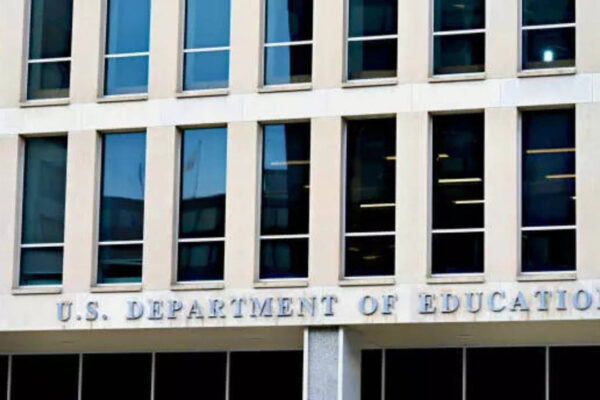
US Education Department pauses student loan collections to give borrowers a fresh start

US Education Department pauses student loan collections to give borrowers a fresh start

US Department of Education (Image credit: Getty images) The U.S. Department of Education has announced a temporary pause on involuntary student loan collections, including wage garnishments and federal offsets. This decision is part of the Department’s preparations to implement significant changes through the Working Families Tax Cuts Act, which is expected to simplify repayment and…

Read More
NEW DELHI: India has begun the process to make the leap from 5G to 6G, communication minister Jyotiraditya Scindia said on Thursday.”The process is being rolled out today with regard to global standards of technology, interoperability. That is being done at the International Telecommunications Union and 3GPP (3rd Generation Partnership Project), both standard-setting bodies for the world. We see the standards and the rollout happening only by 2030. So, we are still in ideation mode. But the difference is that India was nowhere on the table with regard to global standard setting for telecom on 3G or 4G. We made our first foray in 5G when we submitted a proposal for ubiquitous connectivity across the world,” he said.Israel Iran WarMiddle East conflict: One Indian dead, another injured by missile debris in Abu Dhabi‘Man who ran Strait of Hormuz’: Iran navy commander Alireza Tangsiri killed in Israeli strikeBab al-Mandeb: How the ‘Gate of Tears’ may emerge as Iran’s second choke point after HormuzThis time around, as far as 6G is concerned, “we are partners on that round table”, he said. “This is the first time in history of independent India that the country is on the standard-setting table for telecom tech that is being rolled out. We have set up Bharat 6G alliance in 2024, implementing the very early vision of PM Modi when even 5G had not fully rolled out in 2023 post Covid,” he added.The Bharat 6G alliance started with 14 members to start with and it has now grown to 85 members, he added.TNNEnd of ArticleFollow Us On Social MediaVideosLPG Vessel ‘Apollo Ocean’ Carrying 16,000 Tonnes Of Cargo Docks In KarnatakaUS Lawmaker Brandon Gill’s Chhat Puja Remark Sparks Outrage, Indian Diaspora Hits Back Strongly’Only PM Modi Can…’: Ex-US Army Col Ridicules Pak’s Mediation Push In Iran War, Pitches India‘Get Serious Before It’s Too Late’, Trump To Iran; Indian Govt Says ‘Have Enough Fuel For 2 Months’West Asia Conflict: PM Modi To Chair Key Meet With CMs To Review Preparedness, PlansIAF Seeks Ultra-Light High-Altitude Drones To Enhance Garud Commandos Capabilities | WatchHow Precision Rockets Are Changing Modern Warfare | Pinaka System Explained’India Is An Oasis Of Energy Security’: Govt Says No Fuel Shortage, Warns Against Misinformation’China And India Cannot Be Moved Apart’: Chinese Envoy’s BIG Message To Delhi, Urges Good TiesIndia-US Defence Partnership Enters New Phase With Focus On Co-Development And Technology Sharing123Photostories10 abandoned islands in the world no one dares to live on and the chilling reasons whyPM Narendra Modi loves Khichdi for regular meals: 5 traditional ways to add 20 gms more protein to the comfort mealFrom Jameel Jamali to Ram Prasad and Ravi Choudhary; Rakesh Bedi’s memorable roles in BollywoodDurandhar 2’s Rakesh Bedi aka Jameel Jamali’s 5 memorable shows: From Taarak Mehta Ka Ooltah Chashmah to Shrimaan ShrimatiWant puffed-up pooris every time? Chef Ranveer Brar reveals 2 simple tricks to follow5 versatile bikes that adapt to every terrain with precisionTired of Shimla-Manali? Try these offbeat hill stations instead this summer5 classic Chuck Norris movies to watch this weekend: From ‘Code of Silence’ to ‘Forest Warrior’From blobfish to blue-footed booby; 7 wild animals with seriously funny names!Popular beaches where venomous jellyfish are a known hazard — here’s when to avoid them123Hot PicksKaroline LeavitTristan da Cunha8th Pay CommissionGold rate todayIncome Tax CalculatorPublic holidays April 2026Bank Holidays AprilTop TrendingICE immigration courtsFIFA World Cup TrophyIndia-Bangladesh NewsIran war newsMLB Opening Day 2026US-Iran-War impactUS mortgage ratesNirav ModiUS citizenshipCOVID-19 fraud case

NEW DELHI: India has begun the process to make the leap from 5G to 6G, communication minister Jyotiraditya Scindia said on Thursday.”The process is being rolled out today with regard to global standards of technology, interoperability. That is being done at the International Telecommunications Union and 3GPP (3rd Generation Partnership Project), both standard-setting bodies for the world. We see the standards and the rollout happening only by 2030. So, we are still in ideation mode. But the difference is that India was nowhere on the table with regard to global standard setting for telecom on 3G or 4G. We made our first foray in 5G when we submitted a proposal for ubiquitous connectivity across the world,” he said.Israel Iran WarMiddle East conflict: One Indian dead, another injured by missile debris in Abu Dhabi‘Man who ran Strait of Hormuz’: Iran navy commander Alireza Tangsiri killed in Israeli strikeBab al-Mandeb: How the ‘Gate of Tears’ may emerge as Iran’s second choke point after HormuzThis time around, as far as 6G is concerned, “we are partners on that round table”, he said. “This is the first time in history of independent India that the country is on the standard-setting table for telecom tech that is being rolled out. We have set up Bharat 6G alliance in 2024, implementing the very early vision of PM Modi when even 5G had not fully rolled out in 2023 post Covid,” he added.The Bharat 6G alliance started with 14 members to start with and it has now grown to 85 members, he added.TNNEnd of ArticleFollow Us On Social MediaVideosLPG Vessel ‘Apollo Ocean’ Carrying 16,000 Tonnes Of Cargo Docks In KarnatakaUS Lawmaker Brandon Gill’s Chhat Puja Remark Sparks Outrage, Indian Diaspora Hits Back Strongly’Only PM Modi Can…’: Ex-US Army Col Ridicules Pak’s Mediation Push In Iran War, Pitches India‘Get Serious Before It’s Too Late’, Trump To Iran; Indian Govt Says ‘Have Enough Fuel For 2 Months’West Asia Conflict: PM Modi To Chair Key Meet With CMs To Review Preparedness, PlansIAF Seeks Ultra-Light High-Altitude Drones To Enhance Garud Commandos Capabilities | WatchHow Precision Rockets Are Changing Modern Warfare | Pinaka System Explained’India Is An Oasis Of Energy Security’: Govt Says No Fuel Shortage, Warns Against Misinformation’China And India Cannot Be Moved Apart’: Chinese Envoy’s BIG Message To Delhi, Urges Good TiesIndia-US Defence Partnership Enters New Phase With Focus On Co-Development And Technology Sharing123Photostories10 abandoned islands in the world no one dares to live on and the chilling reasons whyPM Narendra Modi loves Khichdi for regular meals: 5 traditional ways to add 20 gms more protein to the comfort mealFrom Jameel Jamali to Ram Prasad and Ravi Choudhary; Rakesh Bedi’s memorable roles in BollywoodDurandhar 2’s Rakesh Bedi aka Jameel Jamali’s 5 memorable shows: From Taarak Mehta Ka Ooltah Chashmah to Shrimaan ShrimatiWant puffed-up pooris every time? Chef Ranveer Brar reveals 2 simple tricks to follow5 versatile bikes that adapt to every terrain with precisionTired of Shimla-Manali? Try these offbeat hill stations instead this summer5 classic Chuck Norris movies to watch this weekend: From ‘Code of Silence’ to ‘Forest Warrior’From blobfish to blue-footed booby; 7 wild animals with seriously funny names!Popular beaches where venomous jellyfish are a known hazard — here’s when to avoid them123Hot PicksKaroline LeavitTristan da Cunha8th Pay CommissionGold rate todayIncome Tax CalculatorPublic holidays April 2026Bank Holidays AprilTop TrendingICE immigration courtsFIFA World Cup TrophyIndia-Bangladesh NewsIran war newsMLB Opening Day 2026US-Iran-War impactUS mortgage ratesNirav ModiUS citizenshipCOVID-19 fraud case

NEW DELHI: India has begun the process to make the leap from 5G to 6G, communication minister Jyotiraditya Scindia said on Thursday.“The process is being rolled out today with regard to global standards of technology, interoperability. That is being done at the International Telecommunications Union and 3GPP (3rd Generation Partnership Project), both standard-setting bodies for…

Read More
Assam HSLC 2026 toppers list: Jyotirmay Das tops exam; check details here

Assam HSLC 2026 toppers list: Jyotirmay Das tops exam; check details here

Vidya Bharati Students Excel in Assam HSLC 2026 Results GUWAHATI: Jyotirmay Das, a student of Sankardev Sishu Niketan, Patacharkuchi, secured the 1st rank in the Assam HSLC Examination 2026, bringing pride to Vidya Bharati family. Vidya Bharati-affiliated schools in Assam function through Shishu Shiksha Samiti, Assam, while in Barak Valley and Dima Hasao they are…

Read More
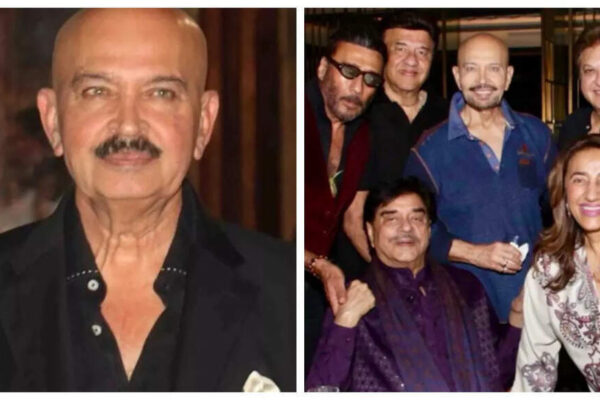
‘Memorable evening with bestest of friends’: Rakesh Roshan, Jackie Shroff, Shatrughan Sinha come together for Shashi Ranjan’s birthday |

‘Memorable evening with bestest of friends’: Rakesh Roshan, Jackie Shroff, Shatrughan Sinha come together for Shashi Ranjan’s birthday |

Rakesh Roshan recently shared a glimpse of a birthday bash for Shashi Ranjan, attended by friends Shatrughan Sinha, Jackie Shroff, and Anu Malik. Meanwhile, Rekha praised Roshan’s vision, highlighting his deep roots in Indian culture and his ability to portray the modern Indian woman as a ‘superwoman’ in his films. Actor-director Rakesh Roshan recenlty shared…

Read More
Sagittarius Horoscope Today, April 12, 2026: Let steady effort handle the pressure

Sagittarius Horoscope Today, April 12, 2026: Let steady effort handle the pressure

In a world where responsibilities stack up like a tower, today calls for relentless perseverance and calm resolve. Amid the chaos, a steady flame of determination ignites bold yet thoughtful choices. Couples thrive on mutual understanding, fostering a nurturing environment. Those in the dating scene should balance their schedules wisely. Singles may discover love sprouting…

Read More