
Over the past 12 years, the Modi government has backed the restoration and conservation of ancient temples. NEW DELHI: As Prime Minister Narendra Modi is set to visit the UNESCO-listed Prambanan Temple in Indonesia on Wednesday, the visit will signify a broader diplomatic approach that has increasingly placed India’s shared civilisational heritage at the centre of its engagement with Asia.Over the past 12 years, the Modi government has backed the restoration and conservation of ancient temples, archaeological sites and cultural landmarks across several countries, using heritage as a pillar of India’s soft power and regional diplomacy.From Southeast Asia to the Gulf, India has supported the preservation of monuments that reflect centuries-old cultural, religious and civilisational links. Many of these projects have been undertaken through grant assistance, archaeological cooperation and bilateral agreements, reinforcing ties with partner countries while safeguarding shared heritage.One of the earliest initiatives came in Vietnam, where India signed a Memorandum of Understanding in 2014 to restore the UNESCO-listed Mỹ Sơn Sanctuary. Once the spiritual centre of the ancient Champa Kingdom, the Shaivite temple complex is regarded as one of Southeast Asia’s most significant Hindu heritage sites. The Archaeological Survey of India led the conservation work under the bilateral agreement.In Myanmar, India signed an MoU in 2017 to restore monuments damaged by the 2016 earthquake in the UNESCO-listed Bagan Archaeological Zone. The restoration included 12 historic pagodas and the iconic Ananda Temple, one of Myanmar’s most revered Buddhist monuments.Following the devastating 2015 earthquake in Nepal, India launched one of its largest heritage conservation initiatives abroad. Under a US$50 million reconstruction package, restoration work was undertaken at 28 cultural heritage sites, including the historic Seto Machhindranath Temple and the Budhanilkantha Temple Dharamshala.India has also played a major role in conserving Cambodia’s Angkor heritage complex. From 2022 onwards, conservation work expanded across key monuments, including Ta Prohm, Angkor Wat and Preah Vihear, helping preserve one of the world’s greatest centres of Hindu civilisation outside India.In Laos, India completed restoration work at the UNESCO-listed Vat Phou Temple in 2024. The nearly 1,000-year-old Shiva temple remains one of the oldest surviving symbols of Sanatan civilisation in Southeast Asia.The Modi government also extended cultural cooperation to Bangladesh, where India assisted in rebuilding the historic Ramna Kali Temple in Dhaka, destroyed during Pakistan’s Operation Searchlight in 1971. The temple was inaugurated in 2021, marking the restoration of one of Bangladesh’s most significant Hindu shrines.India also financed the reconstruction of the nearly 300-year-old Joy Kali Mata Temple in Natore through grant assistance. Restoration support was further extended to the Anandomoyee Kali Mata Mandir and the Ramakrishna Temple, helping preserve important centres of Hindu faith in Bangladesh.In Sri Lanka, India signed an agreement in 2015 to restore the historic Thiruketheeswaram Temple, one of the island nation’s five ancient Pancha Ishwarams dedicated to Lord Shiva. The project was undertaken through grant assistance amounting to LKR 326 million.During his landmark visit to Bahrain in 2019, Prime Minister Modi inaugurated the redevelopment of the 200-year-old Shreenathji Temple in Manama. The US$4.2 million project preserved one of the Gulf region’s oldest Hindu temples and reflected India’s growing cultural engagement beyond South Asia.Prime Minister Modi’s visit to the Prambanan Temple in Indonesia now adds another chapter to this broader civilisational outreach. Although Prambanan itself was not restored by India, the visit highlights New Delhi’s growing emphasis on strengthening diplomatic ties through shared history, culture and heritage.Over the past decade, heritage conservation has emerged as an important dimension of India’s foreign policy, complementing strategic, economic and security partnerships. By restoring temples and historical monuments across Asia, India has sought to reinforce centuries-old civilisational links while deepening goodwill and cultural cooperation with partner countries.Get the latest India news and live updates. Download the TOI App.About the AuthorTOI News DeskThe TOI News Desk comprises a dedicated and tireless team of journalists who operate around the clock to deliver the most current and comprehensive news and updates to the readers of The Times of India worldwide. With an unwavering commitment to excellence in journalism, our team is at the forefront of gathering, verifying, and presenting breaking news, in-depth analysis, and insightful reports on a wide range of topics. The TOI News Desk is your trusted source for staying informed and connected to the ever-evolving global landscape, ensuring that our readers are equipped with the latest developments that matter most.”Read MoreEnd of ArticleFollow Us On Social MediaVideosWATCH: PM Modi Invokes ‘Kuch Kuch Hota Hai’; Indonesia President Admits He Has Indian DNAIndia Set To Supply Two BrahMos Missile Batteries Worth $200 Million To Indonesia: ReportThree Dead, Several Missing After Massive Landslide Near Kerala Tunnel Project SiteWhy Does Mumbai Flood Every Monsoon? The Real Reasons Explained’New Species Of Girgit’: Yogi Adityanath Slams SP, Congress Over Ram Temple Donation Theft CaseWho Was Jaswant Singh Khalra? The Story Behind Diljit Dosanjh’s SatlujThree Key Aides Of Union Minister Bhupender Yadav Relieved In Sudden Administrative MovePM Modi Announces IIM Bangalore’s First Overseas Campus In Indonesia’s Malang RegionSupreme Court Rejects DMK Plea Against Vijay Remarks In Karur Stampede InvestigationPM Modi’s Indonesia Visit : BrahMos, Astra Missiles, Critical Minerals And Big Outcomes123PhotostoriesTulsi vs Pudina: Health benefits of two herbs from the same plant familyGauri Spratt brings a Bohemian romance to Sabyasachi’s bridal lehenga at her wedding to Aamir KhanFrom recalling a 72-hour non-stop Kasautii Zindagii Kay shoot to being a strict mom to Palak: When Shweta Tiwari spoke about her journey5 powerful spiritual practices that can strengthen your soul from withinSobhita Dhulipala brings heritage weaves back into the traditional spotlight with this gorgeous Gadwal sareeDid you know your vitamin D3 could be coming from sheep’s wool? Doctor explains how it happens and why it matters5 rain-soaked destinations in India that are magical during the monsoon, and how to explore them safelyFrom SUVs to Hatchbacks: What your rental car choice says about your travel personalityHow to visit 3 countries in one trip: These unique places let travellers cross international borders on footFrom nostalgia to kitchen essentials: Foods NRIs often pack before leaving India123Hot PicksArgentina vs EgyptLionel Messi vs Mahamed SalahWayanad LandslideNovak DjokovicNavodaya RegistrationWhere to Watch FIFA World CupMohamed Salah and Magi Sadeq Net WorthQuote of the Day by Saddam HusseinMumbai-Pune expresswayTop TrendingIran-US WarMumbai FloodsBengal Rape CaseFIFA World Cup 2026CBSE Class 10 ResultRam temple donationMumbai rainKyle ShanahanMumbai Rain DeathKCET mock seat allotment

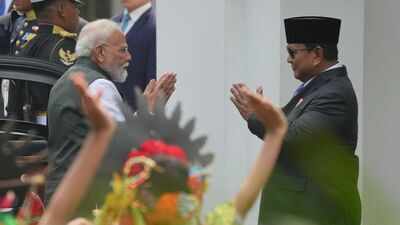
NEW DELHI: As Prime Minister Narendra Modi is set to visit the UNESCO-listed Prambanan Temple in Indonesia on Wednesday, the visit will signify a broader diplomatic approach that has increasingly placed India’s shared civilisational heritage at the centre of its engagement with Asia.Over the past 12 years, the Modi government has backed the restoration and conservation of ancient temples, archaeological sites and cultural landmarks across several countries, using heritage as a pillar of India’s soft power and regional diplomacy.From Southeast Asia to the Gulf, India has supported the preservation of monuments that reflect centuries-old cultural, religious and civilisational links. Many of these projects have been undertaken through grant assistance, archaeological cooperation and bilateral agreements, reinforcing ties with partner countries while safeguarding shared heritage.One of the earliest initiatives came in Vietnam, where India signed a Memorandum of Understanding in 2014 to restore the UNESCO-listed Mỹ Sơn Sanctuary. Once the spiritual centre of the ancient Champa Kingdom, the Shaivite temple complex is regarded as one of Southeast Asia’s most significant Hindu heritage sites. The Archaeological Survey of India led the conservation work under the bilateral agreement.In Myanmar, India signed an MoU in 2017 to restore monuments damaged by the 2016 earthquake in the UNESCO-listed Bagan Archaeological Zone. The restoration included 12 historic pagodas and the iconic Ananda Temple, one of Myanmar’s most revered Buddhist monuments.Following the devastating 2015 earthquake in Nepal, India launched one of its largest heritage conservation initiatives abroad. Under a US$50 million reconstruction package, restoration work was undertaken at 28 cultural heritage sites, including the historic Seto Machhindranath Temple and the Budhanilkantha Temple Dharamshala.India has also played a major role in conserving Cambodia’s Angkor heritage complex. From 2022 onwards, conservation work expanded across key monuments, including Ta Prohm, Angkor Wat and Preah Vihear, helping preserve one of the world’s greatest centres of Hindu civilisation outside India.In Laos, India completed restoration work at the UNESCO-listed Vat Phou Temple in 2024. The nearly 1,000-year-old Shiva temple remains one of the oldest surviving symbols of Sanatan civilisation in Southeast Asia.The Modi government also extended cultural cooperation to Bangladesh, where India assisted in rebuilding the historic Ramna Kali Temple in Dhaka, destroyed during Pakistan’s Operation Searchlight in 1971. The temple was inaugurated in 2021, marking the restoration of one of Bangladesh’s most significant Hindu shrines.India also financed the reconstruction of the nearly 300-year-old Joy Kali Mata Temple in Natore through grant assistance. Restoration support was further extended to the Anandomoyee Kali Mata Mandir and the Ramakrishna Temple, helping preserve important centres of Hindu faith in Bangladesh.In Sri Lanka, India signed an agreement in 2015 to restore the historic Thiruketheeswaram Temple, one of the island nation’s five ancient Pancha Ishwarams dedicated to Lord Shiva. The project was undertaken through grant assistance amounting to LKR 326 million.During his landmark visit to Bahrain in 2019, Prime Minister Modi inaugurated the redevelopment of the 200-year-old Shreenathji Temple in Manama. The US$4.2 million project preserved one of the Gulf region’s oldest Hindu temples and reflected India’s growing cultural engagement beyond South Asia.Prime Minister Modi’s visit to the Prambanan Temple in Indonesia now adds another chapter to this broader civilisational outreach. Although Prambanan itself was not restored by India, the visit highlights New Delhi’s growing emphasis on strengthening diplomatic ties through shared history, culture and heritage.Over the past decade, heritage conservation has emerged as an important dimension of India’s foreign policy, complementing strategic, economic and security partnerships. By restoring temples and historical monuments across Asia, India has sought to reinforce centuries-old civilisational links while deepening goodwill and cultural cooperation with partner countries.


