
Newborn kangaroos are born tiny, blind and embryo-like, but scientists say their arms develop early so they can crawl to the mother’s pouch and survive


Animals and their stories of existence have always surprised humans. From the way they are born to their skills of survival, all of these speak volumes on how the universe has created and empowered each being. A recent study sheds light on a similar creature of nature. Did you know that a newborn kangaroo is born in a surprisingly undeveloped state? Yes, you read it right! Scroll down tp understand the details.
What does the study say
Scientists have discovered that marsupial forelimbs (arms) develop much earlier before birth than previously thought, providing new insights into evolutionary innovation and biology. University of Melbourne lead author Dr. Axel Newton from the School of BioSciences said the research, published in Science Advances, highlights the remarkable biology of marsupials. In many species the joey is so tiny it is about the size of a jellybean, blind and hairless, more like an embryo than a fully formed mammal. Within minutes of birth it performs one of nature’s most amazing feats—climbing unaided from the birth canal to its mother’s pouch, where it latches onto a nipple and continues to develop for months.Scientists have now thrown new light on how marsupials make this amazing journey. Their research shows that while most of the newborn’s body is still immature, its forelimbs develop much earlier than the rest of the skeleton, giving the joey just enough strength and mobility to crawl into the pouch and survive.
Why marsupial babies are born prematurely
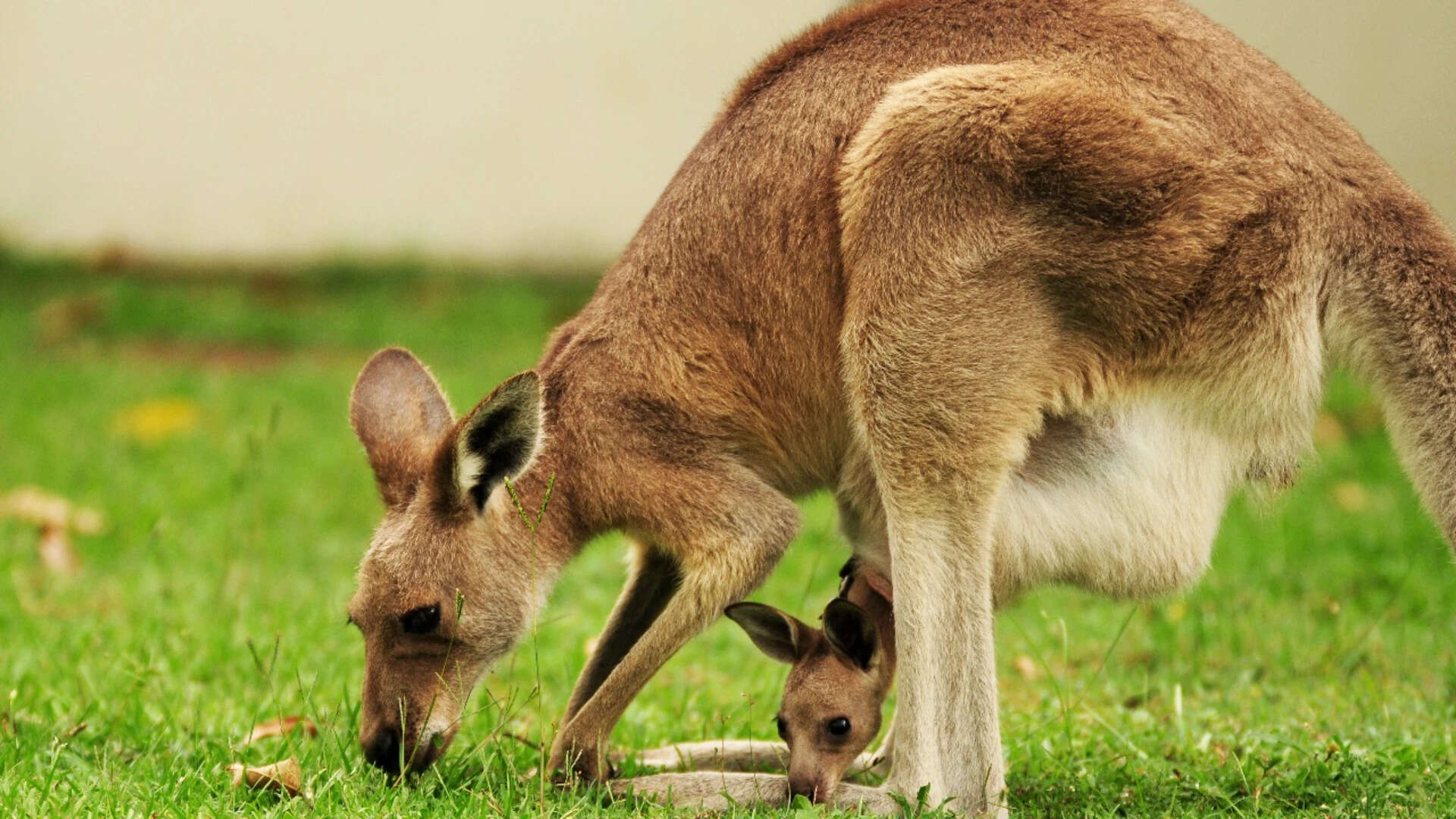
Forelimbs are critical for survival in marsupials; newborns are typically very small and underdeveloped but rely on strong, fully formed arms to crawl unaided to the teat immediately after birth. Marsupials, which include kangaroos, wallabies, koalas and wombats, are quite different from placental mammals such as humans. Marsupials give birth to their young after a short pregnancy, rather than gestating them for a long period. Therefore their young are born at the equivalent developmental stage as an early embryo of placental mammals.This peculiar reproductive strategy presents an immediate challenge to newborn marsupials. The trip to the pouch from the mother’s birth canal has to be made without parental assistance. It may be only a few centimetres but in relation to the tiny size of the newborn’s body this distance is enormous and can mean the difference between life and death.
What does the expert say
According to Newton, “We found that marsupial forelimbs rapidly develop over a four-day period, going from a flat, featureless bud to fully functional arms with claws, which completely challenges our current understanding of limb development in vertebrates. The early forelimbs appear before many major structures are formed, including somites and the neural tube, which are essentially the building blocks of the body.“
Early arms make all the difference

According to the research, evolution has provided a marsupial joey with a specialised solution. Their front limbs and shoulder structures start to develop long before the rest of the skeleton. The hind limbs, however, are relatively undeveloped at birth. It has been highlighted in the study that this developmental imbalance is not a defect, rather it allows the newborn to climb with its forelimbs while the rest of the body continues to mature inside the pouch. It has been found that this early development of the arms shows how evolution is prioritising the body parts that are needed for immediate survival.
The pouch is a kind of second womb
It is said that the pouch is like the second womb and the baby there for months, feeding continuously as its organs, brain, immune system and hind limbs develop slowly. It has been found that the long time they spend developing in the pouch lets marsupials do most of the growing placental mammals do before they are born, but lets them keep their young safe and well fed.
What the findings tell us about evolution
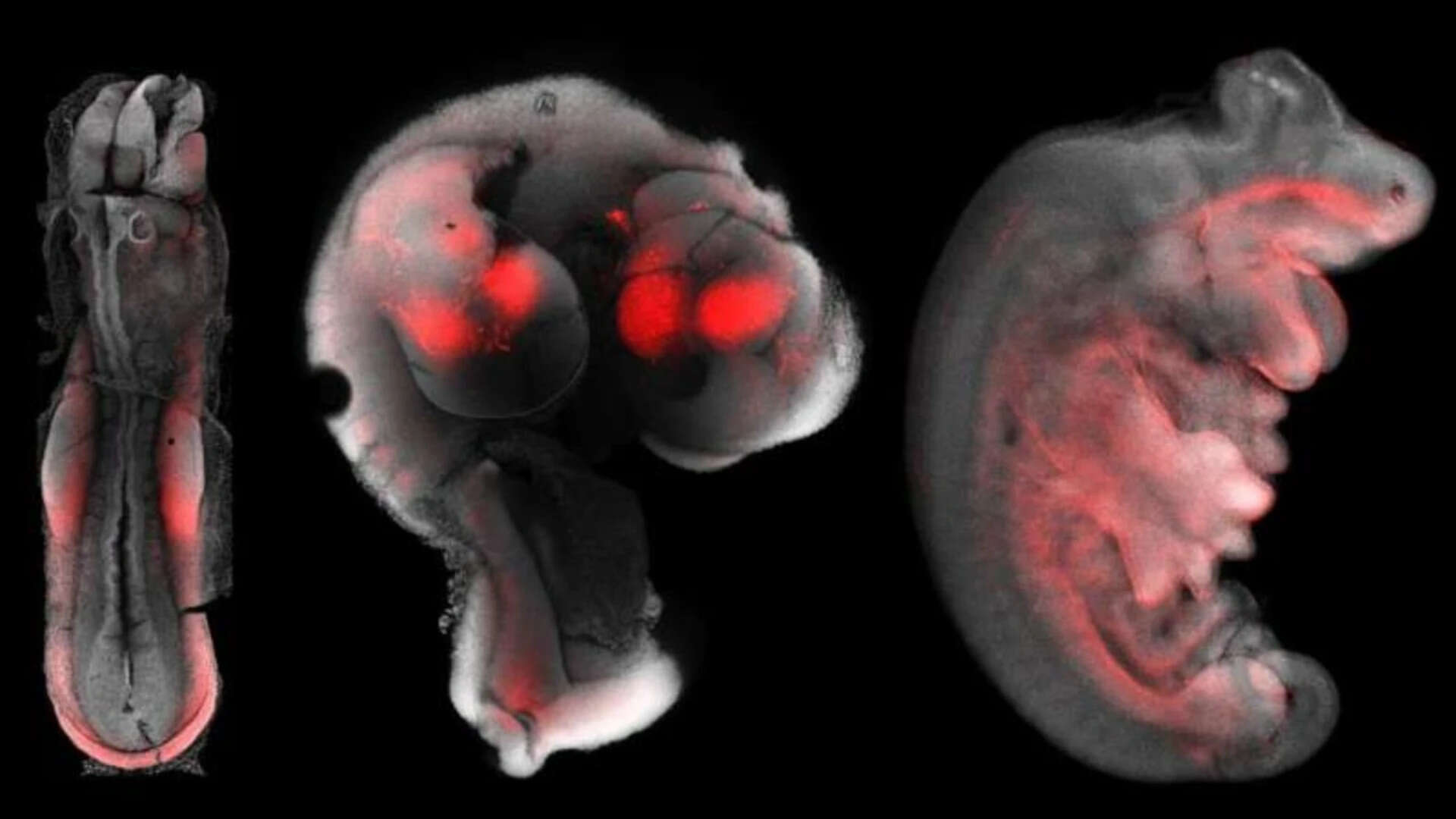
If we go by the results of the study, it sheds new light on the evolution of mammals. Scientists have long been puzzled about how this strange reproductive strategy evolved in marsupials and what developmental changes made it possible. This latest study suggests that shifts in the timing of limb development were critical, enabling marsupials to be born early without jeopardizing the survival of their young. Experts believe that these developmental differences may also help researchers compare how embryos form in different groups of mammals.Images Courtesy: istock


