
– NEW DELHI: With power demand likely to touch 265-270 gigawatts (GW) this year, Central Electricity Authority (CEA) chairman Ghanshyam Prasad said the system was “well-prepared” to meet the requirement and that it was now for distribution companies to ensure reliable supply to consumers.Talking to TOI, Prasad said the government was ready to meet the 270 GW demand in 2025 itself, but a good monsoon ensured that the requirement remained lower than the previous year, when it had touched 250 GW. He added that nearly 52 GW of additional capacity had already been added in the first 10 months of the 2025–26 financial year, while another 10 GW was likely to be commissioned in the remaining two months.While peak demand during the summer of 2025 reached 242.8 GW, it crossed 245 GW in Jan this year — the highest so far in the 2025–26 financial year.Prasad said discoms had been given resource adequacy plans and must not only tie up with generation companies to secure sufficient electricity but also invest in strengthening their distribution networks.“It is their responsibility to put in capital expenditure, strengthen their distribution network and make it N-1 compliant as far as possible so that they are able to supply power even if there is a contingency,” he said. He added that some private discoms in cities such as Ahmedabad, Mumbai and Delhi already have N-1 compliant networks at the 33 kV substation level, resulting in negligible outages.The CEA is also stepping up efforts to sensitise linemen in both the transmission and distribution segments about the use of proper safety gear while on duty. Calling them critical to maintaining reliable supply, Prasad said an event would be organised on ‘Lineman Diwas’ on March 7, where workers from across states will share best practices.At the same time, Prasad cautioned that ensuring zero outages requires significant investment in the distribution network, which inevitably has tariff implications. Citing the example of data centres that require uninterrupted, high-quality 24×7 power, he said such facilities are typically connected through two feeders. “Reliability always comes at a cost. If a residential pocket wants that kind of supply, it can petition the state electricity commission. I am sure the discom won’t be able to ignore it,” he said. He added, however, that most consumers prefer lower tariffs even if that means brief outages of 5–10 or even 30 minutes.Despite India being a power-surplus country, many urban pockets continue to face outages, largely because of local distribution faults.On the financial health of discoms, Prasad said the situation had begun to improve, crediting the Revamped Distribution Sector Scheme (RDSS), which mandates timely release of subsidy by state govts. He said this was among the reasons discoms posted a cumulative profit of Rs 2,700 crore for the first time. Installation of smart prepaid meters under RDSS is also aiding better and advance revenue collection while helping curb power theft. States such as Bihar and Assam, he said, have shown notable progress and set an example for others. Of the nearly 20 crore smart meters targeted under the scheme, over 5.2 crore have already been installed.About the AuthorAtul MathurAtul Mathur is a Senior Assistant Editor at The Times of India with over 27 years of experience in journalism. Based in Delhi, he has spent much of his career reporting on governance, public policy and politics, churning out researched, data-driven stories that impact daily lives. Atul is known for investigative depth and strong human-interest narratives as he strives to bring clarity and context to complex issues. He currently tracks the energy sector, writing on power, renewable energy, coal and mines.Read MoreEnd of ArticleFollow Us On Social MediaVideosUmmah Politics Erupts As Pakistan Targets Israel’s Hexagon Alliance Plan Naming India A Key AllyIndian Army Showcases Combat Power Near India-Pak BorderRare Husband-Wife Debate In Assembly: Mehtab Chandee Questions Meghalaya CM On Livestock Projects’Namaste’ In Japan: Young Indian Origin Boy Touches Yogi Adityanath Feet Recites Sacred ShlokasFrom Selfies To Shared Ride: PM Modi’s Day One In Israel Signals Strong Strategic Bond With IndiaFrom Accusations To Engagement: Canada Changes Tone On Indian Interference Before Carney Visit’Living In La La Land’: India Destroys Pakistan At UN, Says J&K’s Budget Is Double Of IMF BailoutDelhi And Himachal Police Face Off Over Arrest Of Protesting Youth Congress Workers At AI SummitRed Carpet Welcome For PM Modi In Israel, Congress Slams Visit Over Gaza ‘Genocide’ | Headlines@8Big Honour for India: PM Modi Becomes First to Receive Knesset Speaker’s Medal123PhotostoriesChef Sanjeev Kapoor rediscover’s childhood joy with traditional Holi dishesChennai’s 8-storey first musical supertree tower with light show to open soon5 yoga stretches to ease sitting-induced pain and release spinal tensionFrequent bloating isn’t always acidity: When to check your gut seriouslyBhojshala showdown: ASI flags temple remains, legal storm erupts in Madhya PradeshTop 6 real estate investment hotspots in Kolkata for 2026Rashmika Mandanna’s Kodava wedding saree look: Inside the royal Coorg bridal tradition and its signature draping style10 oldest universities in the world — and where they areChandra Grahan 2026 explained: Frequently asked questions about the March 3 eclipseYour heart is talking: 10 signs of an unhealthy heart you should not ignore123Hot PicksNew Indian Railways reformsSaudi poultry import banGold rate todayBihar wedding shootIncome Tax CalculatorPublic holidays February 2026Bank Holidays februaryTop TrendingThe RockJason KelceBrittany MahomesHow to get Iron Man Skin in FortniteBank Holidays in MarchIman Shumpert ExSaudi Arabia Poultry BansKamal Maula Mosque DisputeBhojshala Madhya PradeshSalman Agha Wife

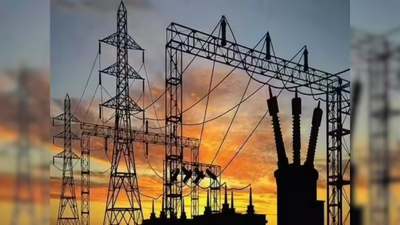
NEW DELHI: With power demand likely to touch 265-270 gigawatts (GW) this year, Central Electricity Authority (CEA) chairman Ghanshyam Prasad said the system was “well-prepared” to meet the requirement and that it was now for distribution companies to ensure reliable supply to consumers.Talking to TOI, Prasad said the government was ready to meet the 270 GW demand in 2025 itself, but a good monsoon ensured that the requirement remained lower than the previous year, when it had touched 250 GW. He added that nearly 52 GW of additional capacity had already been added in the first 10 months of the 2025–26 financial year, while another 10 GW was likely to be commissioned in the remaining two months.While peak demand during the summer of 2025 reached 242.8 GW, it crossed 245 GW in Jan this year — the highest so far in the 2025–26 financial year.Prasad said discoms had been given resource adequacy plans and must not only tie up with generation companies to secure sufficient electricity but also invest in strengthening their distribution networks.“It is their responsibility to put in capital expenditure, strengthen their distribution network and make it N-1 compliant as far as possible so that they are able to supply power even if there is a contingency,” he said. He added that some private discoms in cities such as Ahmedabad, Mumbai and Delhi already have N-1 compliant networks at the 33 kV substation level, resulting in negligible outages.The CEA is also stepping up efforts to sensitise linemen in both the transmission and distribution segments about the use of proper safety gear while on duty. Calling them critical to maintaining reliable supply, Prasad said an event would be organised on ‘Lineman Diwas’ on March 7, where workers from across states will share best practices.At the same time, Prasad cautioned that ensuring zero outages requires significant investment in the distribution network, which inevitably has tariff implications. Citing the example of data centres that require uninterrupted, high-quality 24×7 power, he said such facilities are typically connected through two feeders. “Reliability always comes at a cost. If a residential pocket wants that kind of supply, it can petition the state electricity commission. I am sure the discom won’t be able to ignore it,” he said. He added, however, that most consumers prefer lower tariffs even if that means brief outages of 5–10 or even 30 minutes.Despite India being a power-surplus country, many urban pockets continue to face outages, largely because of local distribution faults.On the financial health of discoms, Prasad said the situation had begun to improve, crediting the Revamped Distribution Sector Scheme (RDSS), which mandates timely release of subsidy by state govts. He said this was among the reasons discoms posted a cumulative profit of Rs 2,700 crore for the first time. Installation of smart prepaid meters under RDSS is also aiding better and advance revenue collection while helping curb power theft. States such as Bihar and Assam, he said, have shown notable progress and set an example for others. Of the nearly 20 crore smart meters targeted under the scheme, over 5.2 crore have already been installed.


