NEW DELHI: The United States on Saturday said that it was looking to meet India’s massive energy needs, days after US President Donald Trump signed the ‘Lindsey O Graham Sanctioning Russia and Iran Act of 2026’, which authorises him to impose tariffs of up to 100 per cent on countries buying Russian oil and gas.”We are looking to also become a huge source of India’s energy needs. We’re increasing our hydrocarbon exports,” a senior US state department official told news agency PTI.“The demands are great, and the needs for oil are there. We are looking for alternatives. But I would say before even the war, India had been looking to diversify when it came to energy for a long time. It’s not a new concept. We just need to expedite it faster,” he added.The US official also played down New Delhi’s warning over the contentious law and said that India’s response was expected after the US Congress took a pretty hard approach, especially publicly.“India has been looking for a long time to diversify its energy sources. They’re a country that has massive energy needs,” the official told PTI.“You had members of Congress calling out India in particular, so of course India has to respond. We understand that. They have a domestic constituency, as do we. Like, there are no sort of hard feelings on any of that kind of activity,” he added.Last week, the ministry of external affairs warned the US of the legislation’s potential impact on the US-India relationship.“This issue has been discussed at high levels in recent months with various US interlocutors. Its potential implications for not just the bilateral relationship but also the international energy market have been very clearly articulated by the Indian side,” the ministry said.The official said that the new act gave President Trump a new tool in his toolbox.“That doesn’t necessarily mean he deploys it tomorrow, but he has the opportunity to. His focus is on ending this war. It’s been something he campaigned on and something he’s been dedicated to from the beginning,” he said.Join conversationView All Comments →Share your thoughts in the commentsInsightfulAgreeDisagreeSkepticalConcerningPromisingWorth ReadingBig DevelopmentPost CommentBe respectful · TOI community guidelines“We’re looking for our friends, especially like India, to help support that effort. But I think you’ll have to stay tuned on how the bill gets implemented. But there is a broad national security waiver, so you can imagine also the president, there’s a scenario, the president uses that as well,” he added.”Now, with President Trump’s incredibly successful operation in Venezuela, we are moving into a better position that countries like India are going to be able to get access to that market,” he added.Last week, US President Donald Trump signed into law the ‘Lindsey O. Graham Sanctioning Russia and Iran Act of 2026′, which authorises him to impose tariffs of up to 100 per cent on countries buying Russian oil and gas, including China and India.The law is named after late Senator Lindsey Graham, who had proposed a sanctions bill imposing 500 per cent tariffs on countries for buying Russian oil.Get the latest India News and Live updates. Download the TOI app.About the AuthorRohitashwa RanjanRohitashwa Ranjan is a digital journalist with The Times of India, where he decodes Indian politics as a carefully staged production with scripts, subtext and everything behind. His stories track elections, party dynamics and the things that often are buried beneath the headlines. When not parsing vote shares or alliances, he is usually reading between the lines, where the real story tends to reside.Read MoreEnd of ArticleFollow Us On Social MediaVideos‘A Terrorist Country Asking Me That Question’: Jaishankar’s Sharp Reply To Pak Journalist At UN’SIR’ Under Fire? IIT-Bombay, Election Commission Face Accountability Questions | PrasangMassive Protest Erupts At Delhi’s Jantar Mantar Against Gyanesh Kumar Over EC-SIR RowUAPA ‘Missing’: What Allowed VanDyke, 6 Ukrainians To Leave India? The Legal Gap Explained‘Made In UP’ Missiles Giving Pakistan Sleepless Nights: Amit Shah On BrahMosOmar Abdullah Moves Full Statehood Resolution In J&K Assembly, BJP Protest Sparks House UproarThird Bihar Harassment Case In A Week: Minor Girl Targeted In Banka, Video Surfaces’You Cannot Keep Playing’: CJP’s Dipke Challenges Opposition Over Alleged Election Rigging“Terror, Theatrics Won’t Repay Loans”: India Hits Back At Pakistan At UNHRCBJP’s ₹529 Crore Poll Spending Revealed; Bengal Alone Accounted For ₹287 Crore, EC Data Shows123Hot PicksMandeep K BhandariBank strikeNEET PG ResultGold Rate TodayOctober 2026 School HolidaysTN programmePunjab school holidayMadurantakam bypollDr MonishCBSE Date SheetTop TrendingNorma DumontRahul GandhiPowerball JackpotDelhi Hit and RunUP EncounterDonald TrumpPM ModiNaomi OsakaJoe ThomasSupreme Court

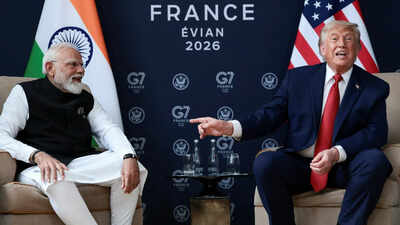
NEW DELHI: The United States on Saturday said that it was looking to meet India’s massive energy needs, days after US President Donald Trump signed the ‘Lindsey O Graham Sanctioning Russia and Iran Act of 2026’, which authorises him to impose tariffs of up to 100 per cent on countries buying Russian oil and gas.“We are looking to also become a huge source of India’s energy needs. We’re increasing our hydrocarbon exports,” a senior US state department official told news agency PTI.“The demands are great, and the needs for oil are there. We are looking for alternatives. But I would say before even the war, India had been looking to diversify when it came to energy for a long time. It’s not a new concept. We just need to expedite it faster,” he added.The US official also played down New Delhi’s warning over the contentious law and said that India’s response was expected after the US Congress took a pretty hard approach, especially publicly.“India has been looking for a long time to diversify its energy sources. They’re a country that has massive energy needs,” the official told PTI.“You had members of Congress calling out India in particular, so of course India has to respond. We understand that. They have a domestic constituency, as do we. Like, there are no sort of hard feelings on any of that kind of activity,” he added.Last week, the ministry of external affairs warned the US of the legislation’s potential impact on the US-India relationship.“This issue has been discussed at high levels in recent months with various US interlocutors. Its potential implications for not just the bilateral relationship but also the international energy market have been very clearly articulated by the Indian side,” the ministry said.The official said that the new act gave President Trump a new tool in his toolbox.“That doesn’t necessarily mean he deploys it tomorrow, but he has the opportunity to. His focus is on ending this war. It’s been something he campaigned on and something he’s been dedicated to from the beginning,” he said.
Share your thoughts in the comments
Be respectful · TOI community guidelines
“We’re looking for our friends, especially like India, to help support that effort. But I think you’ll have to stay tuned on how the bill gets implemented. But there is a broad national security waiver, so you can imagine also the president, there’s a scenario, the president uses that as well,” he added.“Now, with President Trump’s incredibly successful operation in Venezuela, we are moving into a better position that countries like India are going to be able to get access to that market,” he added.Last week, US President Donald Trump signed into law the ‘Lindsey O. Graham Sanctioning Russia and Iran Act of 2026’, which authorises him to impose tariffs of up to 100 per cent on countries buying Russian oil and gas, including China and India.The law is named after late Senator Lindsey Graham, who had proposed a sanctions bill imposing 500 per cent tariffs on countries for buying Russian oil.


