
NEW DELHI: The Supreme Court on Tuesday issued stern warning to WhatsApp and its parent company Meta Platforms against sharing users’ private data for targeted advertising, warning that citizens’ right to privacy could not be compromised for the business interests of a multinational corporation. A three-judge bench led by Chief Justice Surya Kant said it would pass detailed orders on the issue on February 10.“We cannot allow citizens’ privacy to be compromised for business interest of a MNC,” the Chief Justice said, as the court indicated it could ban such data sharing if safeguards were not ensured.The observations came while the court was hearing appeals filed by Meta and WhatsApp against a National Company Law Appellate Tribunal order that upheld a Rs 213 crore penalty imposed by the Competition Commission of India for abuse of dominance in the OTT messaging market.Making its position clear, the bench said user data could not be shared under the guise of consent or opt-out mechanisms. “We will not allow you to share even a single information, you cannot play with the rights of this country,” the Chief Justice said, adding, “you cannot violate the right of privacy of citizens.”Senior advocate Mukul Rohatgi, appearing for Meta and WhatsApp, told the court that three appeals were before it, two by Meta and WhatsApp and one by the CCI. Counsel also informed the bench that the penalty amount had been deposited in full, subject to the outcome of the appeals, and that the CCI had not challenged the January 25 order.The court directed that the appeals be listed for final hearing before a three-judge bench, with counters to be filed within four weeks. It also ordered that the penalty deposited by Meta should not be withdrawn until further directions.Questioning the nature of consent claimed by WhatsApp, the Chief Justice said, “what is the choice? the choice is that even if you walk out of the Whatsapp facility we will share your data?” He added, “either you give an undertaking… we will not allow you to share a single word of the data.”The bench remained unconvinced by arguments that users had an opt-out option. “The right to privacy so zealously guarded in this country, and the kind of language you use, so cleverly crafted, even the street vendor will not understand,” the Chief Justice said. “Where is the question of opt-out? people do not understand that complication.”Calling the data-sharing framework unacceptable, the Chief Justice remarked, “this is decent way of committing theft of the private information, we will not allow you to do that.”Justice J Bagchi also raised concerns over whether users were meaningfully informed. “Who reads newspaper ads?” he asked, pointing out that platforms frequently send in-app messages but rely on newspaper notices when it comes to opt-out choices. He said the court would examine the value of the data being shared and how user behaviour was being monetised.The Solicitor General told the court that the choice offered to users was effectively “take it or leave it.” The bench also flagged concerns about vulnerable users, with the Chief Justice referring to people in remote areas and describing many as “silent consumers” who are “completely unaware of the system.”Reiterating the broader principle, the Chief Justice said, “any commercial venture cannot be at the costs of the rights of the people of this country.”(With inputs from Live Law)About the AuthorTOI News DeskThe TOI News Desk comprises a dedicated and tireless team of journalists who operate around the clock to deliver the most current and comprehensive news and updates to the readers of The Times of India worldwide. With an unwavering commitment to excellence in journalism, our team is at the forefront of gathering, verifying, and presenting breaking news, in-depth analysis, and insightful reports on a wide range of topics. The TOI News Desk is your trusted source for staying informed and connected to the ever-evolving global landscape, ensuring that our readers are equipped with the latest developments that matter most.”Read MoreEnd of ArticleFollow Us On Social MediaVideosIndia-US Trade Deal: Ex-US Trade Rep Mark Linscott Hails Pact Linking World’s Top Economies500% Tariff Threat To Forced Praise: Lindsey Graham Reveals Who Blinked First In India Trade DealDid India-EU FTA Shook Up US? Trump’s Surprise Trade Reset With India Only After Mother Of All DealsLower Tariffs, Bigger Claims, And Russian Oil Pressure: Inside The New India-US Trade Agreement“India Kept Calm Under US Pressure” CSIS Expert Rossow On Trade Pact“Deal Is A Key Priority For Both Sides” Us Expert Lauds India-Us Trade PactTrump Announces India-US Trade Deal, Reduces Reciprocal Tariffs On Delhi To 18%; PM Modi ReactsAir India Grounds Dreamliner After Pilot Flags Fuel Control Switch Issue in London-Bengaluru Flight’Nonsense, Lies’: BJP Blasts Rahul Gandhi For Citing Ex-Army Chief Naravane’s Memoir, Oppn Hits BackChina Slams Dalai Lama’s Grammy Win, Calls It Political Manipulation Warns Against Anti-China Moves123PhotostoriesHow to handle fake friends at work: Spot them, protect yourself, and growThe BTS story: Know all about this K-pop boy band’s early days, big triumphs, and roadblocksHow to make Bread Upma for breakfast at homeWhy one should not bring home Gangajal from KashiHidden costs of buying a home that buyers often ignoreBaby names inspired by Lord Hanuman’s strength8 viral cabbage recipes and why we consider them the best7 scandalous royal divorces in history from across the world6 plants that change colour with seasons or sunlight8 baby boy names that are inspired by successful celebrities123Hot PicksBudget 2026Gold Silver PricesCigarette Prices HikeIndia US TradeIncome Tax CalculatorPublic holidays February 2026Bank Holidays februaryTop TrendingSuper Bowl HalftimeMLB Trade RumorsGeorge SpringerTom BradyTampa Bay LightningNHL Trade RumorsTop YouTube ChannelsRyan ClarkQuinn HughesJoel Embiid
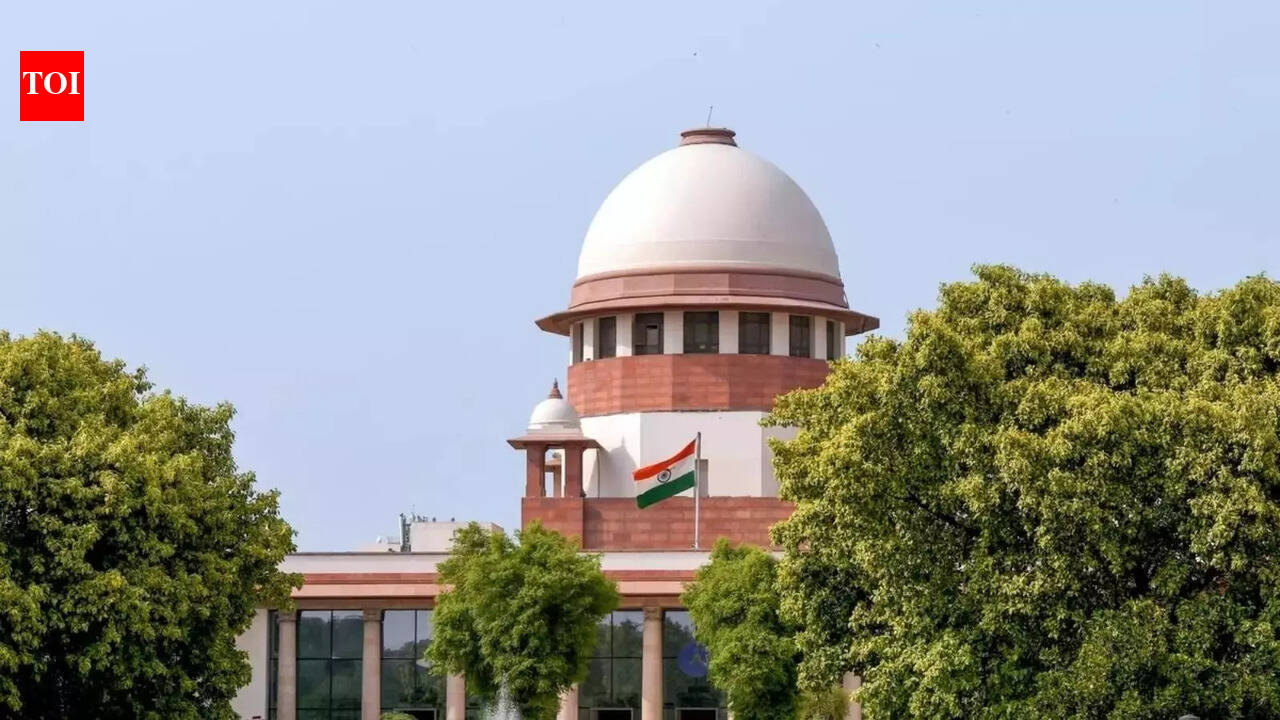

NEW DELHI: The Supreme Court on Tuesday issued stern warning to WhatsApp and its parent company Meta Platforms against sharing users’ private data for targeted advertising, warning that citizens’ right to privacy could not be compromised for the business interests of a multinational corporation. A three-judge bench led by Chief Justice Surya Kant said it would pass detailed orders on the issue on February 10.“We cannot allow citizens’ privacy to be compromised for business interest of a MNC,” the Chief Justice said, as the court indicated it could ban such data sharing if safeguards were not ensured.The observations came while the court was hearing appeals filed by Meta and WhatsApp against a National Company Law Appellate Tribunal order that upheld a Rs 213 crore penalty imposed by the Competition Commission of India for abuse of dominance in the OTT messaging market.Making its position clear, the bench said user data could not be shared under the guise of consent or opt-out mechanisms. “We will not allow you to share even a single information, you cannot play with the rights of this country,” the Chief Justice said, adding, “you cannot violate the right of privacy of citizens.”Senior advocate Mukul Rohatgi, appearing for Meta and WhatsApp, told the court that three appeals were before it, two by Meta and WhatsApp and one by the CCI. Counsel also informed the bench that the penalty amount had been deposited in full, subject to the outcome of the appeals, and that the CCI had not challenged the January 25 order.The court directed that the appeals be listed for final hearing before a three-judge bench, with counters to be filed within four weeks. It also ordered that the penalty deposited by Meta should not be withdrawn until further directions.Questioning the nature of consent claimed by WhatsApp, the Chief Justice said, “what is the choice? the choice is that even if you walk out of the Whatsapp facility we will share your data?” He added, “either you give an undertaking… we will not allow you to share a single word of the data.”The bench remained unconvinced by arguments that users had an opt-out option. “The right to privacy so zealously guarded in this country, and the kind of language you use, so cleverly crafted, even the street vendor will not understand,” the Chief Justice said. “Where is the question of opt-out? people do not understand that complication.”Calling the data-sharing framework unacceptable, the Chief Justice remarked, “this is decent way of committing theft of the private information, we will not allow you to do that.”Justice J Bagchi also raised concerns over whether users were meaningfully informed. “Who reads newspaper ads?” he asked, pointing out that platforms frequently send in-app messages but rely on newspaper notices when it comes to opt-out choices. He said the court would examine the value of the data being shared and how user behaviour was being monetised.The Solicitor General told the court that the choice offered to users was effectively “take it or leave it.” The bench also flagged concerns about vulnerable users, with the Chief Justice referring to people in remote areas and describing many as “silent consumers” who are “completely unaware of the system.”Reiterating the broader principle, the Chief Justice said, “any commercial venture cannot be at the costs of the rights of the people of this country.”(With inputs from Live Law)


