
. New Delhi: The amended atomic energy bill was tabled in LS Monday, paving way for a huge policy shift in India’s atomic sector that is expected to accelerate civil nuclear energy production by opening doors for private players. The sector has till now been the preserve of govt enterprises.Sustainable Harnessing and Advancement of Nuclear Energy for Transforming India (SHANTI) Bill, 2025, introduced by MoS for department of atomic energy Jitendra Singh in the House, seeks to repeal Atomic Energy Act, 1962, and Civil Liability for Nuclear Damage Act (CLNDA), 2010. It provides for “a pragmatic civil liability regime for nuclear damage and to confer statutory status to Atomic Energy Regulatory Board”, Singh said.The new legislation seeks to support large-scale expansion of nuclear energy and radiation applications across power & non-power sectors. It is central to India’s goal of achieving 100GW of nuclear power capacity by 2047. It proposes a new legal framework that includes modern safety regulations, a dedicated nuclear tribunal for dispute resolution, and reforms to the nuclear liability regime to cap risks & attract investment.While private companies and their joint ventures will be allowed to apply for licences to set up and operate nuclear facilities & transport nuclear fuel, critical functions such as uranium enrichment, spent fuel management and heavy water production will remain under the exclusive control of Centre. Govt will retain control over radioactive substances and radiation-generating equipment to address safety hazards.Singh said the bill was aligned with the goal of increasing the share of nuclear energy in India’s overall energy mix, facilitating innovation in nuclear science and technology, &expanding its use in non-power applications, such as healthcare, food, water, agriculture, industry, environment, research and innovation, and emerging areas such as AI, while continuing to honour India’s obligations on safety, security, safeguards & nuclear liability.The amendments are designed to finally implement the stalled Indo-US nuclear agreement, which has led to little progress beyond fuel imports due to liability issues, and enable US reactor construction in India.About the AuthorAtul MathurAtul Mathur, Deputy Metro Editor (Senior Assistant Editor), at The Times of India, has over 26 years of experience in journalism. Based in Delhi, he has extensively reported on governance, policy and politics, offering readers deeply researched, data-driven insights into the workings of the capital. Known for his in-depth investigative reporting and compelling human-interest narratives, Atul brings clarity and context to complex urban and civic issues.Read MoreEnd of ArticleFollow Us On Social MediaVideosIndian Army Displays Turkish Yiiha Drone Used By Pakistan During Operation SindoorPM Modi Arrives In Jordan, Receives Warm Welcome By Indian Diaspora In AmmanUS Starts Mandatory Social Media Checks For H-1B Visas Leaving Indian Professionals Most ExposedBJP’s Succession Script Repeats: Why Nitin Nabin Is Working President, And Not Nadda’s ReplacementEnd Of MGNREGA? What VB–G Ram G Means For Rural Workers, Farmers And Viksit Bharat PlanFrom Missiles To Torpedoes, DRDO Outlines India’s Big Defence Push For Near-Term Battlefield EdgePM Modi Begins Jordan, Ethiopia, Oman Tour To Boost Ancient Ties, Expand India’s Global South RoleIndian Diaspora Members Prepare Cultural Performances Ahead Of PM Modi’s Jordan VisitFrom Power Cuts To 500 GW Grid, India Emerges As Global Data Centre Hub Under Modi: Piyush GoyalCong’s ‘Modi Teri Kabr Khudegi’ Slogan Sparks Uproar, NDA Seeks Apology As Parliament Grinds To Halt123PhotostoriesFrom Chimpanzees to Rats: 5 animals who are smarter than you think!TV actors who married young: From Karanvir Bohra to Vivian DsenaLongest running Hindi TV shows: Taarak Mehta Kaa Ooltah Chasmah’ to ‘Balika Vadhu’Dear Comrade, Pelli Choopulu and Arjun Reddy; Breakthrough performances that redefined the Telugu lover boyDhurandhar, Chhaava, Mom; Challenging roles played by Akshaye Khanna5 adorable pink animals stealing the wildlife spotlight5 beautiful Romeo and Juliet quotes that will steal your hearts‘Damini’, ‘OMG! Oh My God’, ‘Prem Rog’: Bollywood movies that sparked social change and redefined mainstream storytelling5 pet fish that change colour and why it happens6 Traditional egg curries from different parts of the country123Hot PicksBondi beach attackCorona RemediesJetBlue flight VenezuelaGold rate todaySilver rate todayPublic Holidays NovemberBank Holidays NovemberTop TrendingJosh AllenAuston MatthewsVanessa BryantLeBron JamesBukayo Saka and Tolami Benson Net WorthConnor McDavidTomi LahrenAdolis GarciaDeante Ayton MomBrock McGillis
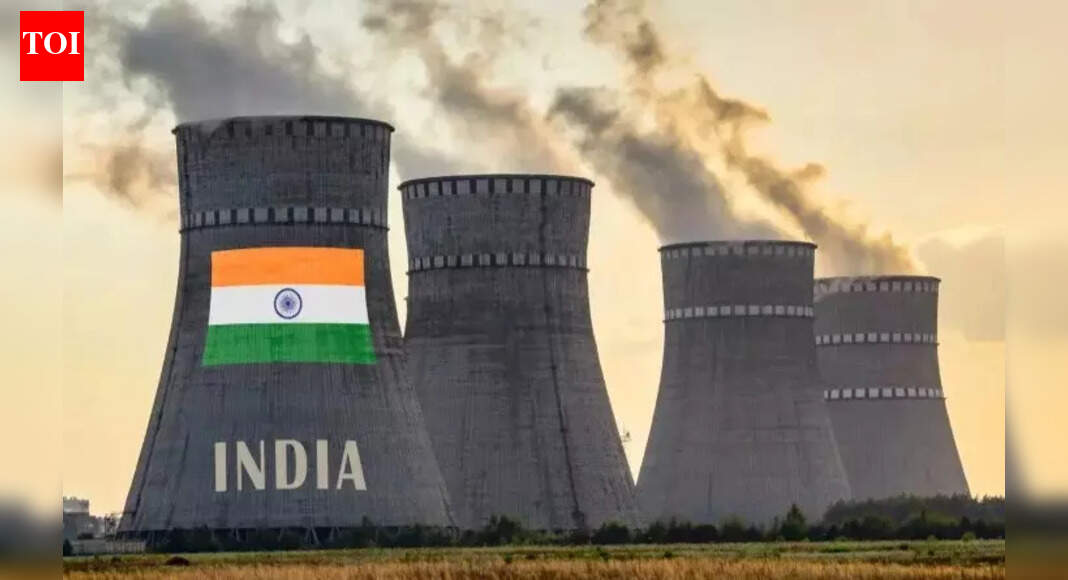
New Delhi: The amended atomic energy bill was tabled in LS Monday, paving way for a huge policy shift in India’s atomic sector that is expected to accelerate civil nuclear energy production by opening doors for private players. The sector has till now been the preserve of govt enterprises.Sustainable Harnessing and Advancement of Nuclear Energy for Transforming India (SHANTI) Bill, 2025, introduced by MoS for department of atomic energy Jitendra Singh in the House, seeks to repeal Atomic Energy Act, 1962, and Civil Liability for Nuclear Damage Act (CLNDA), 2010. It provides for “a pragmatic civil liability regime for nuclear damage and to confer statutory status to Atomic Energy Regulatory Board”, Singh said.The new legislation seeks to support large-scale expansion of nuclear energy and radiation applications across power & non-power sectors. It is central to India’s goal of achieving 100GW of nuclear power capacity by 2047. It proposes a new legal framework that includes modern safety regulations, a dedicated nuclear tribunal for dispute resolution, and reforms to the nuclear liability regime to cap risks & attract investment.While private companies and their joint ventures will be allowed to apply for licences to set up and operate nuclear facilities & transport nuclear fuel, critical functions such as uranium enrichment, spent fuel management and heavy water production will remain under the exclusive control of Centre. Govt will retain control over radioactive substances and radiation-generating equipment to address safety hazards.Singh said the bill was aligned with the goal of increasing the share of nuclear energy in India’s overall energy mix, facilitating innovation in nuclear science and technology, &expanding its use in non-power applications, such as healthcare, food, water, agriculture, industry, environment, research and innovation, and emerging areas such as AI, while continuing to honour India’s obligations on safety, security, safeguards & nuclear liability.The amendments are designed to finally implement the stalled Indo-US nuclear agreement, which has led to little progress beyond fuel imports due to liability issues, and enable US reactor construction in India.


