
New Delhi: The absence of anaemia estimates from the newly released National Family Health Survey (NFHS)-6 Fact Sheets has sparked questions among public health experts, with the government saying the indicator was excluded because of concerns over the blood-testing method used in previous survey rounds.Health Ministry officials said haemoglobin testing was not carried out in NFHS-6 due to concerns about the capillary blood sampling method used earlier. Instead, anaemia estimates will come from the Indian Council of Medical Research’s Diet and Biomarkers Survey, which uses venous blood samples and is expected to provide more accurate results.The clarification comes amid debate over the absence of several indicators from the NFHS-6 Fact Sheets, which cover 101 key health, nutrition and demographic measures.Officials stressed that the Fact Sheets are only the first stage of data dissemination and not the final NFHS-6 report. A detailed National Report, to be released later, will contain additional indicators, analyses and methodological details.The ministry also rejected suggestions that key indicators had been dropped. According to officials, some data are now being generated through specialised surveys and administrative systems. For example, sanitation and clean cooking fuel coverage are tracked through dedicated surveys, while mortality and birth registration statistics continue to come from systems such as the Sample Registration System and Civil Registration System.At the same time, NFHS-6 has added new indicators, including population composition, elderly population share, financial inclusion, antenatal care utilisation, vaccination coverage, severe diarrhoeal disease prevalence and expanded breastfeeding measures.Officials said detailed family planning indicators, selected child health interventions, women’s health measures and HIV-related findings will be included in the full National Report.”The Fact Sheets are the first stage of dissemination. The detailed National Report will provide a much broader picture,” a senior Health Ministry official said.The ministry maintained that NFHS remains India’s largest household health survey and continues to be a key source of evidence for health policy and planning.About the AuthorAnuja JaiswalAnuja Jaiswal is a Senior Assistant Editor at The Times of India, with an impressive 18-year career in narrative journalism. She specializes in health and heritage reporting, expertly simplifying complex health information to make it engaging and understandable for readers. Her deep dives into heritage topics are well-researched, resulting in captivating narratives that resonate with her audience. Over the years, she has worked in Chandigarh, Chhattisgarh and West UP, gaining diverse on-ground experience that shapes her storytelling.Read MoreEnd of ArticleFollow Us On Social MediaVideosIndia, Indonesia Deepen Strategic Partnership At High-Level Talks In New DelhiFire Breaks Out In Delhi’s New Friends Colony,8 Rescued As Firefighters Battle Smoke-Filled BuildingTMC Faces Fresh Crisis As Mamata Heads To Delhi Amid Reports Of Possible MP RebellionIndia-Bangladesh Border Tension Eases As BSF Says Stranded Bangladeshi Nationals Returned’Ghost Demolition’ In Surat: More Than 100 Homes Razed, Civic Body Denies Ordering ActionCockroach Janta Party Escalates Protest, Gives 7-Day Ultimatum Over Dharmendra Pradhan DemandWest Bengal Launches Statewide Madrasa Survey, Seeks Data On Legal Status, Infrastructure And Staff‘Why Congress Tied India’s Fate To Dollar?’: Nishikant Dubey Attacks CongressAdvisories Circulated Among Muslim Youth To ‘Stay Away’ From CJP’s Jantar Mantar ProtestStalin Claims TVK Government Survives On Former DMK Allies’ Support, Vows Political Comeback123PhotostoriesOrdering at a restaurant, helping with directions, and more: 7 simple ways to build a child’s confidence5 beautiful flowering creepers that double up as living curtainsCancer before 50? Why doctors are concerned about the rise in early-onset cases10 must- try local dishes in UdaipurFrom Athirappilly to Palaruvi; 8 spectacular waterfalls to visit in Kerala this summerRice water for hair growth: The Korean beauty hack everyone talks about, but what does science actually say?Inside Avneet Kaur’s stunning Mumbai home: white-gold interiors, a dream walk-in wardrobe, and more7 Fascinating facts about the honey badger10 ways to enjoy watermelon during summer seasonThis is one of the cheapest countries to visit from India; budget, how to reach, best time to travel and more123Hot PicksSuryakumar YadavYusuf PathanKerala Student HospitalisedIran AttackKhan SirAnnamalaiKaru Nagarajan ResignRoger GoodellAIADMKTop TrendingCJP ProtestKarnataka Constable RecruitmentTS Inter Supplementary ResultsIndia vs Afghanistan ScoreAnnamalai BJP exitE85 FuelDelhi hotel fireKhan sir coaching fireDelhi Plice HCM Result 2026Pawan Kalyan

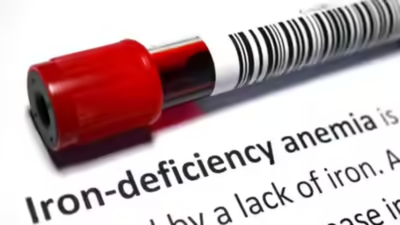
New Delhi: The absence of anaemia estimates from the newly released National Family Health Survey (NFHS)-6 Fact Sheets has sparked questions among public health experts, with the government saying the indicator was excluded because of concerns over the blood-testing method used in previous survey rounds.Health Ministry officials said haemoglobin testing was not carried out in NFHS-6 due to concerns about the capillary blood sampling method used earlier. Instead, anaemia estimates will come from the Indian Council of Medical Research’s Diet and Biomarkers Survey, which uses venous blood samples and is expected to provide more accurate results.The clarification comes amid debate over the absence of several indicators from the NFHS-6 Fact Sheets, which cover 101 key health, nutrition and demographic measures.Officials stressed that the Fact Sheets are only the first stage of data dissemination and not the final NFHS-6 report. A detailed National Report, to be released later, will contain additional indicators, analyses and methodological details.The ministry also rejected suggestions that key indicators had been dropped. According to officials, some data are now being generated through specialised surveys and administrative systems. For example, sanitation and clean cooking fuel coverage are tracked through dedicated surveys, while mortality and birth registration statistics continue to come from systems such as the Sample Registration System and Civil Registration System.At the same time, NFHS-6 has added new indicators, including population composition, elderly population share, financial inclusion, antenatal care utilisation, vaccination coverage, severe diarrhoeal disease prevalence and expanded breastfeeding measures.Officials said detailed family planning indicators, selected child health interventions, women’s health measures and HIV-related findings will be included in the full National Report.“The Fact Sheets are the first stage of dissemination. The detailed National Report will provide a much broader picture,” a senior Health Ministry official said.The ministry maintained that NFHS remains India’s largest household health survey and continues to be a key source of evidence for health policy and planning.


