
New Delhi: PM Narendra Modi met NSAs and senior security officials from BRICS nations on Tuesday, highlighting the group’s enhanced role in tackling today’s global security challenges.During the interaction, PM Modi said BRICS is a key platform for strengthening security cooperation at a time of rapid global change. He called on member nations — Brazil, China, Egypt, Ethiopia, India, Indonesia, Iran, Russia, Saudi Arabia, South Africa and the UAE — to boost collaboration and tackle shared vulnerabilities. In a post on X, the PM reiterated India’s commitment to its chairmanship agenda, which focuses on “Building for Resilience, Innovation, Cooperation and Sustainability”.“In a changing global landscape, BRICS has a vital role in deepening security cooperation and addressing shared challenges, from terrorism and cybersecurity to emerging technologies. India’s chairmanship will seek to advance practical cooperation, support the priorities of the Global South and contribute to a safer, more secure and inclusive world,” Modi posted.In his televised opening remarks at BRICS NSAs’ meeting, NSA Ajit Doval, speaking about the impact of “geopolitical uncertainties and economic strains”, underlined the need for the grouping to play a more significant role in addressing the challenges. Hailing BRICS as a “very special coalition”, Doval expressed elation over its growth.He welcomed the US-Iran MoU on ending hostilities in West Asia, saying it will stabilise global energy security. “The opening of the Strait of Hormuz is a very welcome development. It will remove supply chain bottlenecks and (address) shortages in sectors like fertilisers and chemicals,” he said.“We are meeting at a very tumultuous time. The world is facing geopolitical uncertainties, economic strains, and disruptive technology. Not only are the threats compounding, but the instruments and institutional mechanisms are increasingly finding themselves inadequate to resolve or mitigate these conflicts,” Doval said, adding “multilateralism is on the decline.” Against a backdrop of “increasing geopolitical uncertainty”, the talks focused on non-traditional threats like terrorism, cybersecurity and risks from emerging technologies.Get the latest India news and live updates. Download the TOI App.End of ArticleFollow Us On Social MediaVideos’Protectors Became Predators’: Dharmendra Pradhan Reacts To NEET Paper Leak Row, Student SuicidesTMC Expels Firhad Hakim, Arup Roy And Six Others As Mamata Cracks Down On Rebel CampUpto 80% Jump in Green Card Fee? Proposition Made; What Would Be Indians’ Stake?’Pakistan’s Desperate Attempt To Deflect’: India Snubs Khawaja Asif’s ‘War Over Indus’ RemarkAliganj Fire: Jyoti’s Brother Alleges Corruption, Seeks Murder Charges Against OfficialsMaharashtra RTI Rules 2026 Under Scrutiny: Anna Hazare Demands Changes; Signals Possible Strike’We Expect…’: India Reacts To Alleged Desecration Of Lord Ram Photo In BangladeshLucknow Fire: 15 Dead, No NOC, One Exit — India’s Decade-Long Fire Safety Failure ExplainedPune’s Ketan Agarwal’s Death Was No Accident: Police | Fiancée & Alleged Lover Arrested For MurderMinority Affairs MoS George Kurian Resigns; BJP Veteran’s Exit Sparks Kerala Political Buzz | Watch123PhotostoriesFrom Sanjeev Kapoor, Vikas Khanna to Harpal Singh Sokhi; Net worth of these celebrity chefsWhat lives inside your gut could shape your immunity, mood, and disease risk, and it could hold the blueprint to better healthFrom Rajgad to Lohagad: 5 must-visit forts in Maharashtra during the monsoon and what travellers should knowHow to train your brain to be happier: 10 simple habits that actually workEvery child needs these 4 social skills before age 10 to feel confident and includedWhat’s attracting tourists to Kodaikanal? 7 reasons this hill station continues to charm travellersSmiling depression: Doctor explains how some people use happiness as a mask10 classic Anglo-Saxon baby names that survived centuries of changeBigg Boss Malayalam 8: Celebrities netizens wish to see on the showLong-lived families reveal a rare genetic clue to healthy ageing; scientists say it may help explain why some people stay disease-free for years longer123Hot PicksIPL tradeTaylor SwiftZlatan IbrahimovicTelangana school bandhCBSE 12th revaluationMaldivian wisdomSpanish proverbMalay proverbPortuguese proverbTop TrendingNBA Draft 2026US-Iran WarMac JonesFIFA World Cup 2026England vs Ghana FIFA World Cup ResultCUET UG Result 2026Ketan AgarwalGold rate todayDelhi weatherMumbai rain

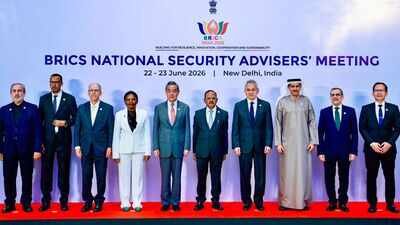
New Delhi: PM Narendra Modi met NSAs and senior security officials from BRICS nations on Tuesday, highlighting the group’s enhanced role in tackling today’s global security challenges.During the interaction, PM Modi said BRICS is a key platform for strengthening security cooperation at a time of rapid global change. He called on member nations — Brazil, China, Egypt, Ethiopia, India, Indonesia, Iran, Russia, Saudi Arabia, South Africa and the UAE — to boost collaboration and tackle shared vulnerabilities. In a post on X, the PM reiterated India’s commitment to its chairmanship agenda, which focuses on “Building for Resilience, Innovation, Cooperation and Sustainability”.“In a changing global landscape, BRICS has a vital role in deepening security cooperation and addressing shared challenges, from terrorism and cybersecurity to emerging technologies. India’s chairmanship will seek to advance practical cooperation, support the priorities of the Global South and contribute to a safer, more secure and inclusive world,” Modi posted.In his televised opening remarks at BRICS NSAs’ meeting, NSA Ajit Doval, speaking about the impact of “geopolitical uncertainties and economic strains”, underlined the need for the grouping to play a more significant role in addressing the challenges. Hailing BRICS as a “very special coalition”, Doval expressed elation over its growth.He welcomed the US-Iran MoU on ending hostilities in West Asia, saying it will stabilise global energy security. “The opening of the Strait of Hormuz is a very welcome development. It will remove supply chain bottlenecks and (address) shortages in sectors like fertilisers and chemicals,” he said.“We are meeting at a very tumultuous time. The world is facing geopolitical uncertainties, economic strains, and disruptive technology. Not only are the threats compounding, but the instruments and institutional mechanisms are increasingly finding themselves inadequate to resolve or mitigate these conflicts,” Doval said, adding “multilateralism is on the decline.” Against a backdrop of “increasing geopolitical uncertainty”, the talks focused on non-traditional threats like terrorism, cybersecurity and risks from emerging technologies.


