
NEW DELHI: India is facing a growing obesity burden, with one in four Indians overweight, yet the condition continues to be misunderstood as a lifestyle issue rather than a disease, experts said at a recent panel discussion following World Obesity Day, led by ICMR and AIIMS.Experts said that despite rising awareness, most people do not seek treatment, and even those who attempt weight loss struggle to sustain it. “We lack effective long-term interventions, and behaviour change remains difficult,” said Dr Rajiv Bahl, Secretary, Department of Health Research and Director General, ICMR, pointing to wider societal and environmental barriers.He noted that unhealthy foods are often cheaper and more accessible, while healthier options remain harder to adopt.Israel Iran WarUS-Israel-Iran War News Live Updates: Amazon Web Services ‘disrupted’ following drone attack in Bahrain; Saudi, UAE mull joining Iran war’They are talking sense’: Trump says Iran ‘agreed to not have nuclear weapon”They cannot have a nuclear weapon’: US pushes 15-point plan to end Iran war, sent via PakistanThe panel brought together Dr Bahl; Dr Anoop Misra, Director, National Diabetes, Obesity and Cholesterol Foundation; Dr Naval Vikram, Professor, Department of Medicine, AIIMS; and Dr Vandana Jain, Professor, Pediatric Endocrinology, AIIMS.Dr Kamini Walia, Scientist and Head, Descriptive Research Division, ICMR, said obesity should be understood as a multifactorial disease driven by genetic, metabolic, environmental and social factors, and not reduced to individual blame.Clinicians said the problem is rooted in everyday life. Dr Naval Vikram said obesity is a chronic disease requiring long-term management, influenced by diet, physical activity, psychological and environmental factors.The panel underlined that obesity often begins early. Dr Vandana Jain said childhood habits, family food choices and activity patterns play a key role, stressing the need for healthier home environments.Dr Anoop Misra pointed out that Indians develop metabolic complications at lower body weight levels, making early identification critical. He added that newer anti-obesity drugs are not a population-level solution and must be used selectively along with lifestyle changes.Experts also flagged gaps in policy and implementation, saying improving access to healthy food and creating spaces for physical activity remain key challenges.They also highlighted emerging research areas, including gut microbiome, early-life nutrition and maternal health, which may shape obesity risk from early stages of life.A key concern remains stigma, which discourages people from seeking care. Experts said recognising obesity as a disease could shift focus towards long-term management and prevention.About the AuthorAnuja JaiswalAnuja Jaiswal is a Senior Assistant Editor at The Times of India, with an impressive 18-year career in narrative journalism. She specializes in health and heritage reporting, expertly simplifying complex health information to make it engaging and understandable for readers. Her deep dives into heritage topics are well-researched, resulting in captivating narratives that resonate with her audience. Over the years, she has worked in Chandigarh, Chhattisgarh and West UP, gaining diverse on-ground experience that shapes her storytelling.Read MoreEnd of ArticleFollow Us On Social MediaVideosAfter Dhurandhar 2 Release, Former IG Reveals Atiq Ahmed’s Pak Connection, Fake Currency Racket LinksIndia Built A Naval Network But Missed The Red Sea’s Key ChokepointLPG Ships Pine Gas And Jag Vasant Safely Cross Hormuz, Crew Hails Indian NavyIran Threats Undermine 10 Million Indian Lives, Israel’s ‘Great Plans With India’: Envoy AzarVessels ‘Going Dark’ In EEZ: Navy Chief Tripathi On ‘Emerging Flash Points’ In Indo-PacificAre Trump’s Iran Announcements Driven By Market Manipulation?; Trump Calls Modi To Discuss Iran WarIAF’s Biggest Aircraft Deal Progress To Replace Aging Fleet , C-130J, C-390 And A400M In RaceUS President Trump Dials PM Modi Amid West Asia Conflict, Discusses Strait Of HormuzIndia’s Rafale Marine Deal May Move Faster Than Planned With Trainer Arrival: Reports’India Indispensable To Asia’: Donald Trump’s War Envoy Colby Signals US Shift Amid West Asia Crisis123PhotostoriesStrangest discoveries in the world — and where to go see them6 luxury electric cars that are redefining the future of drivingRam Navami 2026: What is Panakam, how to make it and why is it called Lord Rama’s favourite drink5 foods to add to your diet to glow from withinGautam Adani’s Ahmedabad home reflects understated luxury livingKidney health: Gurugram-based doctor shares 5 daily habits that quietly damage your kidneysSadhguru’s wisdom: 7 rules of discipline for students10 house names inspired by ancient Indian cities and their meaningsHow to grow sacred marigold flowers in your home gardenInside the love lives of ‘The Brady Bunch’ cast: From on-screen family to real-life romances123Hot PicksTrain ticket refund ruleFortnite layoffsSonia GandhiGold rate todayIncome Tax CalculatorPublic holidays March 2026Bank Holidays MarchTop TrendingLuka DoncicTom BradyRCB soldRSK MP Board 8th ResultIRCTC ticket bookingFrances TiafoeHarish RanaTrump Modi callToronto airport heistBihar Board Science Topper

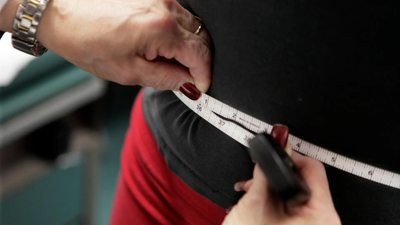
NEW DELHI: India is facing a growing obesity burden, with one in four Indians overweight, yet the condition continues to be misunderstood as a lifestyle issue rather than a disease, experts said at a recent panel discussion following World Obesity Day, led by ICMR and AIIMS.Experts said that despite rising awareness, most people do not seek treatment, and even those who attempt weight loss struggle to sustain it. “We lack effective long-term interventions, and behaviour change remains difficult,” said Dr Rajiv Bahl, Secretary, Department of Health Research and Director General, ICMR, pointing to wider societal and environmental barriers.He noted that unhealthy foods are often cheaper and more accessible, while healthier options remain harder to adopt.The panel brought together Dr Bahl; Dr Anoop Misra, Director, National Diabetes, Obesity and Cholesterol Foundation; Dr Naval Vikram, Professor, Department of Medicine, AIIMS; and Dr Vandana Jain, Professor, Pediatric Endocrinology, AIIMS.Dr Kamini Walia, Scientist and Head, Descriptive Research Division, ICMR, said obesity should be understood as a multifactorial disease driven by genetic, metabolic, environmental and social factors, and not reduced to individual blame.Clinicians said the problem is rooted in everyday life. Dr Naval Vikram said obesity is a chronic disease requiring long-term management, influenced by diet, physical activity, psychological and environmental factors.The panel underlined that obesity often begins early. Dr Vandana Jain said childhood habits, family food choices and activity patterns play a key role, stressing the need for healthier home environments.Dr Anoop Misra pointed out that Indians develop metabolic complications at lower body weight levels, making early identification critical. He added that newer anti-obesity drugs are not a population-level solution and must be used selectively along with lifestyle changes.Experts also flagged gaps in policy and implementation, saying improving access to healthy food and creating spaces for physical activity remain key challenges.They also highlighted emerging research areas, including gut microbiome, early-life nutrition and maternal health, which may shape obesity risk from early stages of life.A key concern remains stigma, which discourages people from seeking care. Experts said recognising obesity as a disease could shift focus towards long-term management and prevention.


