
. NEW DELHI: In a move to shed yet another colonial relic, railway minister Ashwini Vaishnaw on Friday announced discontinuing the railway uniforms introduced by the British Raj — black prince coats (bandhgala coats) — saying that “we have to find every trace of colonialism and banish them”.TOI has learnt that govt is carrying out a larger exercise across the board to identify similar colonial hangovers — attire and ceremonial rites — such as convocation gowns and caps (robe and mortarboard) which are de rigueur at university conovations and bandhgalas officers have to mandatorily wear at formal receptions. In some states personnel attached to district collectors and mayors in some states are required to wear a certain pattern of dress.Speaking at an event to honour railway officials and the zone for their exemplary works, Vaishnaw said, “We have to get rid of all colonial mindset. We need to find each of them and remove them whether it’s in our working style or dressing style. Today (Friday) I am making the first announcement. Humare jo band gale ka kala suit angrezon chalu kiya tha, aaj se yeh railway mein formal dress nehin rahegi. (From today onwards, the black prince coats that the British introduced will no longer be a part of formal dress in railways).”Officials said that PM Narendra Modi has asked ministers and top bureaucrats to identify the colonial practices and to suggest alternatives that are of Indian origins and reflect the country’s culture.While the practice of convocation gowns and caps has been fading, some institutions have held on to it despite the ceremonial gear not being suited for India’s hot and humid conditions and despite protests from students and faculty. Officials said that more practices, which are not commonly known to many, may be identified during consultations.Sources did not rule out the possibility of a nudge to do away with black coats and gowns that lawyers are required to wear as per Advocates Act, 1961 continuing a tradition inherited from the British legal system where it symbolised authority, dignity, and a commitment to justice. This law formalised the British-era custom, requiring advocates to wear the black robe with a white neckband for uniformity and gravity in court.End of ArticleFollow Us On Social MediaVideosCEPA A Win-Win For India And Chile, Key Focus On Market Access And Minerals: Chile EnvoyMamata Banerjee Hits Streets, Leads Kolkata Rally Against ED RaidsAfter Meeting PM Modi, AI Innovators Share Insights That Could Change The GameAmit Shah Outlines Foolproof NIDMS Mechanism To Counter Future Terror AttacksIndia No Longer Imports Arms, UP Leads Defence Manufacturing: Rajnath Singh’Not Accurate’: India Hits Back After Trump Aide Blames PM Modi For Delayed Trade DealMEA Calls For Firm Action As India Flags Disturbing Pattern Of Attacks On Minorities In BangladeshPM Modi To Host German Chancellor Merz In Gujarat As India-Germany Ties Enter Strategic Phase’PM Modi-Trump Held 8 Calls In 2025′: India Rejects Lutnick’s Claim On Stalled Trade AgreementThe Day CBI Arrested Indira Gandhi And Sonia’s Pasta Maker That May Have Saved The Day For Cong123PhotostoriesBirthday special: Hrithik Roshan’s social media moments with Saba Azad and familyBirthday Special: Hrithik Roshan’s movies to watch on OTTTaarak Mehta Ka Ooltah Chashmah: From calling Dilip Joshi the ‘pillar of the show’ to reacting to Disha Vakani aka Dayaben’s return, Sharad Sankla aka Abdul gets candid7 moon-kissed baby names for your little princessCurry-smelling kangaroos to banana bees: 6 animals that surprisingly smell like foodWhat teachers wish parents understood‘Hum Paanch’, ‘Dekh Bhai Dekh’, ‘Yes Boss’: Top TV comedy shows from the 90What students learn in school beyond the syllabusFrom ‘Highway’ to ‘Chhichhore’: 5 times mainstream films embraced unconventional charactersSadhguru’s Drumstick Soup is a winter must-have; recipe inside123Hot PicksTrump Mexico NewsTrump Denmark NewsGold rate todayBengaluru newsCigarette price hikePublic holidays January 2026Bank Holidays JanuaryTop TrendingCandace OwensTommy Fleetwood and Clare Fleetwood Net WorthTravis KelceICE Shooting VictimSarfaraz KhanRic Flair Net Worth in 2025Patrick Mahomes InjuryUnion BudgetWPL Live ScoreStefon Diggs
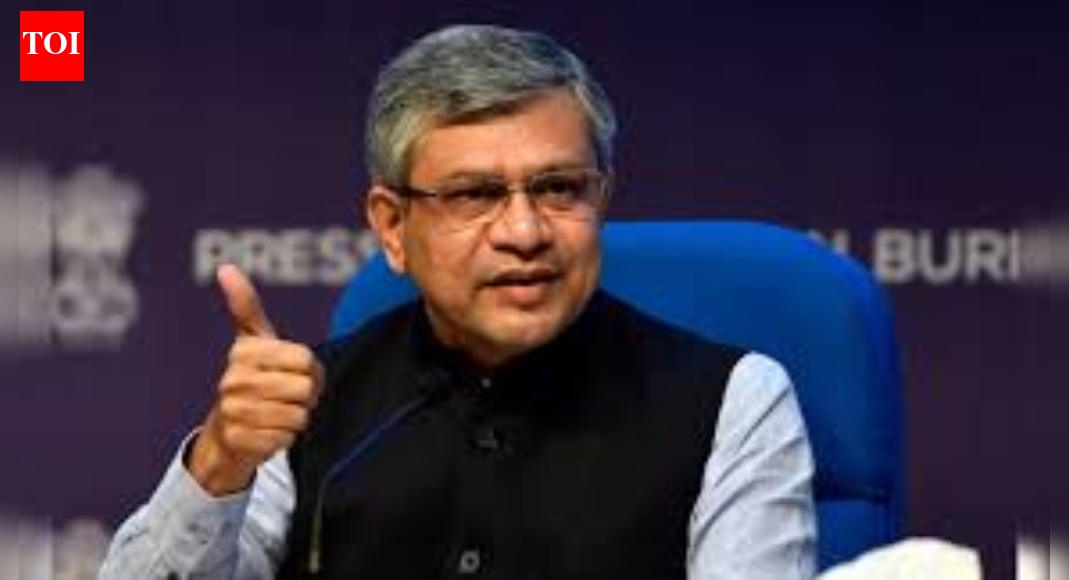
NEW DELHI: In a move to shed yet another colonial relic, railway minister Ashwini Vaishnaw on Friday announced discontinuing the railway uniforms introduced by the British Raj — black prince coats (bandhgala coats) — saying that “we have to find every trace of colonialism and banish them”.TOI has learnt that govt is carrying out a larger exercise across the board to identify similar colonial hangovers — attire and ceremonial rites — such as convocation gowns and caps (robe and mortarboard) which are de rigueur at university conovations and bandhgalas officers have to mandatorily wear at formal receptions. In some states personnel attached to district collectors and mayors in some states are required to wear a certain pattern of dress.Speaking at an event to honour railway officials and the zone for their exemplary works, Vaishnaw said, “We have to get rid of all colonial mindset. We need to find each of them and remove them whether it’s in our working style or dressing style. Today (Friday) I am making the first announcement. Humare jo band gale ka kala suit angrezon chalu kiya tha, aaj se yeh railway mein formal dress nehin rahegi. (From today onwards, the black prince coats that the British introduced will no longer be a part of formal dress in railways).”Officials said that PM Narendra Modi has asked ministers and top bureaucrats to identify the colonial practices and to suggest alternatives that are of Indian origins and reflect the country’s culture.While the practice of convocation gowns and caps has been fading, some institutions have held on to it despite the ceremonial gear not being suited for India’s hot and humid conditions and despite protests from students and faculty. Officials said that more practices, which are not commonly known to many, may be identified during consultations.Sources did not rule out the possibility of a nudge to do away with black coats and gowns that lawyers are required to wear as per Advocates Act, 1961 continuing a tradition inherited from the British legal system where it symbolised authority, dignity, and a commitment to justice. This law formalised the British-era custom, requiring advocates to wear the black robe with a white neckband for uniformity and gravity in court.


